

Organization
The PFL is built around an idea that separates it from almost every other mixed martial arts promotion: instead of matchmaking one fight at a time, it runs a season.
Fighters compete in a regular season, accumulate points, and the standings decide who advances to a knockout stage that ends in a final. The structure is borrowed from team sport rather than from boxing, and it answers a complaint that has followed mixed martial arts since the beginning — that who fights whom, and who gets a title shot, is a matter of judgement rather than of results.
The points reward finishing. A fighter who wins early scores more than a fighter who wins on the cards, which changes how bouts are approached: taking a decision may be enough to win the night and not enough to survive the season. Watching a season-format fight with that in mind explains decisions that would look reckless under normal matchmaking.
The format has a visible consequence on the pages below. A fighter in a season can face several opponents inside a single calendar year, which is a faster cadence than most promotions ask for, and their record fills up accordingly. Reading dates matters here more than usual: a run of bouts a few months apart is the format working as designed, not a fighter being rushed.
Bouts follow the Unified Rules of MMA, contested over three five-minute rounds with five for finals and championship fights, in the standard weight classes from the same rulebook.
The season structure also changes who a promotion signs. A league needs a full field at every weight it runs, at the same time, which favours fighters who can be relied on to make weight and to show up on a schedule rather than specialists brought in for one matchup. The rosters below tend to reflect that.
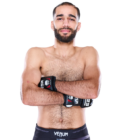
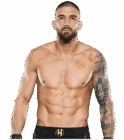
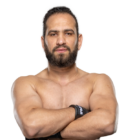
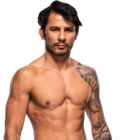
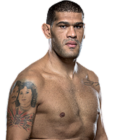
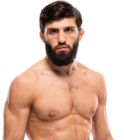
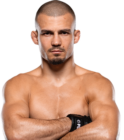
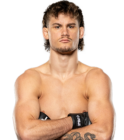
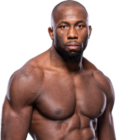
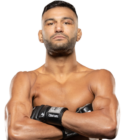
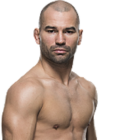
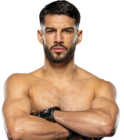
The pages below list every fighter in this catalogue whose most recent bout was in the PFL, with their weight class, their record and how each of their last five fights ended.
Every event page lists the full bout order, the fighters and their records, and every result once the night is over.
How this roster is spread across the weight classes. Follow a division to see its fighters from every country and every promotion.
The gyms that train more than one fighter on this page. Each one has its own hub, with the full roster it has produced.
The nationalities on this page. Each country has its own hub, with the fighters it has produced across all promotions.
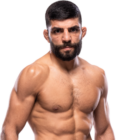
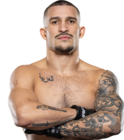
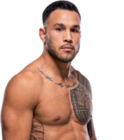
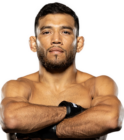
1–50 of 388 fighters
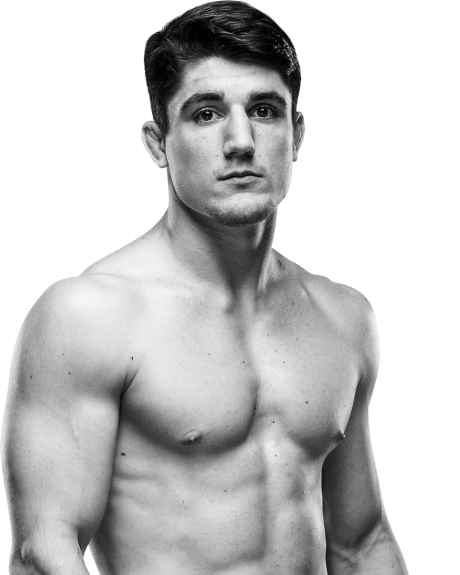 Aaron Jeffery
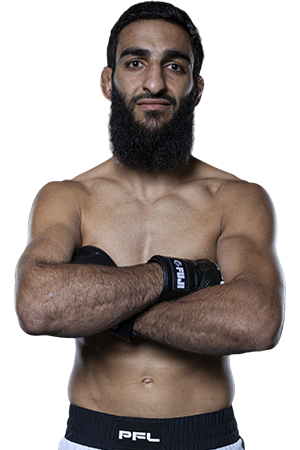 Abdelrahman Alhyasat
« COBRA »
Abdelrahman Alhyasat
« COBRA »
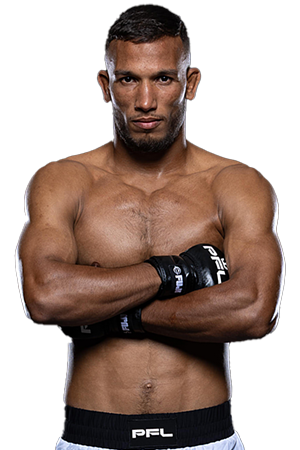 Abderrahman Errachidy
« Mugiwara »
Abderrahman Errachidy
« Mugiwara »
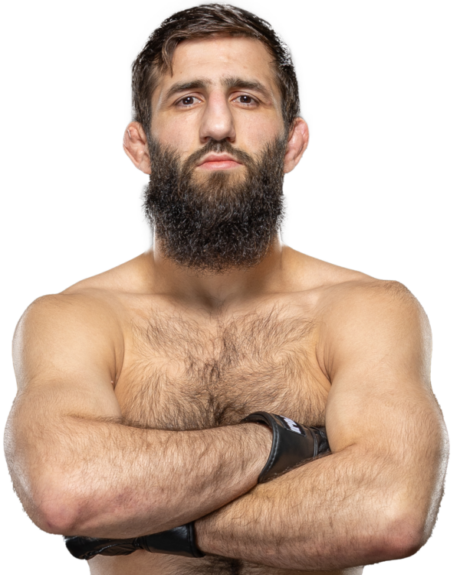 Abdoul Abdouraguimov
« LAZY KING »
Abdoul Abdouraguimov
« LAZY KING »
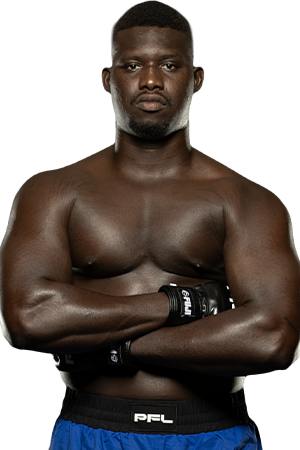 Abdoulaye Kane
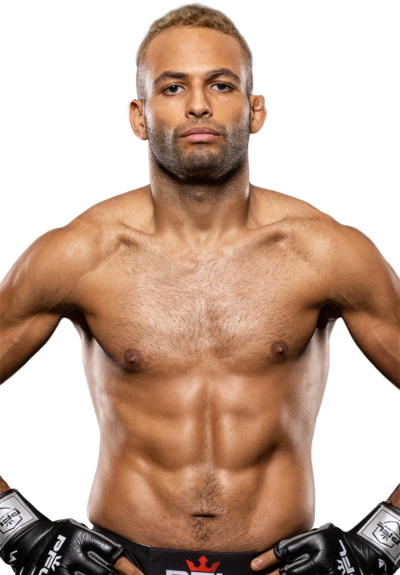 Abdullah Al-Qahtani
« THE REAPER »
Abdullah Al-Qahtani
« THE REAPER »
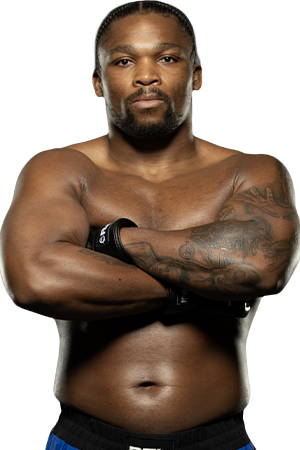 Abraham Bably
« THE ONE AND ONLY »
Abraham Bably
« THE ONE AND ONLY »
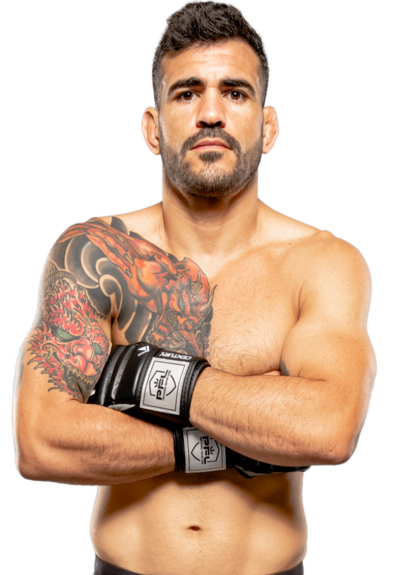 Acoidan Duque
« EL PEI »
Acoidan Duque
« EL PEI »
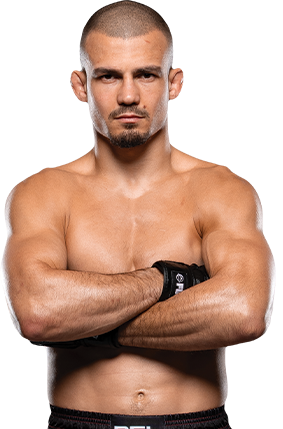 Adam Borics
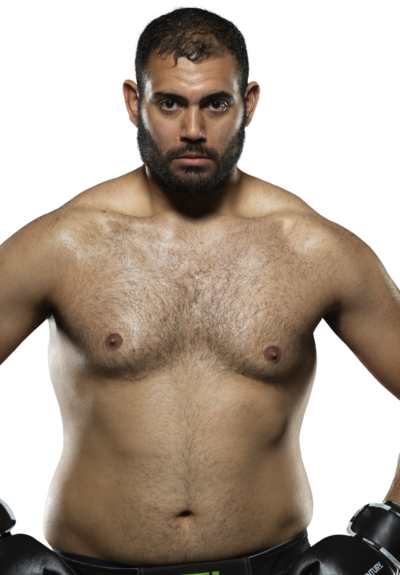 Adam Keresh
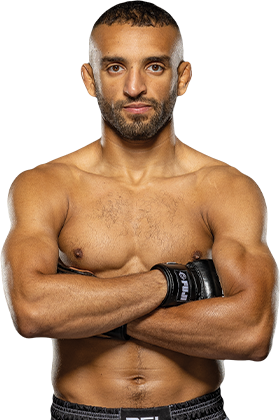 Adam Meskini
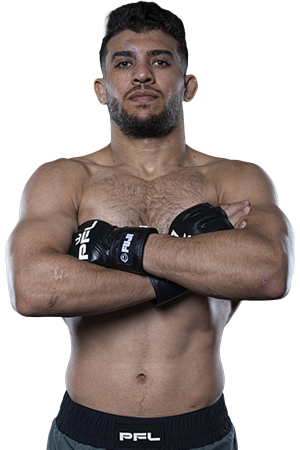 Ahmed Abdelbast
« The Egyptian Eagle »
Ahmed Abdelbast
« The Egyptian Eagle »
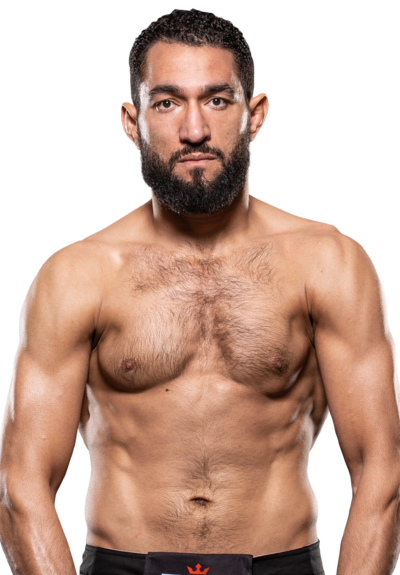 Ahmed Amir
« The Butcher »
Ahmed Amir
« The Butcher »
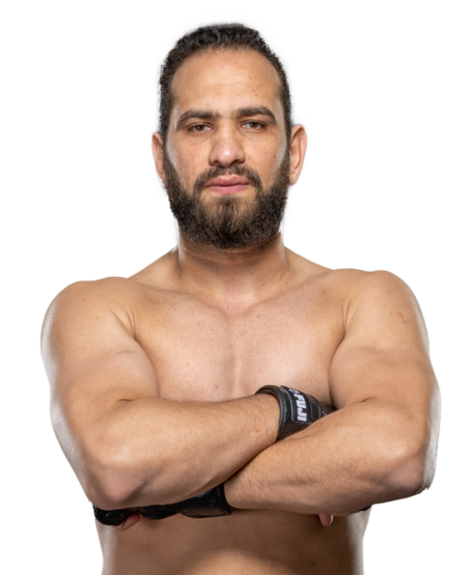 Ahmed Sami
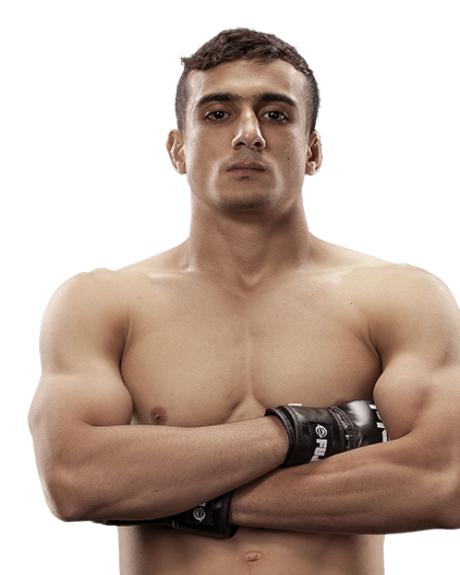 Ahmed Tarek
« THE MENTAL ROCK »
Ahmed Tarek
« THE MENTAL ROCK »
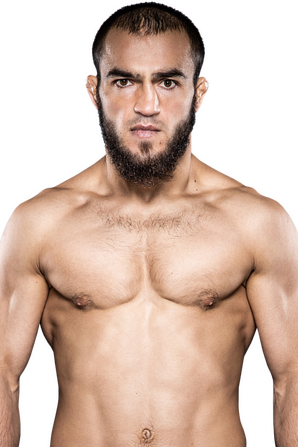 Akhmed Magomedov
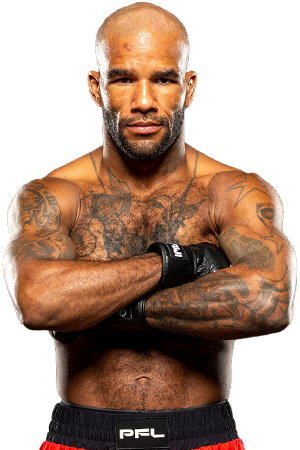 Alain Majorique
« African Assassin »
Alain Majorique
« African Assassin »
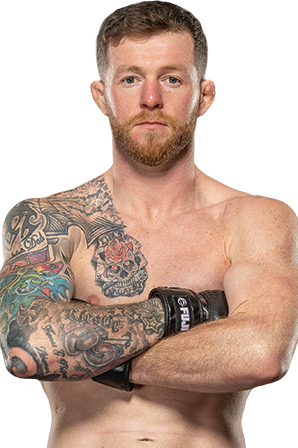 Alan Philpott
« Super Ali »
Alan Philpott
« Super Ali »
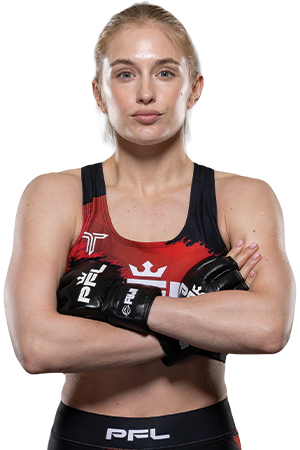 Aleksandra Savicheva
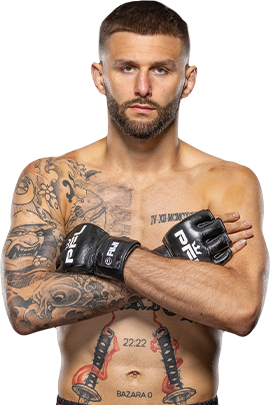 Alex Chizov
« PRETTY BOY »
Alex Chizov
« PRETTY BOY »
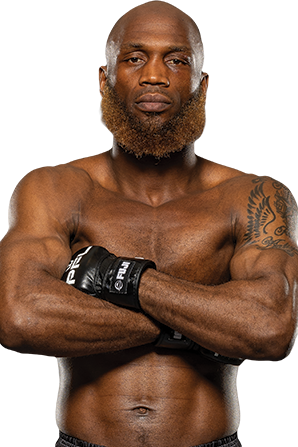 Alex Lohoré
« Da Killa King »
Alex Lohoré
« Da Killa King »
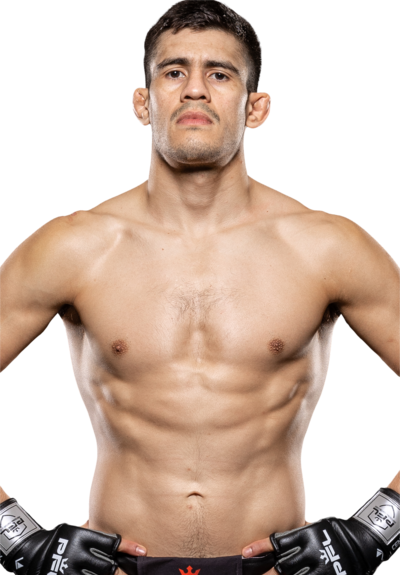 Alexander Martinez
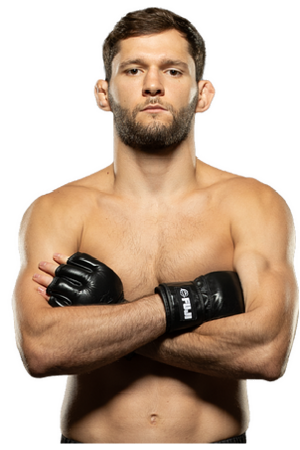 Alexander Shabliy
« PERESVET »
Alexander Shabliy
« PERESVET »
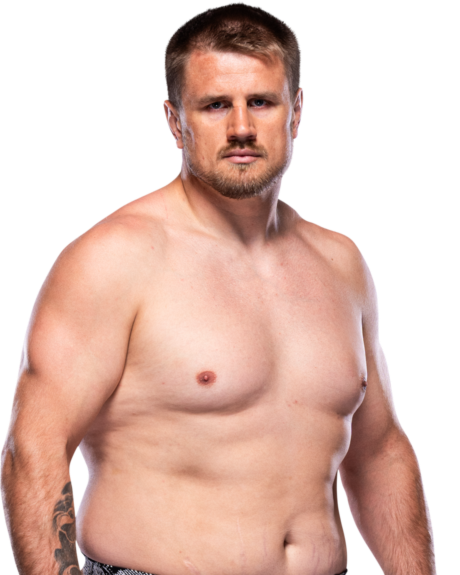 Alexandr Romanov
« King Kong »
Alexandr Romanov
« King Kong »
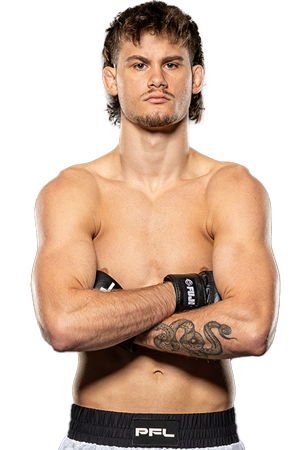 Alexei Pergande
« RUSSIAN DNA »
Alexei Pergande
« RUSSIAN DNA »
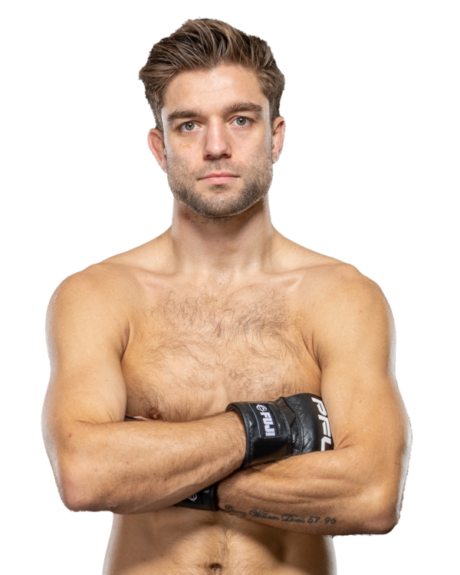 Alfie Davis
« THE AXE MAN »
Alfie Davis
« THE AXE MAN »
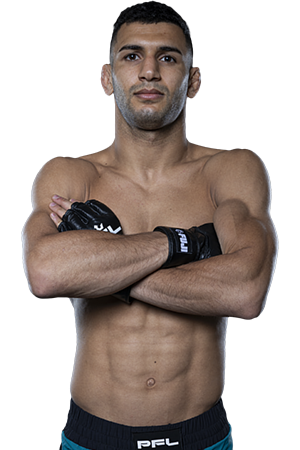 Ali Yazbeck
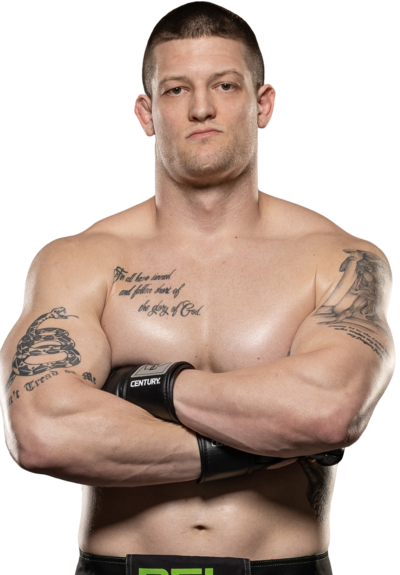 Alton Meeks
« MURDA »
Alton Meeks
« MURDA »
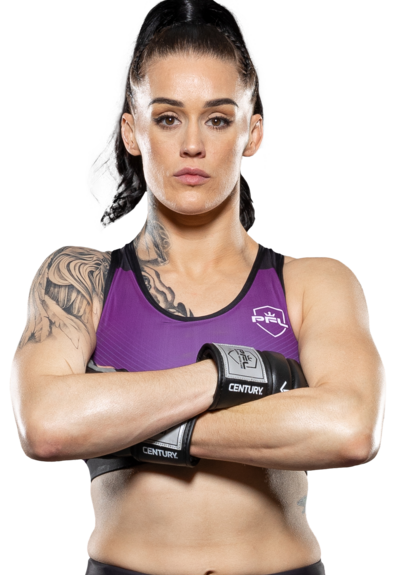 Amber Leibrock
« Touch Em Up »
Amber Leibrock
« Touch Em Up »
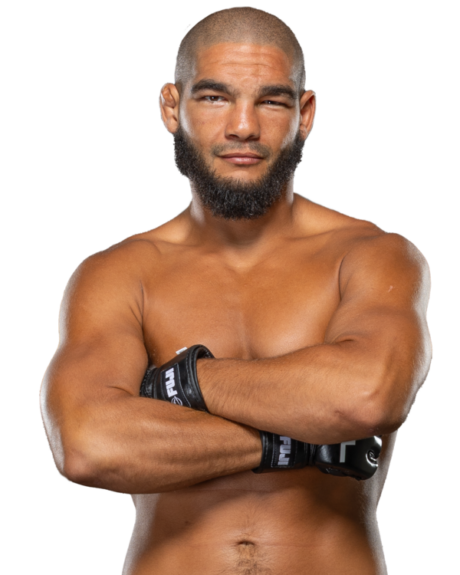 Amin Ayoub
« Fierceness »
Amin Ayoub
« Fierceness »
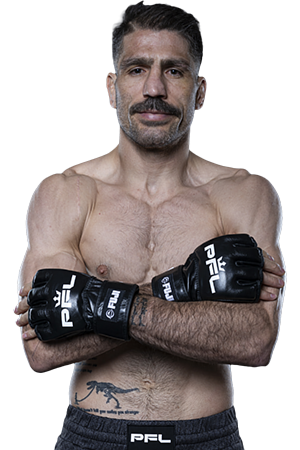 Amir Fazli
« THE PRINCE »
Amir Fazli
« THE PRINCE »
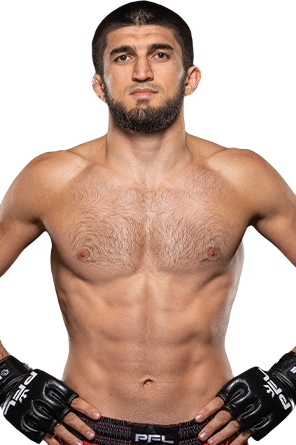 Amru Magomedov
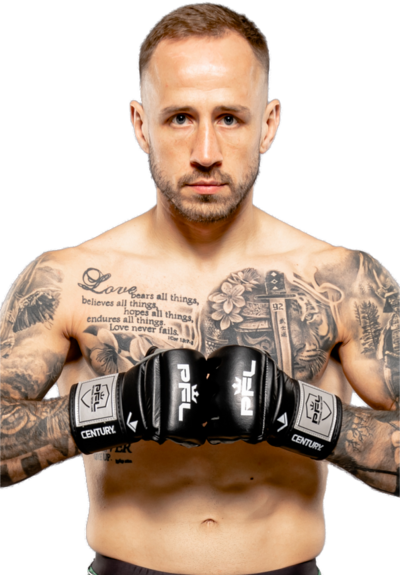 Anatolij Baal
« SIBERIAN TIGER »
Anatolij Baal
« SIBERIAN TIGER »
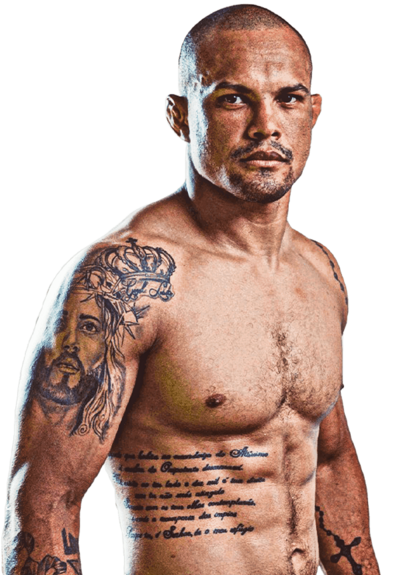 Andre Lobato
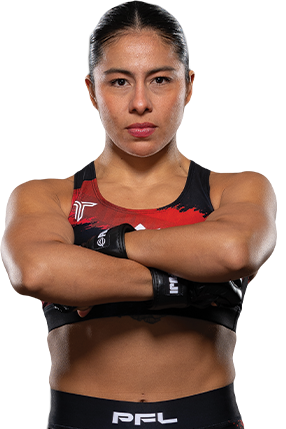 Andrea Vazquez
« Monstruo »
Andrea Vazquez
« Monstruo »
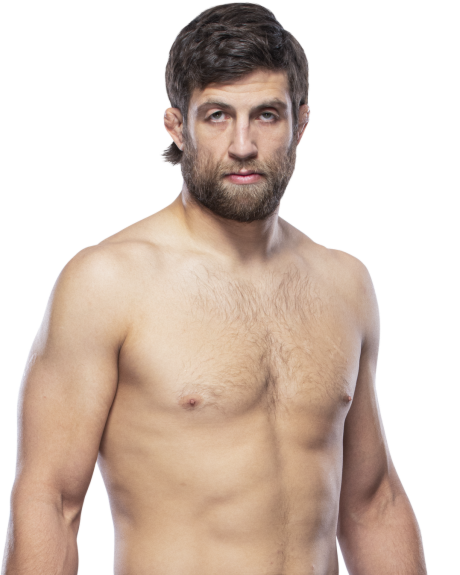 Andrew Sanchez
« El Dirte »
Andrew Sanchez
« El Dirte »
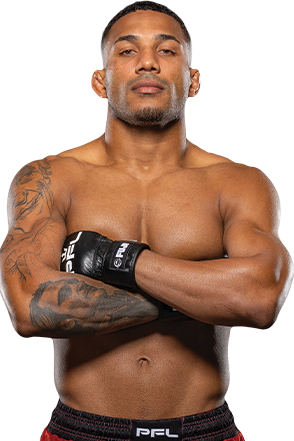 Angel Alvarez
« Salsa King »
Angel Alvarez
« Salsa King »
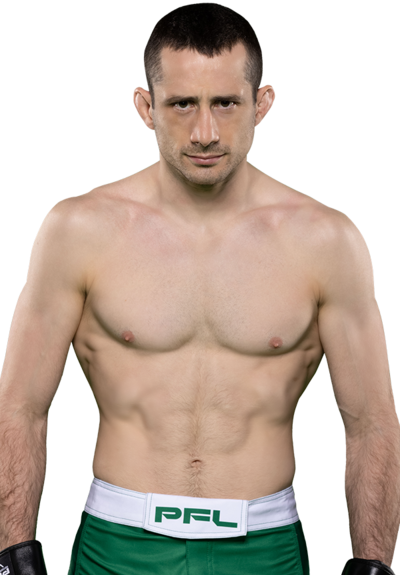 Anthony Dizy
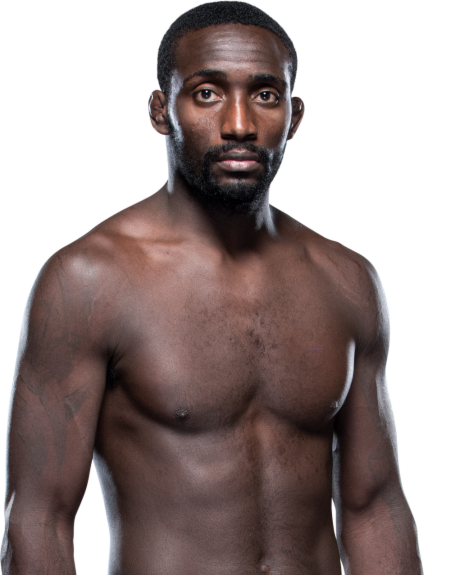 Anthony Ivy
« Aquaman »
Anthony Ivy
« Aquaman »
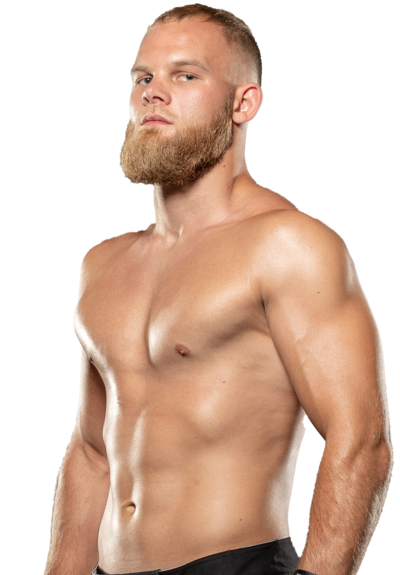 Anthony Salamone ✓
« OURS BLANC »
Anthony Salamone ✓
« OURS BLANC »
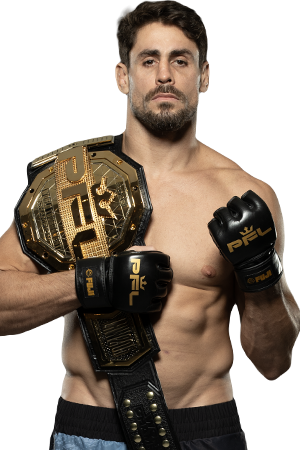 Antonio Carlos Jr.
« CARA DE SAPATO »
Antonio Carlos Jr.
« CARA DE SAPATO »
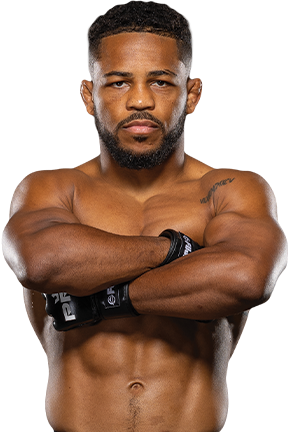 Archie Colgan
« KING »
Archie Colgan
« KING »
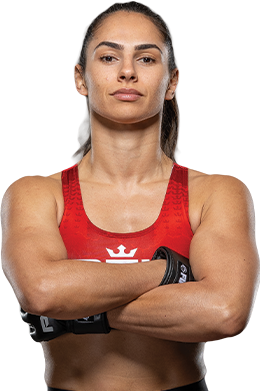 Ariane Lipski da Silva
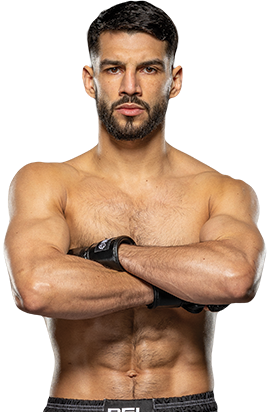 Asaël Adjoudj
« THE SULTAN »
Asaël Adjoudj
« THE SULTAN »
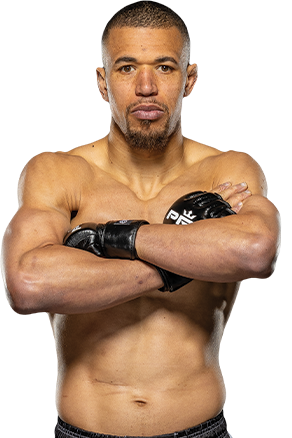 Ashley Reece
« The Beast »
Ashley Reece
« The Beast »
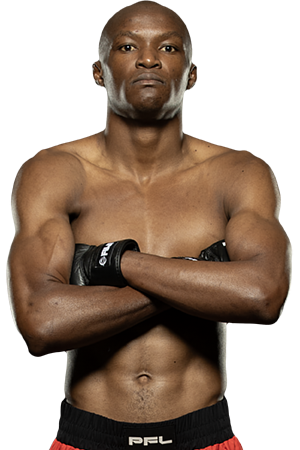 Asiashu Tshitamba
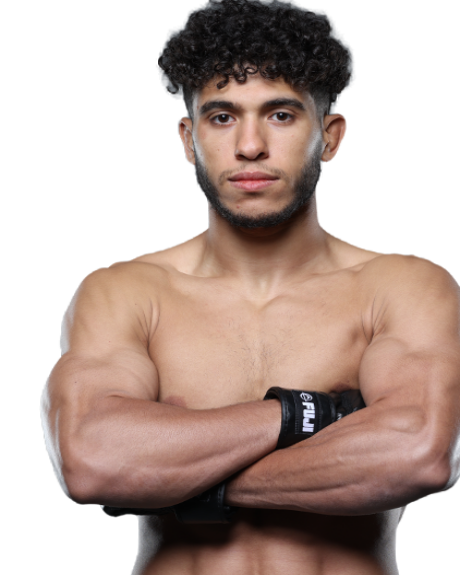 Assem Ghanem
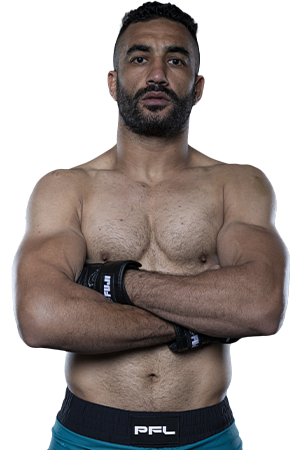 Ayman Galal
« THE MAYSTRO »
Ayman Galal
« THE MAYSTRO »
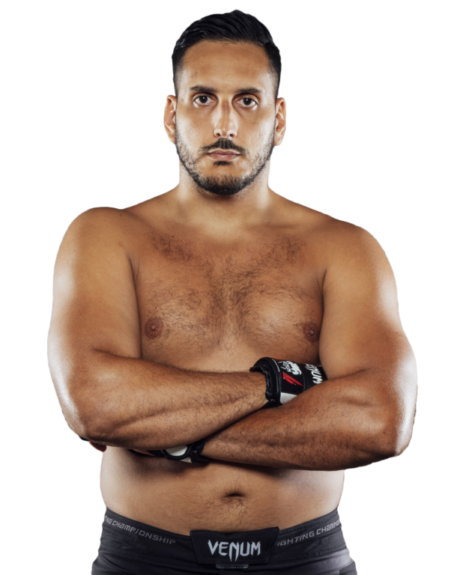 Badr Medkouri
« dastan »
Badr Medkouri
« dastan »
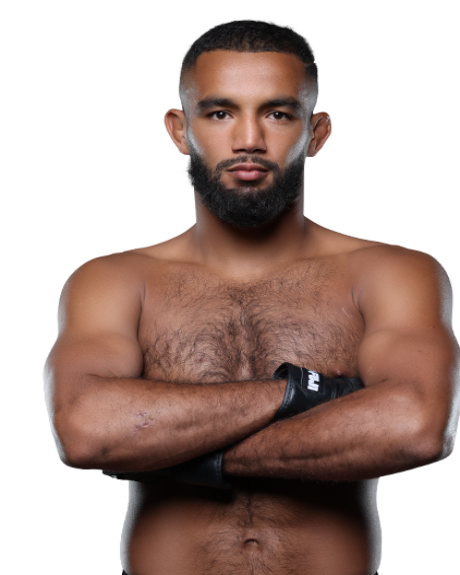 Badreddine Diani
« DREAMCHASER »
Badreddine Diani
« DREAMCHASER »
Organisation names and marks belong to their respective owners. Fight Hub is not affiliated with any of them.