

Organization
The PFL is built around an idea that separates it from almost every other mixed martial arts promotion: instead of matchmaking one fight at a time, it runs a season.
Fighters compete in a regular season, accumulate points, and the standings decide who advances to a knockout stage that ends in a final. The structure is borrowed from team sport rather than from boxing, and it answers a complaint that has followed mixed martial arts since the beginning — that who fights whom, and who gets a title shot, is a matter of judgement rather than of results.
The points reward finishing. A fighter who wins early scores more than a fighter who wins on the cards, which changes how bouts are approached: taking a decision may be enough to win the night and not enough to survive the season. Watching a season-format fight with that in mind explains decisions that would look reckless under normal matchmaking.
The format has a visible consequence on the pages below. A fighter in a season can face several opponents inside a single calendar year, which is a faster cadence than most promotions ask for, and their record fills up accordingly. Reading dates matters here more than usual: a run of bouts a few months apart is the format working as designed, not a fighter being rushed.
Bouts follow the Unified Rules of MMA, contested over three five-minute rounds with five for finals and championship fights, in the standard weight classes from the same rulebook.
The season structure also changes who a promotion signs. A league needs a full field at every weight it runs, at the same time, which favours fighters who can be relied on to make weight and to show up on a schedule rather than specialists brought in for one matchup. The rosters below tend to reflect that.
The pages below list every fighter in this catalogue whose most recent bout was in the PFL, with their weight class, their record and how each of their last five fights ended.
Every event page lists the full bout order, the fighters and their records, and every result once the night is over.
How this roster is spread across the weight classes. Follow a division to see its fighters from every country and every promotion.
The gyms that train more than one fighter on this page. Each one has its own hub, with the full roster it has produced.
The nationalities on this page. Each country has its own hub, with the fighters it has produced across all promotions.
51–100 of 388 fighters
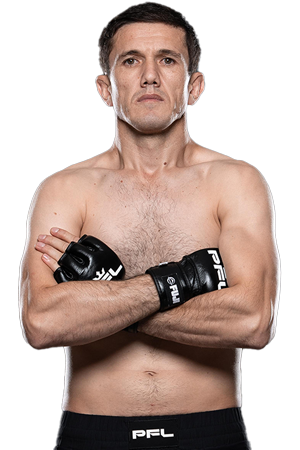 Bakhtiyor Abduloev
« SOLDIER »
Bakhtiyor Abduloev
« SOLDIER »
 Baris Adiguzel
« The Sniper »
Baris Adiguzel
« The Sniper »
 Basel Shalaan
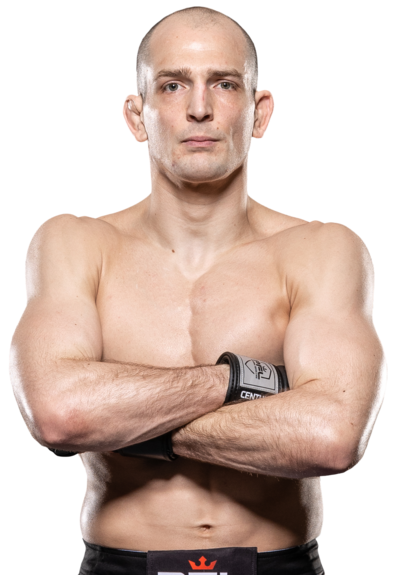 Ben Egli
« Brutal »
Ben Egli
« Brutal »
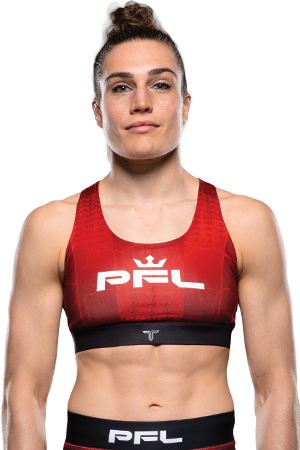 Benita Van Rooji
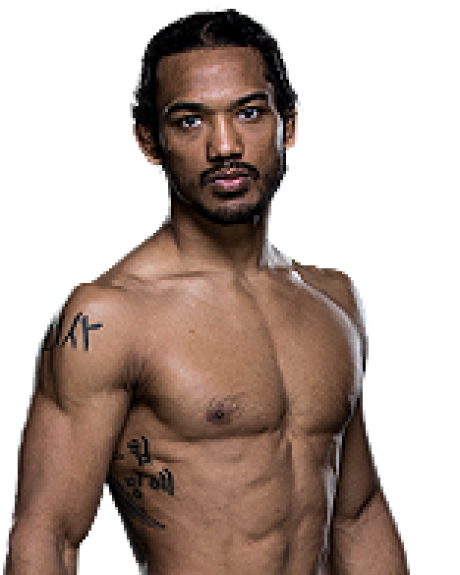 Benson Henderson
« Smooth »
Benson Henderson
« Smooth »
 Biaggio Ali Walsh
 BJ Bland
« QUICKSAND »
BJ Bland
« QUICKSAND »
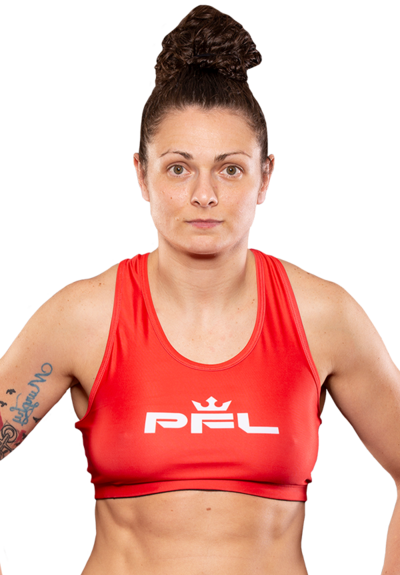 Bobbi Jo Dalziel
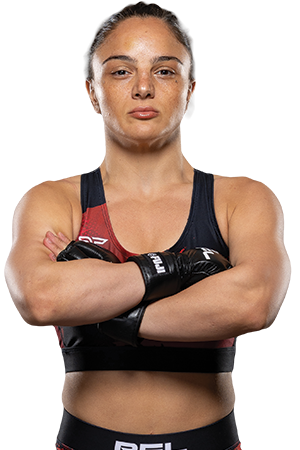 Borena Tsertsvadze
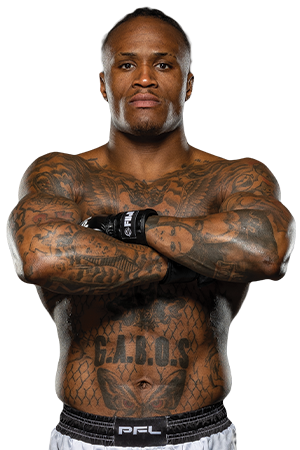 Boris Atangana
« Modern Gladiator »
Boris Atangana
« Modern Gladiator »
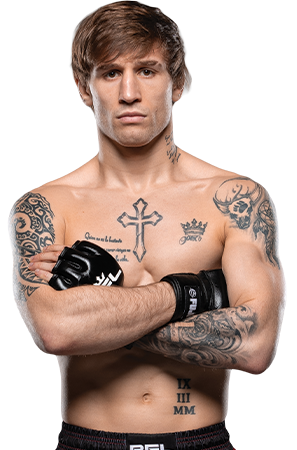 Borja Garcia
« El Aguila »
Borja Garcia
« El Aguila »
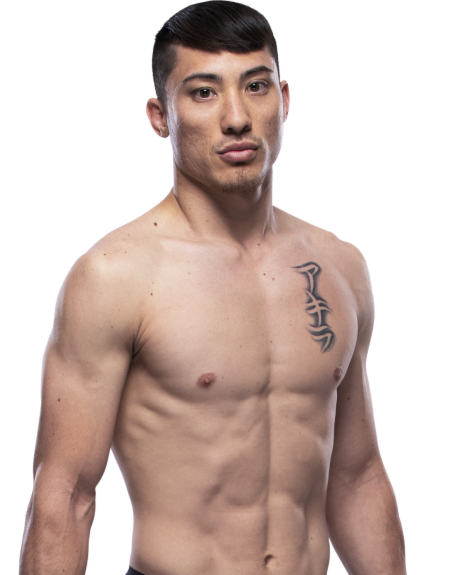 Boston Salmon
« Boom Boom »
Boston Salmon
« Boom Boom »
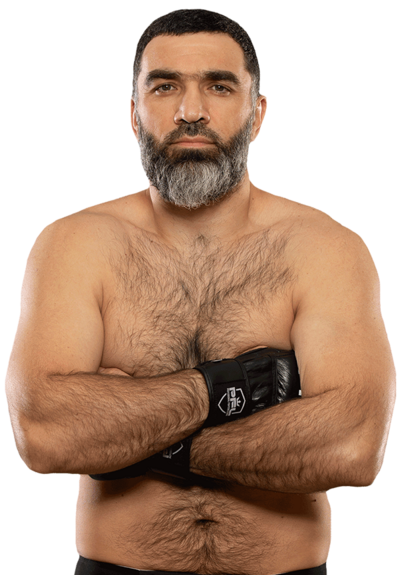 Bozigit Ataev
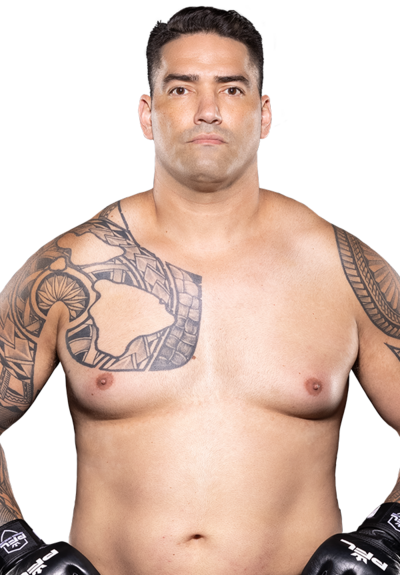 Brandon Sayles
 Braydon Akeo
 Brett Bye
« Seabass »
Brett Bye
« Seabass »
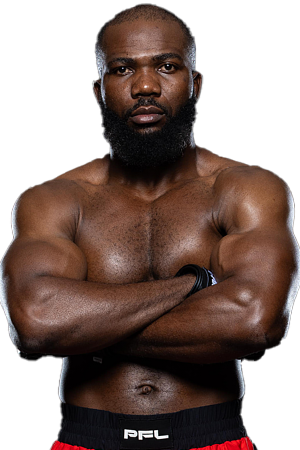 British Boloyoang
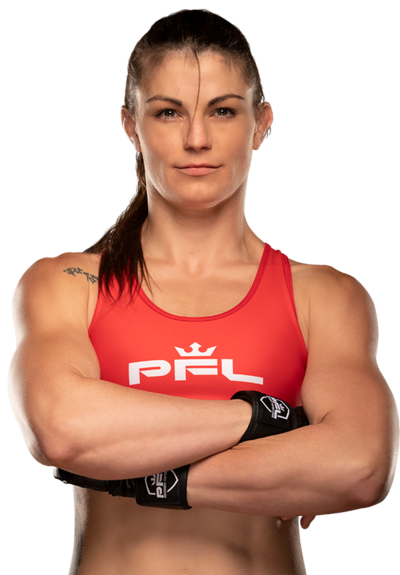 Brittney Elkin
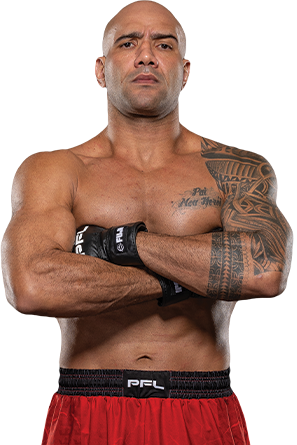 Bruno Cappelozza
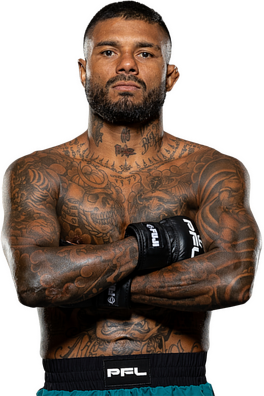 Bruno Miranda
« ROBUSTO »
Bruno Miranda
« ROBUSTO »
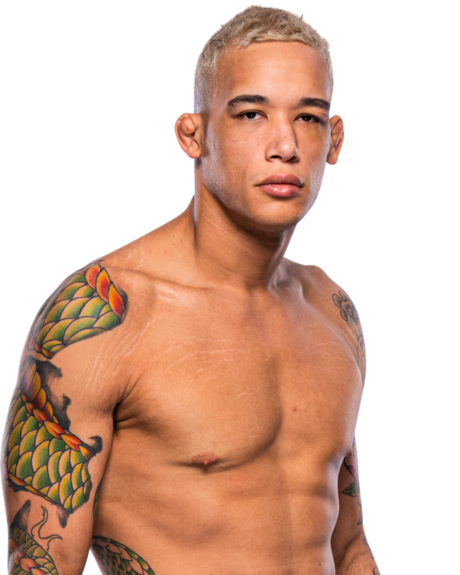 Bryan Battle
« The Butcher »
Bryan Battle
« The Butcher »
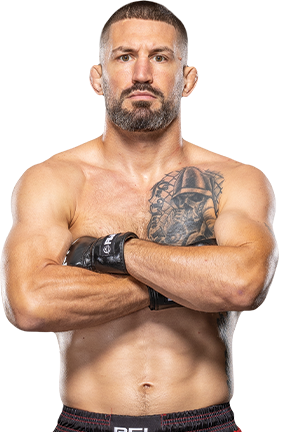 Bryce Logan
 Bryce Meredith
« MISFIT »
Bryce Meredith
« MISFIT »
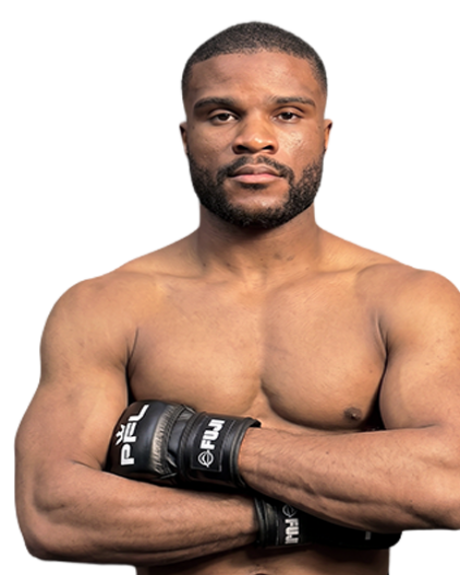 Butti Alameri
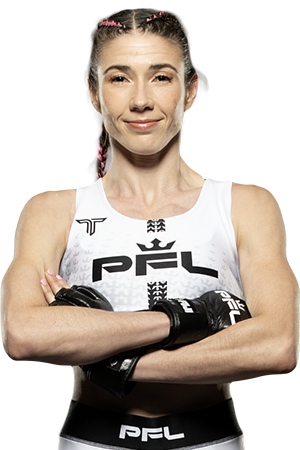 Ceileigh Niedermayr
« Smiley Savage »
Ceileigh Niedermayr
« Smiley Savage »
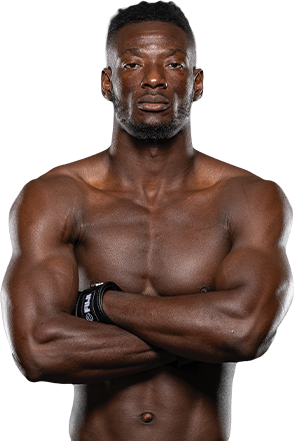 Chamy Delva
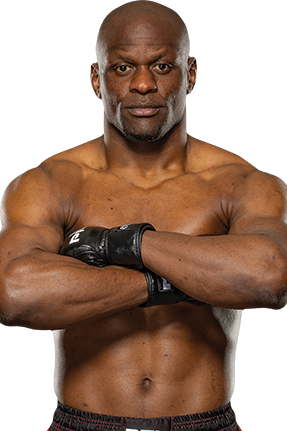 Chequina Noso Pedro
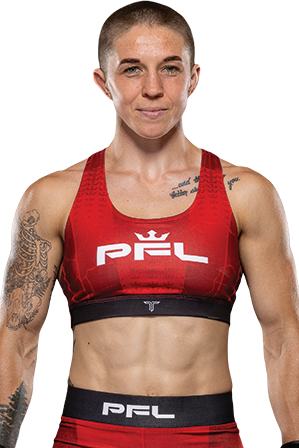 Cheyanne Bowers
« The Boss »
Cheyanne Bowers
« The Boss »
 Cheyden Leialoha
« Steadfast »
Cheyden Leialoha
« Steadfast »
 Chris Mixan
« COSSACK »
Chris Mixan
« COSSACK »
 Ciaran Clarke
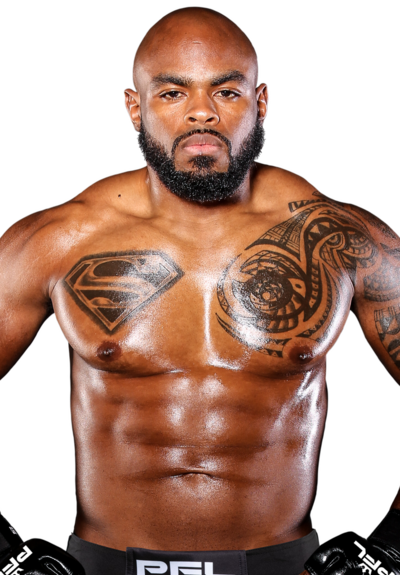 Clinton Williams
« BOMBA »
Clinton Williams
« BOMBA »
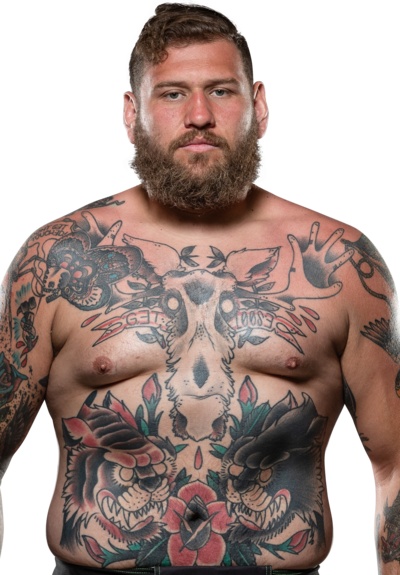 Cody Goodale
« The Moose »
Cody Goodale
« The Moose »
 Cody Law
 Connor Hughes
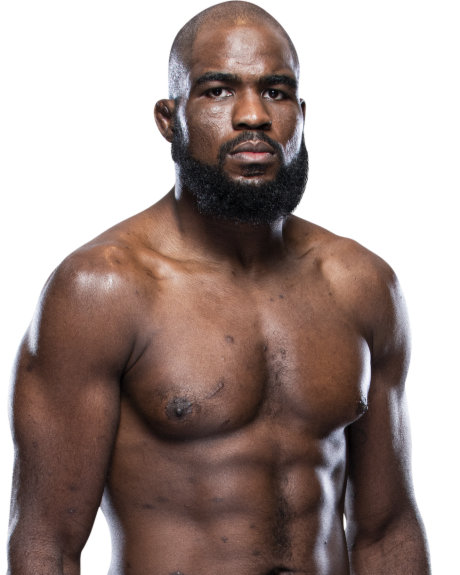 Corey Anderson
« Overtime »
Corey Anderson
« Overtime »
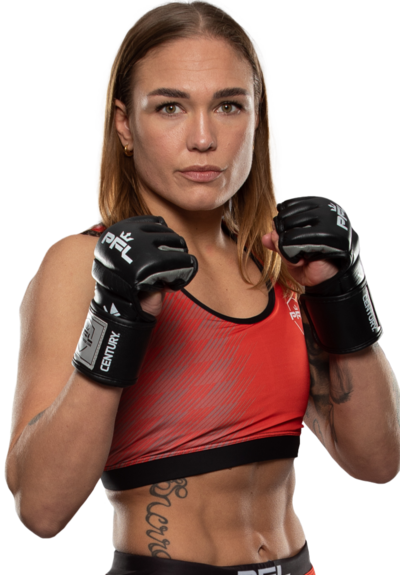 Cornelia Holm
« CONNY FUTURE »
Cornelia Holm
« CONNY FUTURE »
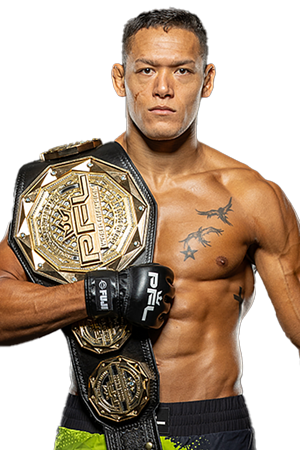 Costello van Steenis
« THE SPANIARD »
Costello van Steenis
« THE SPANIARD »
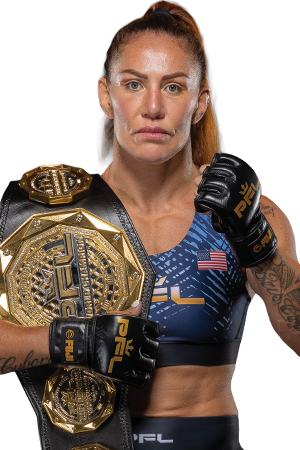 Cris Cyborg
 Dakota Bush
« Buckshot »
Dakota Bush
« Buckshot »
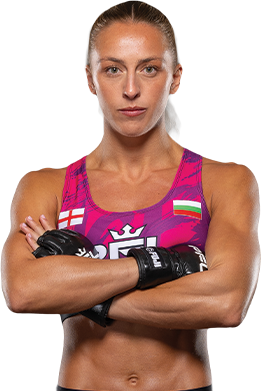 Dakota Ditcheva
« DANGEROUS »
Dakota Ditcheva
« DANGEROUS »
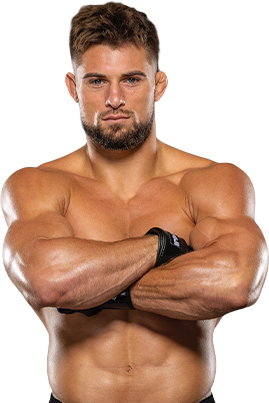 Dalton Rosta
« HERCULES »
Dalton Rosta
« HERCULES »
 Damir Ferhatbegovic
« THE BOSNIAN BARN CAT »
Damir Ferhatbegovic
« THE BOSNIAN BARN CAT »
 Dan Spohn
« DRAGON »
Dan Spohn
« DRAGON »
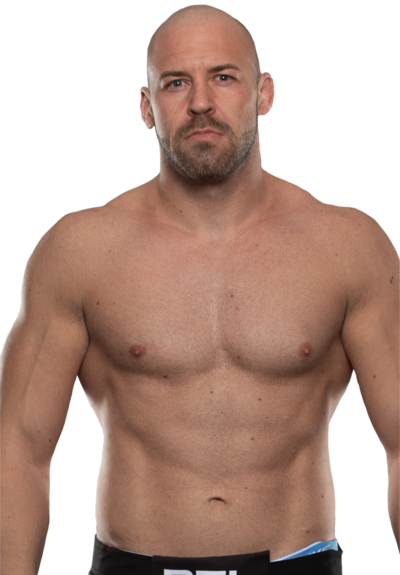 Daniel Ladero
« WHITE GORILLA »
Daniel Ladero
« WHITE GORILLA »
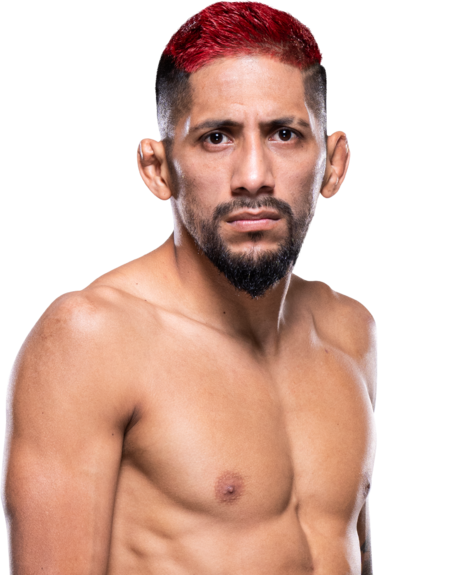 Daniel Marcos
« Soncora »
Daniel Marcos
« Soncora »
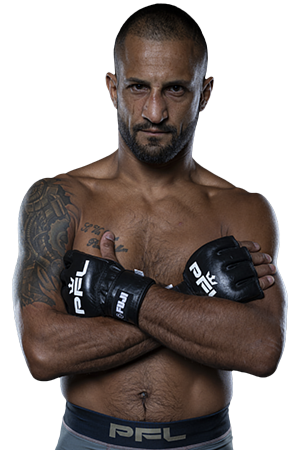 Daniele Miceli
« THE CYBORG »
Daniele Miceli
« THE CYBORG »
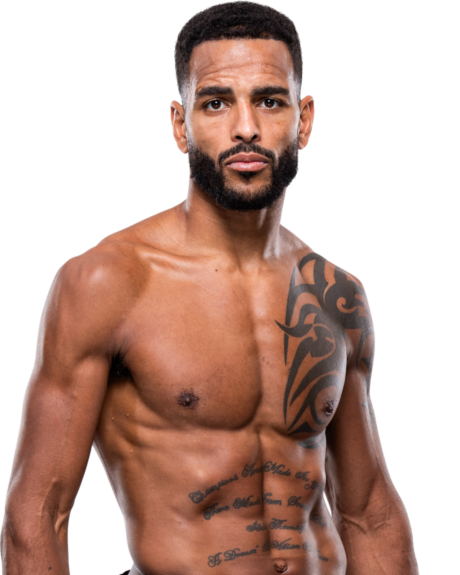 Danny Roberts
« Hot Chocolate »
Danny Roberts
« Hot Chocolate »
 Darragh Kelly
« THE MOVILLE MAULER »
Darragh Kelly
« THE MOVILLE MAULER »
Organisation names and marks belong to their respective owners. Fight Hub is not affiliated with any of them.