

Country
English mixed martial arts grew out of striking gyms rather than out of a grappling programme, and the sport arrived in a country that already had one of the oldest boxing cultures anywhere.
Boxing and, later, kickboxing and muay thai supplied the first generation. That inheritance is still the most recognisable English signature: fighters comfortable at range, with a jab that does real work and a sense of distance that grapplers have to be taught deliberately.
What England did not have was a school wrestling system. There is no equivalent of the American scholastic pipeline, and no national jacket-wrestling tradition of the kind that feeds the sport further east. The grappling therefore had to be built inside mixed martial arts gyms, mostly through Brazilian jiu-jitsu and freestyle wrestling learned as adults, and the quality of an English fighter's ground game depends heavily on which room taught it.
The country is small and its promotions are numerous, which means an English prospect can build a professional record without ever travelling far. That is an advantage for activity and a limitation for level: the same geography that makes fights easy to find also means the same opponents recur.
The trade has long run in both directions with continental Europe and with the United States, and a significant share of English fighters spend camps abroad. Reading the gym column below separates fighters developed entirely at home from those who left to find training partners — their records tend to look different, and so do their weaknesses.
The weight classes below sit mostly in the middle of the scale, which is what happens in a scene grown from boxing rather than from a heavyweight wrestling tradition. And the gyms are spread rather than concentrated — England has no single room that produced a majority of its professionals, unlike several smaller European countries where one team accounts for most of the list.
The pages below list every English fighter in the catalogue, with their weight class, their gym and how each of their last five fights ended.
How this roster is spread across the weight classes. Follow a division to see its fighters from every country and every promotion.
The gyms that train more than one fighter on this page. Each one has its own hub, with the full roster it has produced.
The cities that keep turning out fighters. No links here on purpose — a page per city would be a dead end. It is context, not navigation.
37 fighters
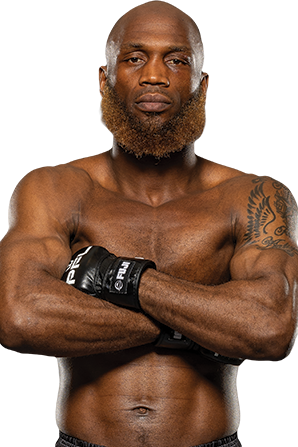 Alex Lohoré
« Da Killa King »
Alex Lohoré
« Da Killa King »
 Alfie Davis
« THE AXE MAN »
Alfie Davis
« THE AXE MAN »
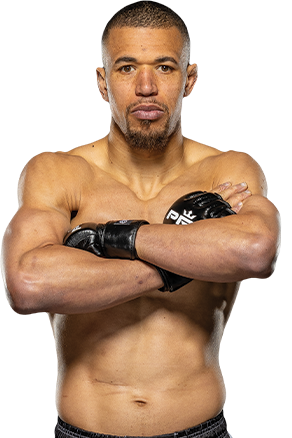 Ashley Reece
« The Beast »
Ashley Reece
« The Beast »
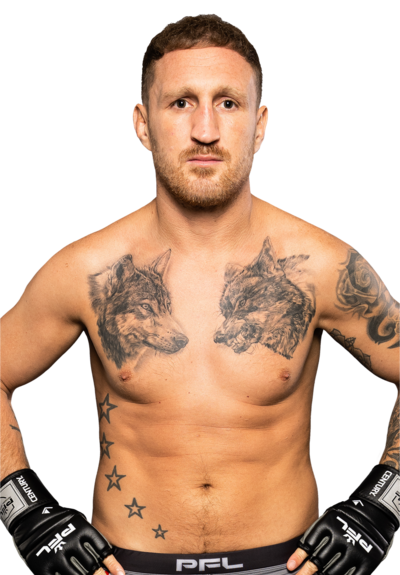 Brad Wheeler
« THE CRZY KID »
Brad Wheeler
« THE CRZY KID »
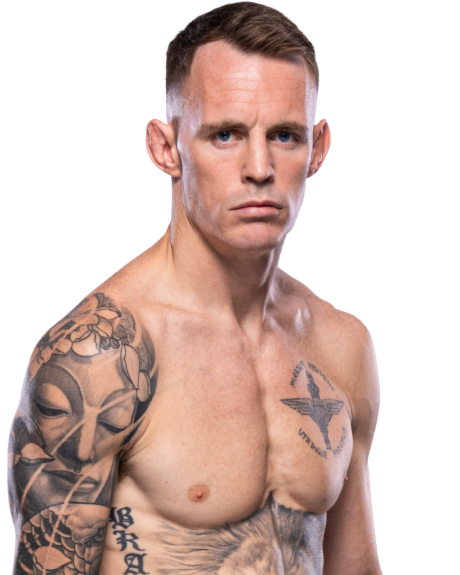 Cameron Else
« Camchida »
Cameron Else
« Camchida »
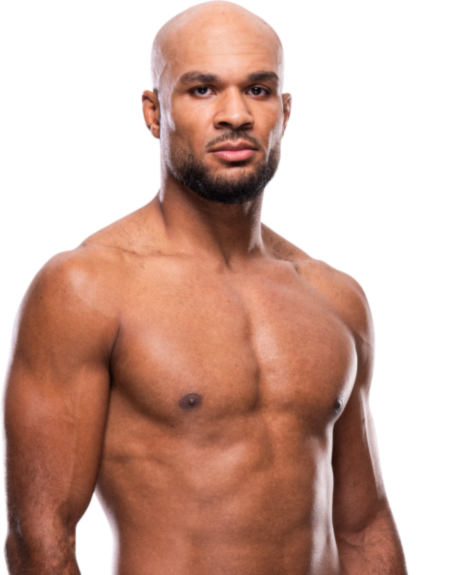 Christian Leroy Duncan
« CLD »
Christian Leroy Duncan
« CLD »
 Connor Hughes
 Dakota Ditcheva
« DANGEROUS »
Dakota Ditcheva
« DANGEROUS »
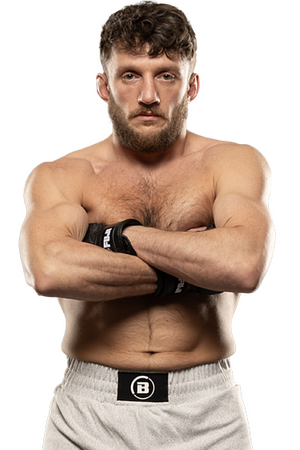 Darius Mafi
 Dean Garnett
 Dominique Wooding
« THE BLACK PANTHER »
Dominique Wooding
« THE BLACK PANTHER »
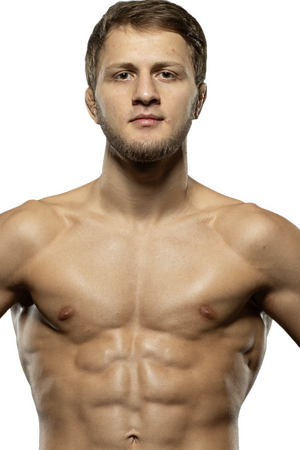 Ibragim Ibragimov
« THE MAULER »
Ibragim Ibragimov
« THE MAULER »
 Jack Grant
 Jake Hadley
« White Kong »
Jake Hadley
« White Kong »
 Jordan Vucenic
« The Epidemic »
Jordan Vucenic
« The Epidemic »
 Kurtis Campbell
« The Pink Panther »
Kurtis Campbell
« The Pink Panther »
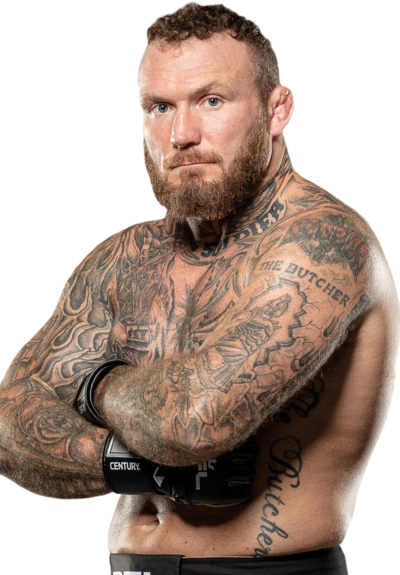 Lee Chadwick
« BUTCHER »
Lee Chadwick
« BUTCHER »
 Lewis McGrillen
« THE McGRIZZLA »
Lewis McGrillen
« THE McGRIZZLA »
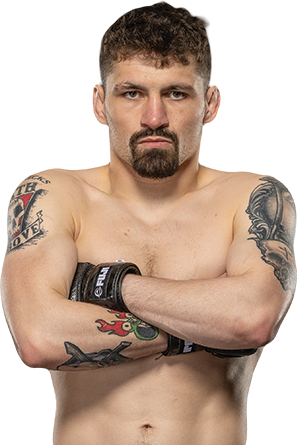 Liam Gittins
« Nightmare »
Liam Gittins
« Nightmare »
 Louie Sutherland
« Vanilla Gorilla »
Louie Sutherland
« Vanilla Gorilla »
 Luke Riley
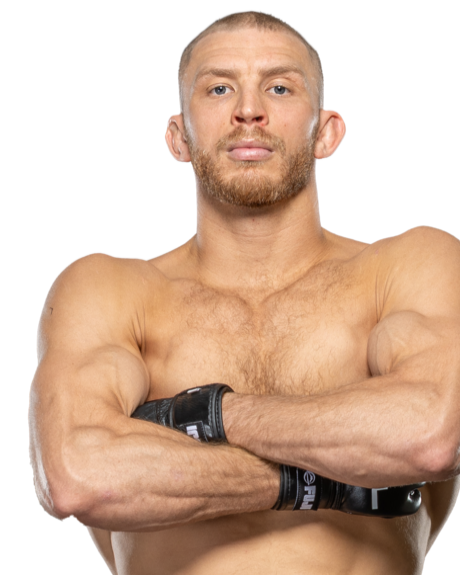 Luke Trainer
« THE GENT »
Luke Trainer
« THE GENT »
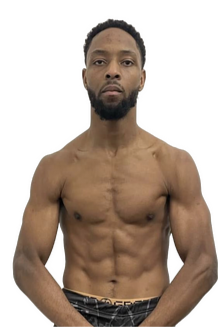 Malichi Edwards
« Di General »
Malichi Edwards
« Di General »
 Mark Godbeer
« The Hand of »
Mark Godbeer
« The Hand of »
 Melissa Mullins
« No Mess »
Melissa Mullins
« No Mess »
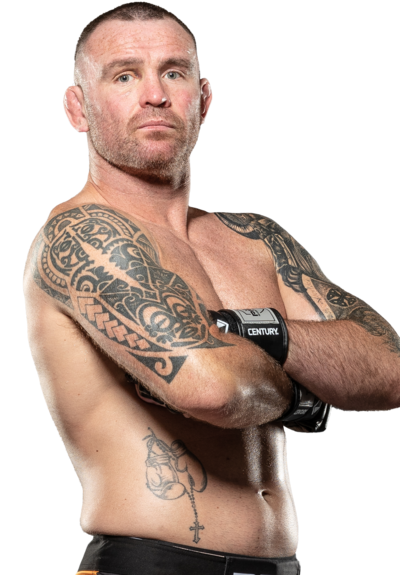 Mick Stanton
« HUYTON HAMMER »
Mick Stanton
« HUYTON HAMMER »
 Mike Shipman
« SEA BASS »
Mike Shipman
« SEA BASS »
 Mike Wilkinson
« The Warrior »
Mike Wilkinson
« The Warrior »
 Oscar Ownsworth
« GINGER FURY »
Oscar Ownsworth
« GINGER FURY »
 Phil Harris
« Billy »
Phil Harris
« Billy »
 Salih Kulucan
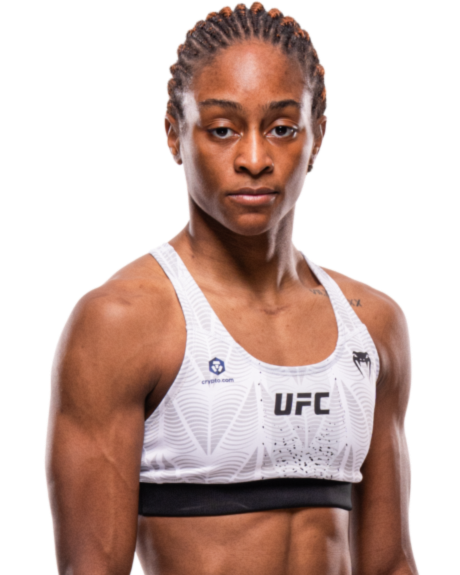 Shanelle Dyer
« The Nightmare »
Shanelle Dyer
« The Nightmare »
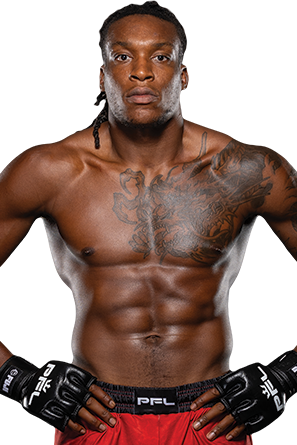 Simeon Powell
« SMOOTH »
Simeon Powell
« SMOOTH »
 Steven Hill
« THE HILLBILLY HAMMER »
Steven Hill
« THE HILLBILLY HAMMER »
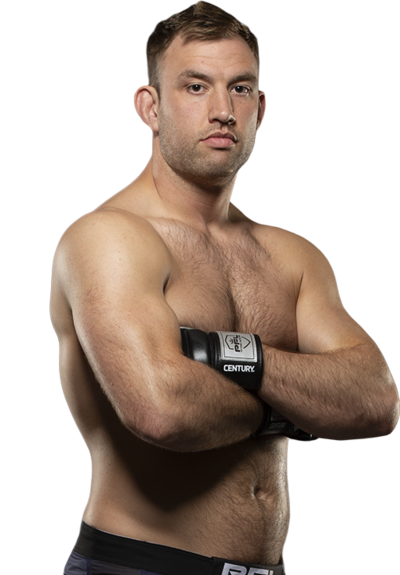 Stuart Austin
« HE-MAN »
Stuart Austin
« HE-MAN »
 Tim Wilde
« THE EXPERIMENT »
Tim Wilde
« THE EXPERIMENT »
 Tom Watson
« Kong »
Tom Watson
« Kong »
Full fight history, live rankings, upcoming cards and head-to-head comparisons. Free on iOS and Android.