

Organization
The PFL is built around an idea that separates it from almost every other mixed martial arts promotion: instead of matchmaking one fight at a time, it runs a season.
Fighters compete in a regular season, accumulate points, and the standings decide who advances to a knockout stage that ends in a final. The structure is borrowed from team sport rather than from boxing, and it answers a complaint that has followed mixed martial arts since the beginning — that who fights whom, and who gets a title shot, is a matter of judgement rather than of results.
The points reward finishing. A fighter who wins early scores more than a fighter who wins on the cards, which changes how bouts are approached: taking a decision may be enough to win the night and not enough to survive the season. Watching a season-format fight with that in mind explains decisions that would look reckless under normal matchmaking.
The format has a visible consequence on the pages below. A fighter in a season can face several opponents inside a single calendar year, which is a faster cadence than most promotions ask for, and their record fills up accordingly. Reading dates matters here more than usual: a run of bouts a few months apart is the format working as designed, not a fighter being rushed.
Bouts follow the Unified Rules of MMA, contested over three five-minute rounds with five for finals and championship fights, in the standard weight classes from the same rulebook.
The season structure also changes who a promotion signs. A league needs a full field at every weight it runs, at the same time, which favours fighters who can be relied on to make weight and to show up on a schedule rather than specialists brought in for one matchup. The rosters below tend to reflect that.
The pages below list every fighter in this catalogue whose most recent bout was in the PFL, with their weight class, their record and how each of their last five fights ended.
Every event page lists the full bout order, the fighters and their records, and every result once the night is over.
How this roster is spread across the weight classes. Follow a division to see its fighters from every country and every promotion.
The gyms that train more than one fighter on this page. Each one has its own hub, with the full roster it has produced.
The nationalities on this page. Each country has its own hub, with the fighters it has produced across all promotions.
151–200 of 388 fighters
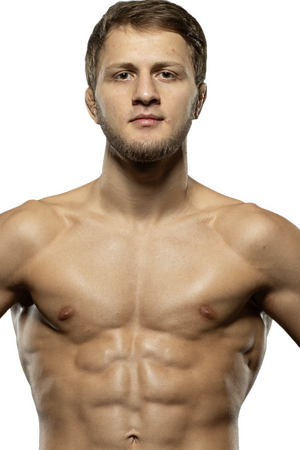 Ibragim Ibragimov
« THE MAULER »
Ibragim Ibragimov
« THE MAULER »
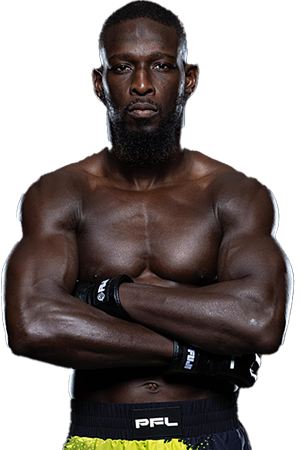 Ibrahima Mané
« Freezer »
Ibrahima Mané
« Freezer »
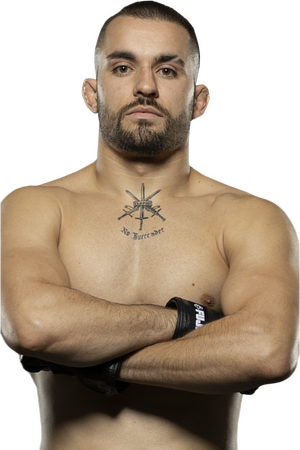 Ignacio Campos
« Nacho »
Ignacio Campos
« Nacho »
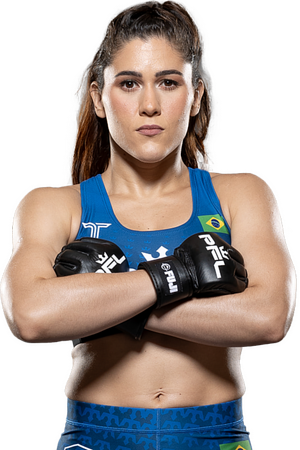 Ilara Joanne
« ARYA STARK »
Ilara Joanne
« ARYA STARK »
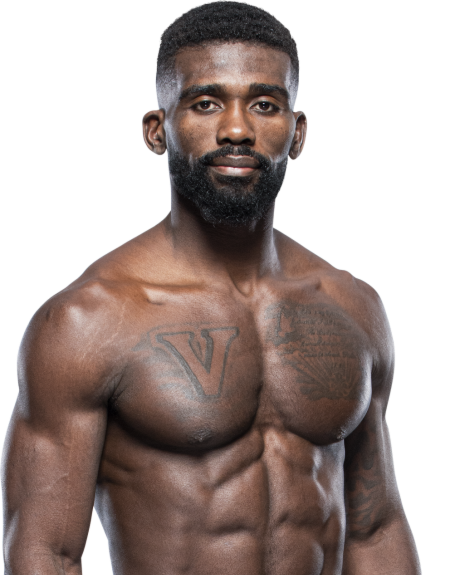 Impa Kasanganay
« Tshilobo »
Impa Kasanganay
« Tshilobo »
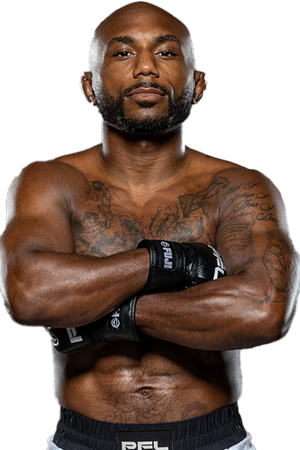 Isaiah Diggs
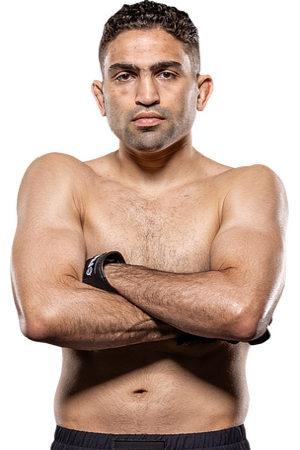 Islam Reda
« THE EGYPTIAN ZOMBIE »
Islam Reda
« THE EGYPTIAN ZOMBIE »
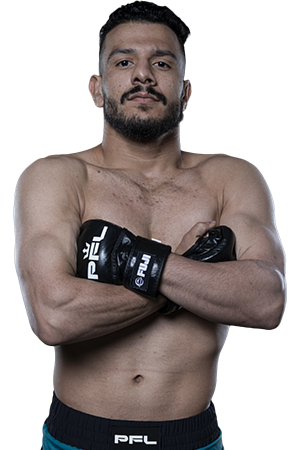 Islam Youssef
« MOKSHA »
Islam Youssef
« MOKSHA »
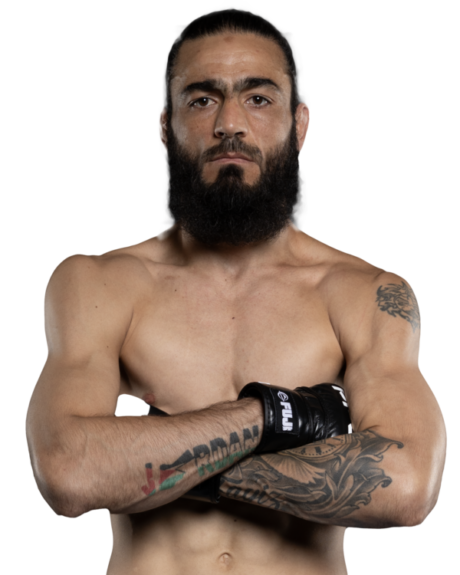 Izzeddine Al Derbani
« THE PALESTINIAN SAMURAI »
Izzeddine Al Derbani
« THE PALESTINIAN SAMURAI »
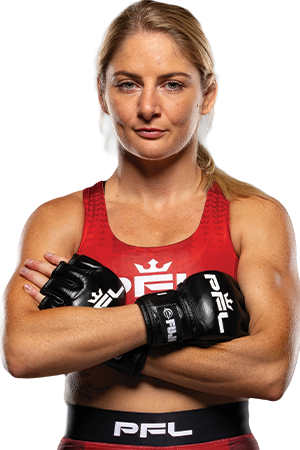 Jacinta Austin
« The Juggernaut »
Jacinta Austin
« The Juggernaut »
 Jacob Thrall
« Gerberbaby »
Jacob Thrall
« Gerberbaby »
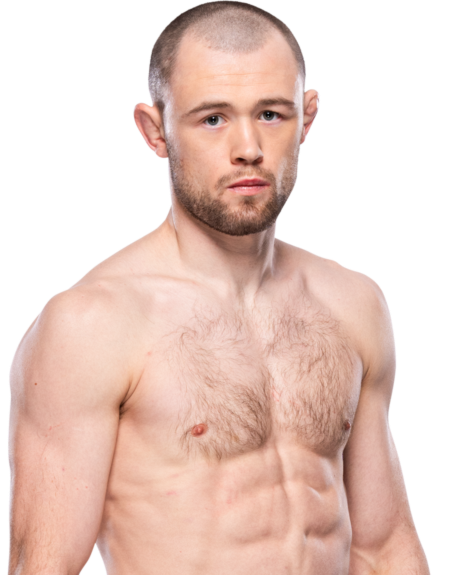 Jake Hadley
« White Kong »
Jake Hadley
« White Kong »
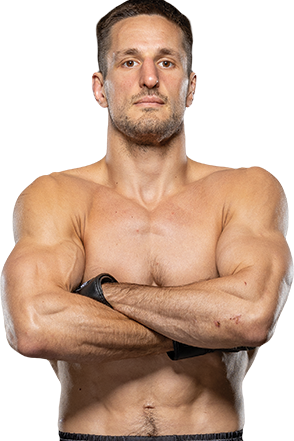 Jakub Kaszuba
« THE AUDITOR »
Jakub Kaszuba
« THE AUDITOR »
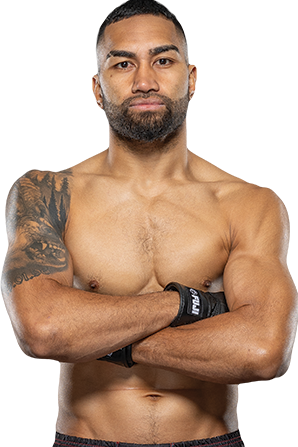 James Vake
« King James »
James Vake
« King James »
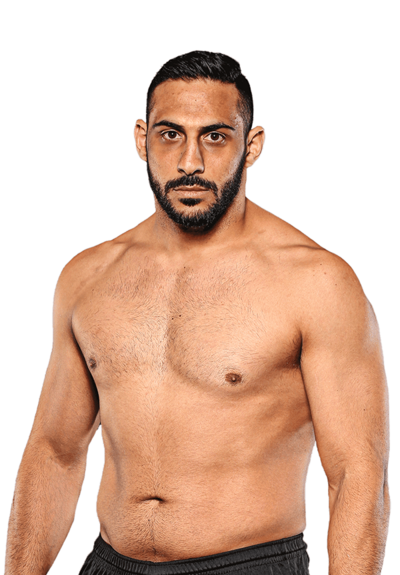 Jamie Abdallah
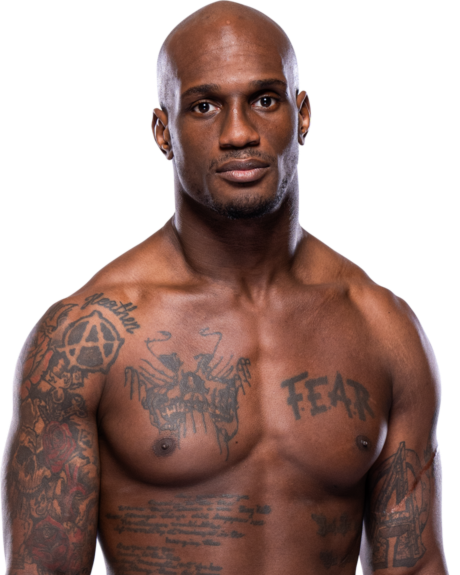 Jared Gooden
« NiteTrain »
Jared Gooden
« NiteTrain »
 Jared Rosholt
« The Big Show »
Jared Rosholt
« The Big Show »
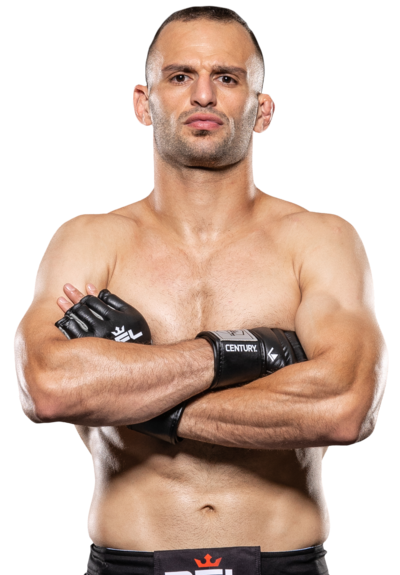 Jarrah Al Salawi
« The Jordanian Lion »
Jarrah Al Salawi
« The Jordanian Lion »
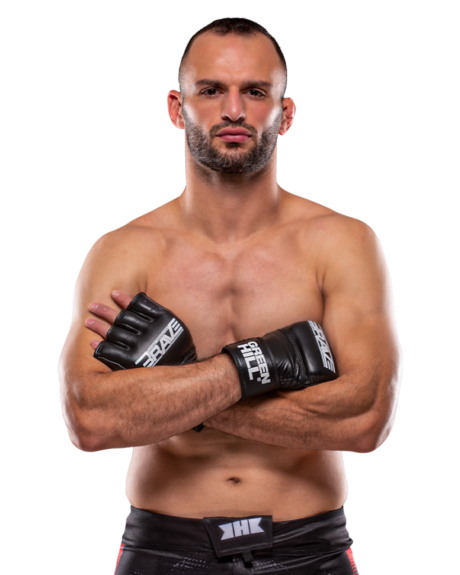 Jarrah Hussein Al-Silawi
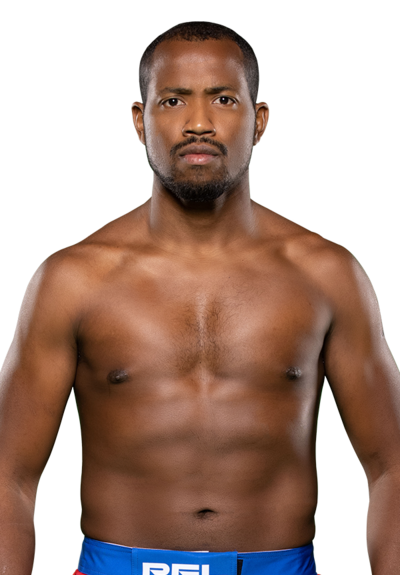 Jason Ponet
« The Amazonian Samurai »
Jason Ponet
« The Amazonian Samurai »
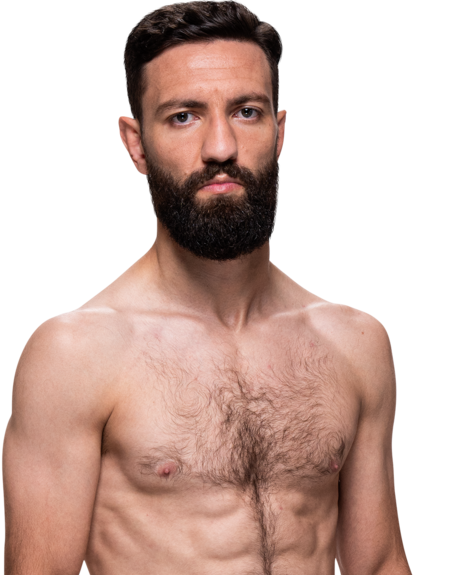 Javid Basharat
« The Snow Leopard »
Javid Basharat
« The Snow Leopard »
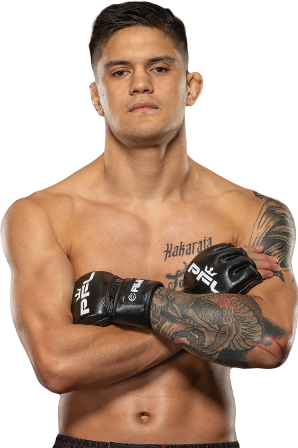 Jay-Jay Wilson
« THE MAORI KID »
Jay-Jay Wilson
« THE MAORI KID »
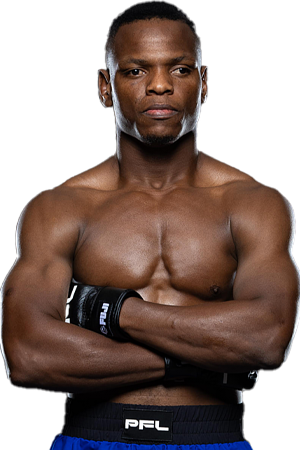 Jean-Jacques Lubaya
« ZIWI »
Jean-Jacques Lubaya
« ZIWI »
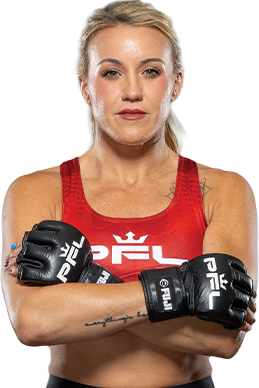 Jena Bishop
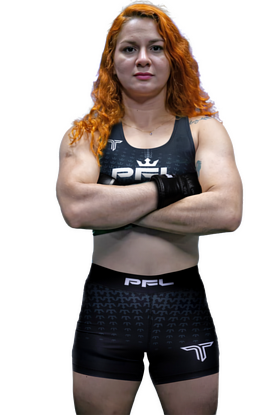 Jessica Cunha
« Só Na Manha »
Jessica Cunha
« Só Na Manha »
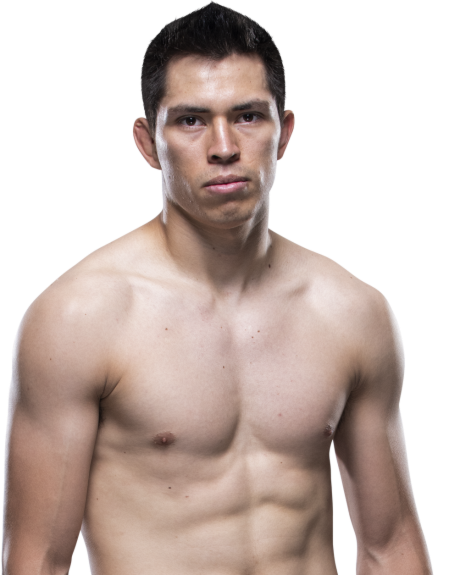 Jesus Pinedo
« El Mudo »
Jesus Pinedo
« El Mudo »
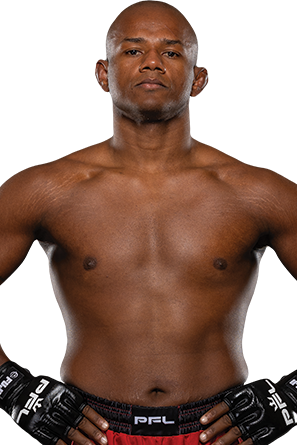 Jhony Gregory
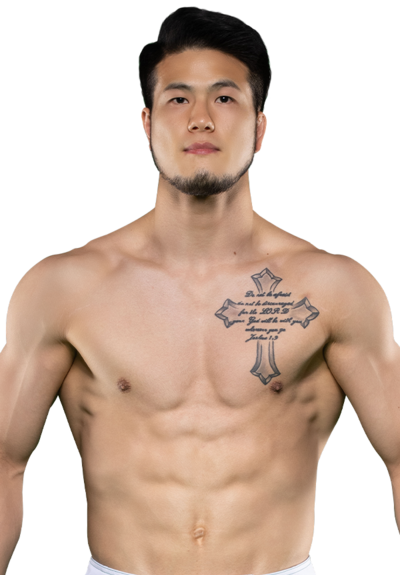 Jo Sungbin
« KOREAN FALCON »
Jo Sungbin
« KOREAN FALCON »
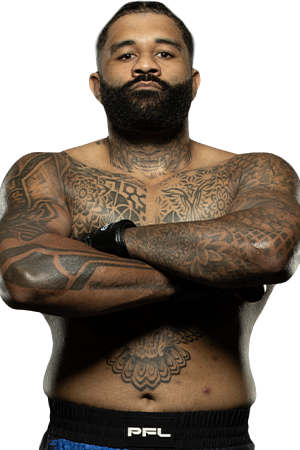 Joffie Houlton
« Shinigami »
Joffie Houlton
« Shinigami »
 Johnny Eblen
« PRESSURE »
Johnny Eblen
« PRESSURE »
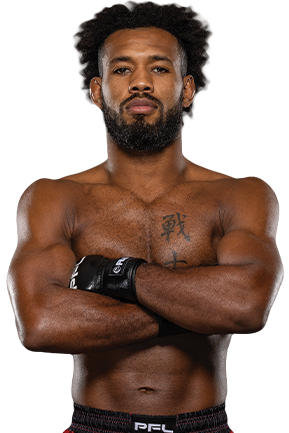 Jonathan Martin
« The Phenom »
Jonathan Martin
« The Phenom »
 Jordan Newman
« NOT HUMAN »
Jordan Newman
« NOT HUMAN »
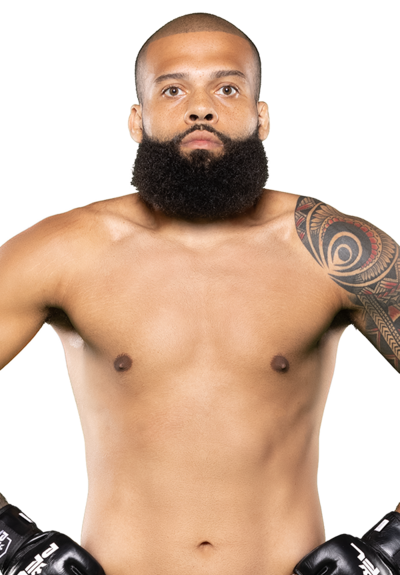 Jordan Young
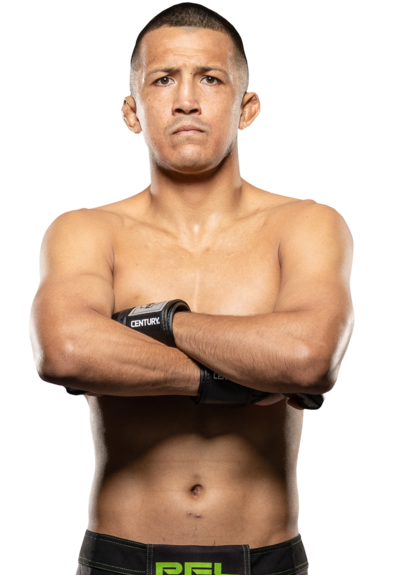 Jose Aguayo
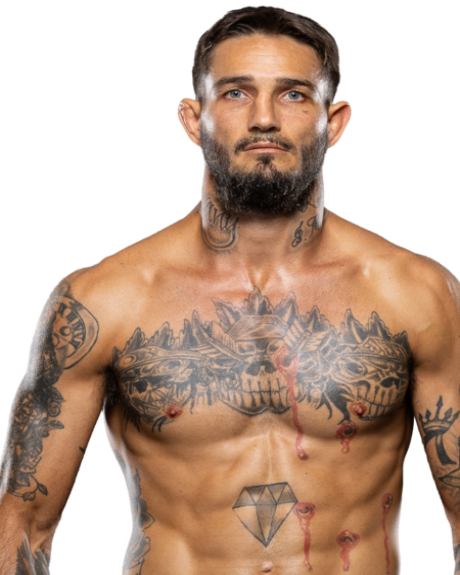 Joseph Ruquet
« El Cazador »
Joseph Ruquet
« El Cazador »
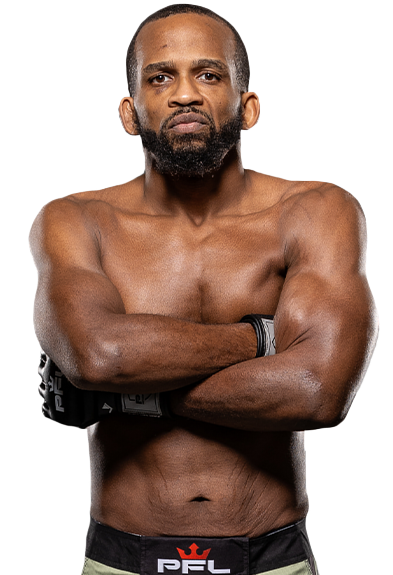 Josh Blyden
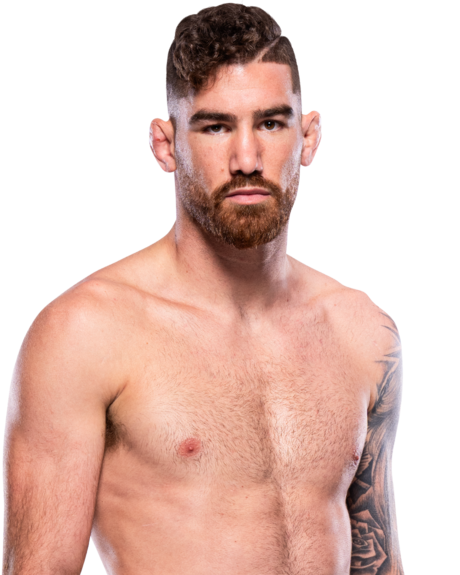 Josh Fremd
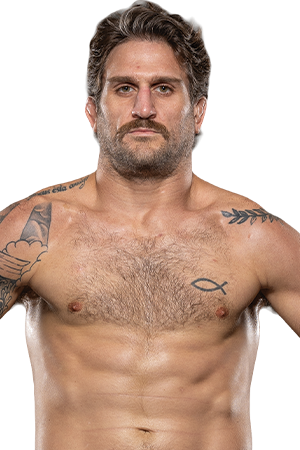 Josh Silveira
« CONINHA »
Josh Silveira
« CONINHA »
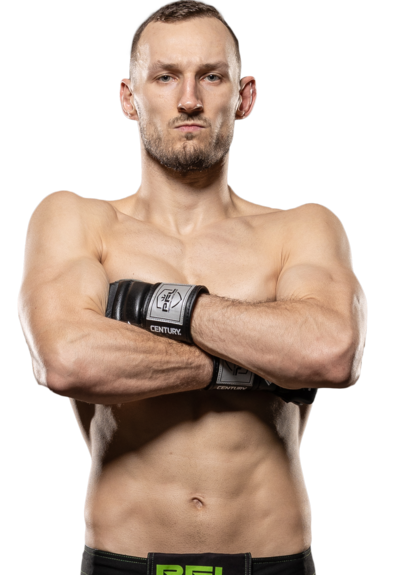 Jozef Wittner
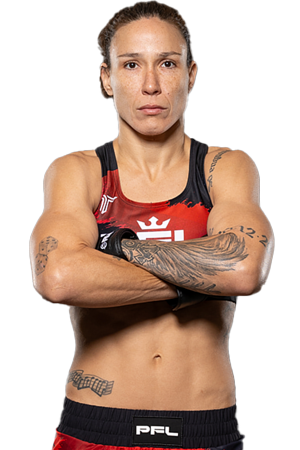 Juliana Velasquez
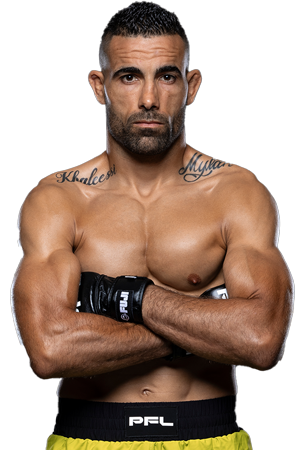 Julien Lopez
« BOYKA »
Julien Lopez
« BOYKA »
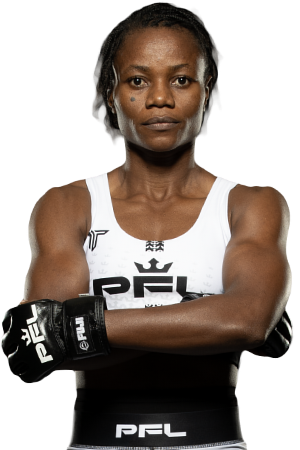 Juliet Ukah
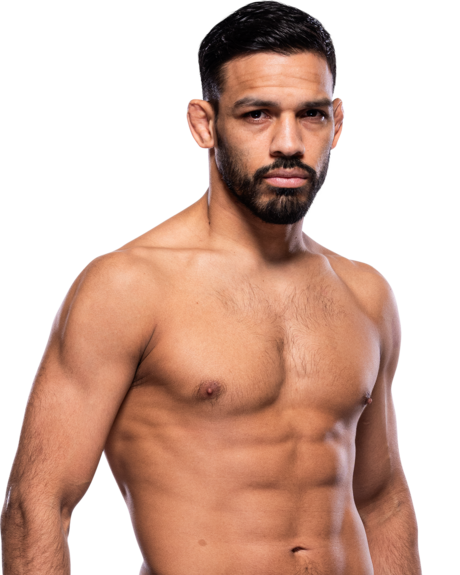 Julio Arce
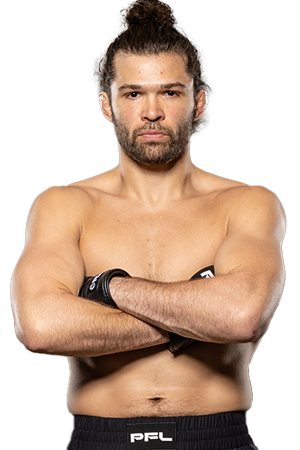 Justin Wetzell
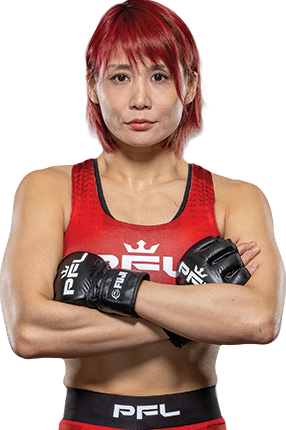 Kana Watanabe
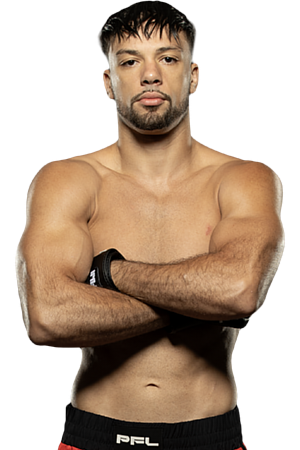 Karim Henniene
« The Kryptonian »
Karim Henniene
« The Kryptonian »
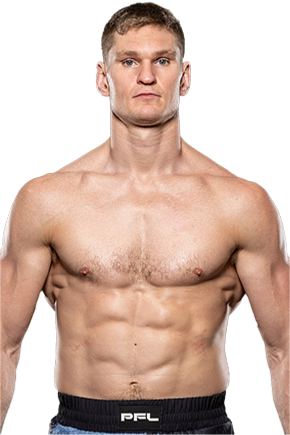 Karl Albrektsson
« KING »
Karl Albrektsson
« KING »
 Karl Moore
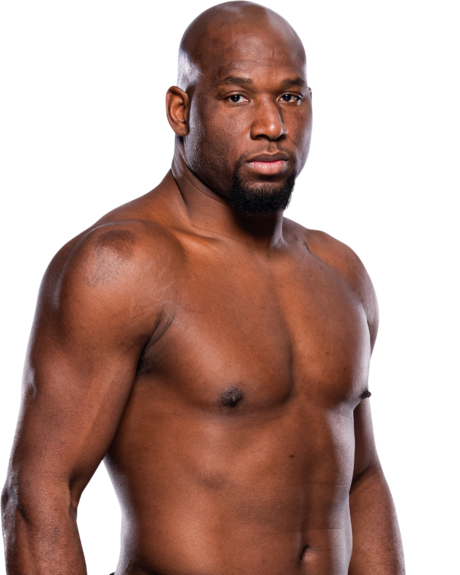 Karl Williams
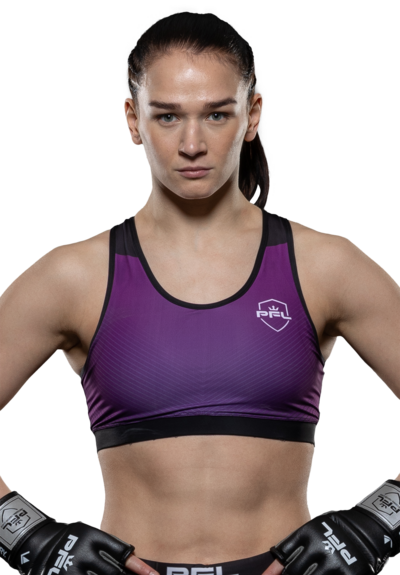 Karolina Sobek
Organisation names and marks belong to their respective owners. Fight Hub is not affiliated with any of them.