

Organization
The PFL is built around an idea that separates it from almost every other mixed martial arts promotion: instead of matchmaking one fight at a time, it runs a season.
Fighters compete in a regular season, accumulate points, and the standings decide who advances to a knockout stage that ends in a final. The structure is borrowed from team sport rather than from boxing, and it answers a complaint that has followed mixed martial arts since the beginning — that who fights whom, and who gets a title shot, is a matter of judgement rather than of results.
The points reward finishing. A fighter who wins early scores more than a fighter who wins on the cards, which changes how bouts are approached: taking a decision may be enough to win the night and not enough to survive the season. Watching a season-format fight with that in mind explains decisions that would look reckless under normal matchmaking.
The format has a visible consequence on the pages below. A fighter in a season can face several opponents inside a single calendar year, which is a faster cadence than most promotions ask for, and their record fills up accordingly. Reading dates matters here more than usual: a run of bouts a few months apart is the format working as designed, not a fighter being rushed.
Bouts follow the Unified Rules of MMA, contested over three five-minute rounds with five for finals and championship fights, in the standard weight classes from the same rulebook.
The season structure also changes who a promotion signs. A league needs a full field at every weight it runs, at the same time, which favours fighters who can be relied on to make weight and to show up on a schedule rather than specialists brought in for one matchup. The rosters below tend to reflect that.
The pages below list every fighter in this catalogue whose most recent bout was in the PFL, with their weight class, their record and how each of their last five fights ended.
Every event page lists the full bout order, the fighters and their records, and every result once the night is over.
How this roster is spread across the weight classes. Follow a division to see its fighters from every country and every promotion.
The gyms that train more than one fighter on this page. Each one has its own hub, with the full roster it has produced.
The nationalities on this page. Each country has its own hub, with the fighters it has produced across all promotions.
301–350 of 388 fighters
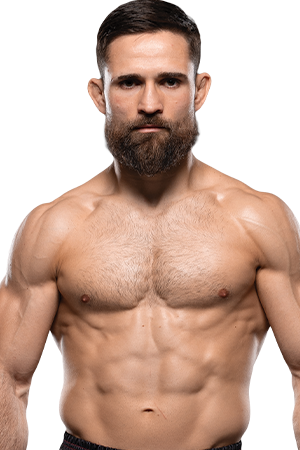 Rafael Calderon
« Leprechaun »
Rafael Calderon
« Leprechaun »
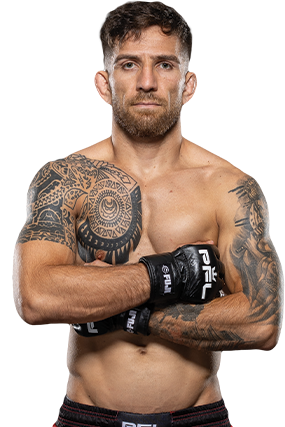 Rafael do Nascimento
« Mulisha »
Rafael do Nascimento
« Mulisha »
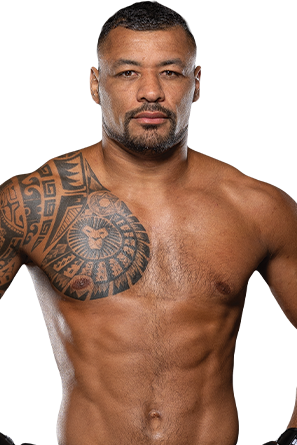 Rafael Xavier
« KRATOS »
Rafael Xavier
« KRATOS »
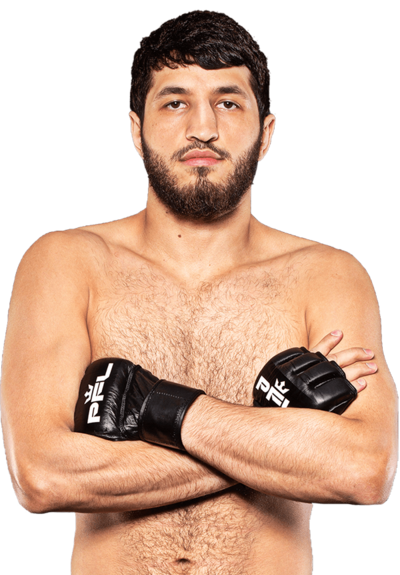 Rashid Yusupov
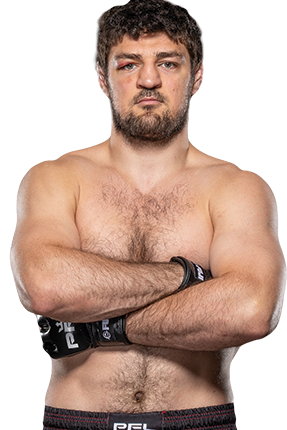 Rasul Magomedov
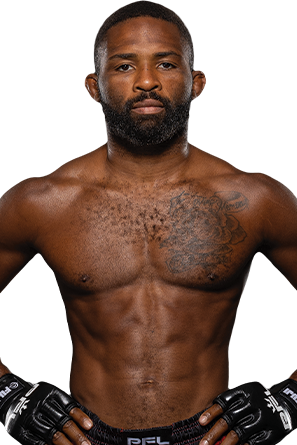 Raufeon Stots
« SUPA »
Raufeon Stots
« SUPA »
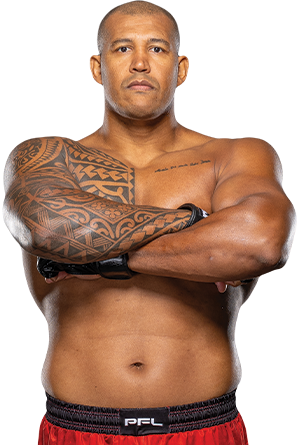 Renan Ferreira
« PROBLEMA »
Renan Ferreira
« PROBLEMA »
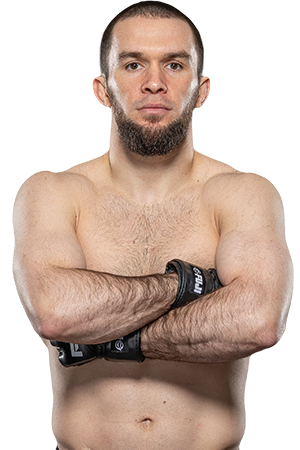 Renat Khavalov
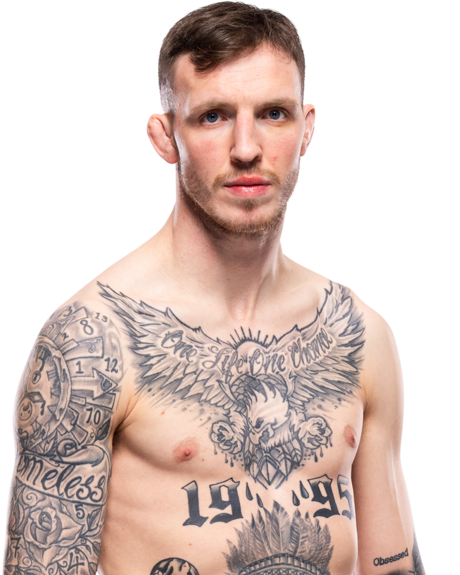 Rhys McKee
« Skeletor »
Rhys McKee
« Skeletor »
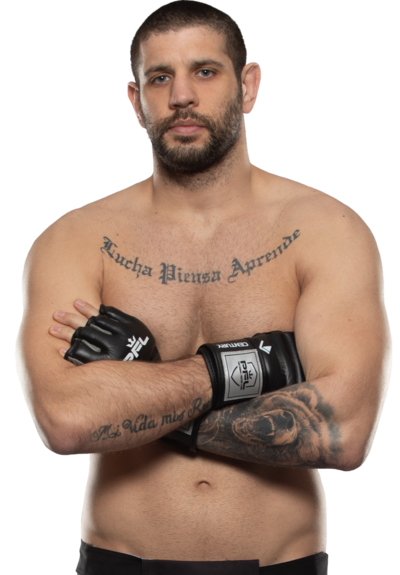 Riccardo Nosiglia
« WALKING DEAD »
Riccardo Nosiglia
« WALKING DEAD »
 Rob Wilkinson
« Razor »
Rob Wilkinson
« Razor »
 Robert Ring
« Razor »
Robert Ring
« Razor »
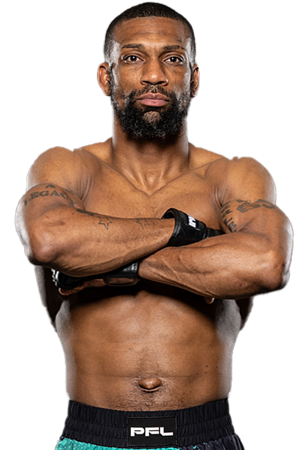 Robert Watley
« CONTACT »
Robert Watley
« CONTACT »
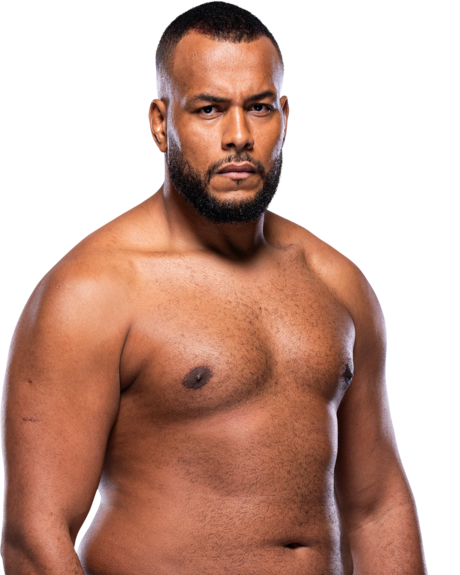 Rodrigo Nascimento
« Zé Colmeia »
Rodrigo Nascimento
« Zé Colmeia »
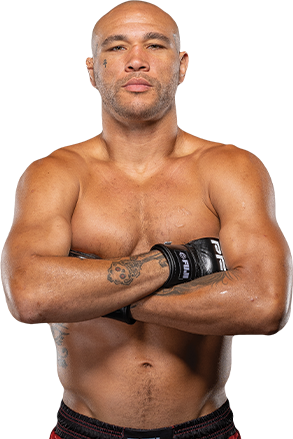 Roland Dunlap
« The Dream »
Roland Dunlap
« The Dream »
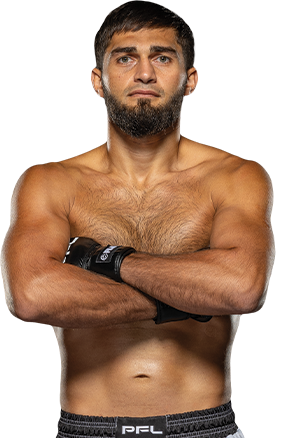 Rustam Serbiev
« Belgian Warrior »
Rustam Serbiev
« Belgian Warrior »
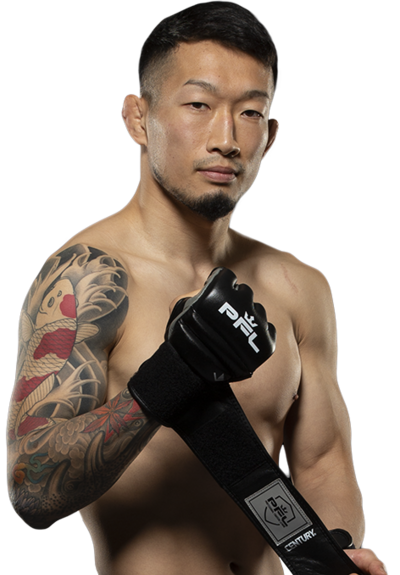 Ryoji Kudo
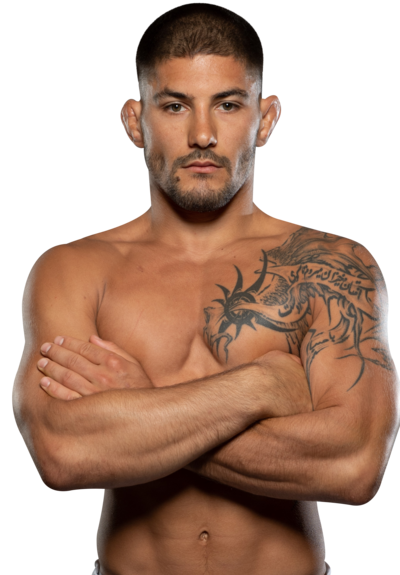 Saba Bolaghi
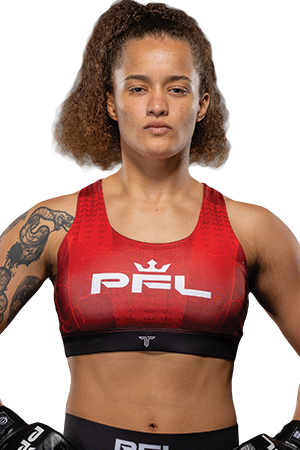 Sabrinna de Sousa
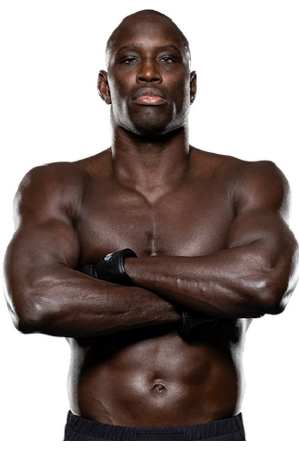 Sadibou Sy
« THE SWEDISH DENZEL »
Sadibou Sy
« THE SWEDISH DENZEL »
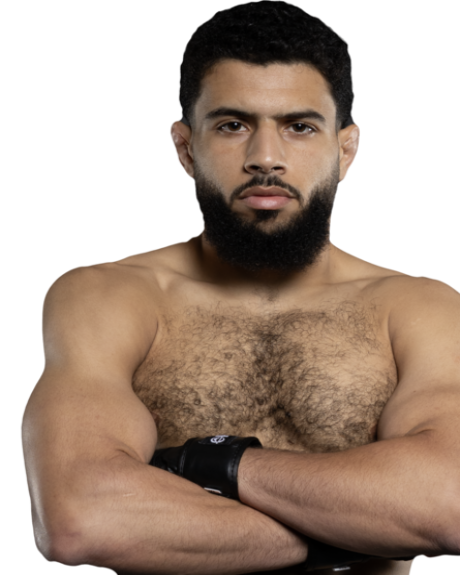 Salah Eddine Hamli
« SUPERSALAH »
Salah Eddine Hamli
« SUPERSALAH »
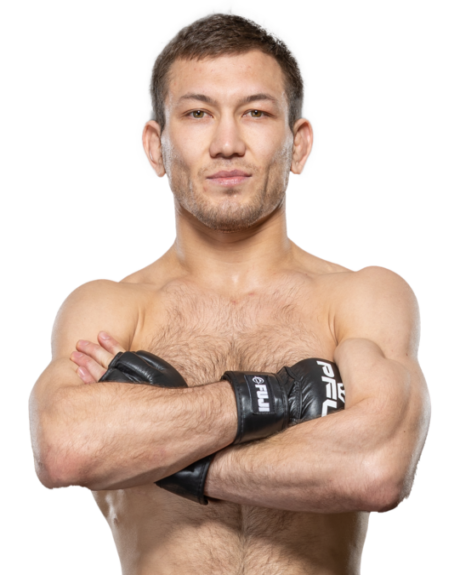 Salamat Isbulaev
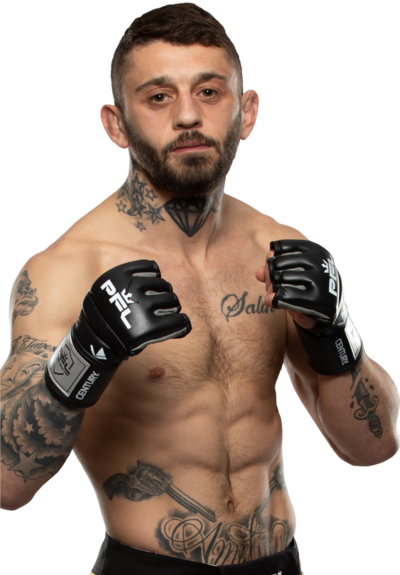 Salih Kulucan
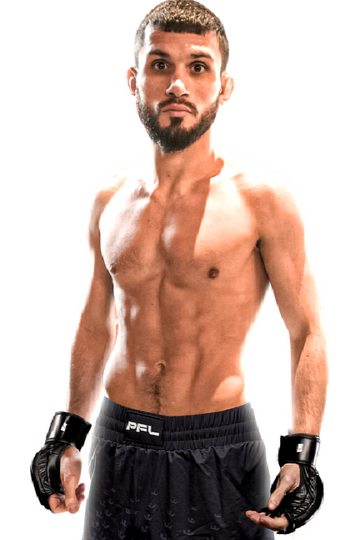 Salvatore Liga
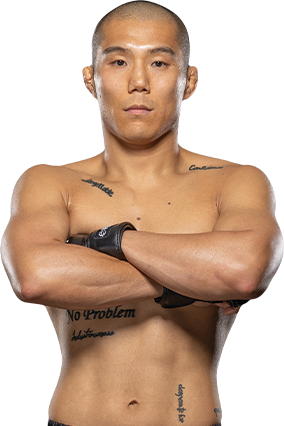 Sang Won Kim
« No Problem »
Sang Won Kim
« No Problem »
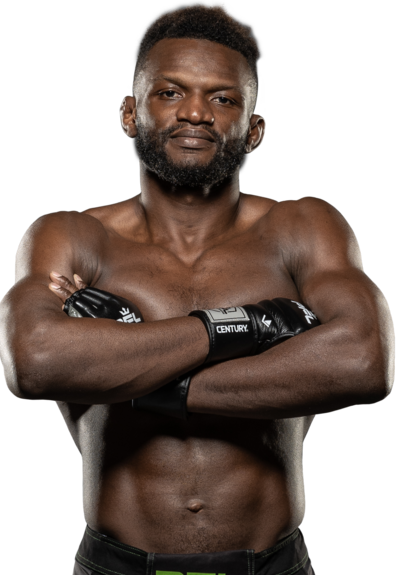 Sanon Sadeck
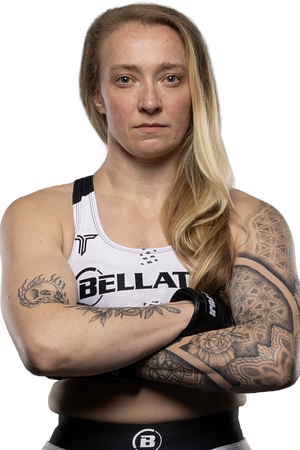 Sara Collins
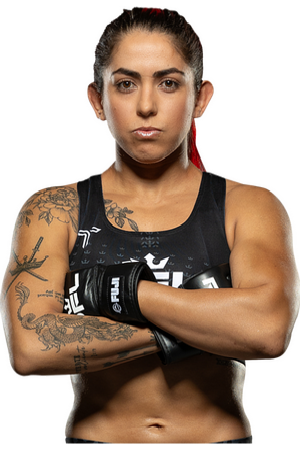 Saray Orozco
« KILLER QUEEN »
Saray Orozco
« KILLER QUEEN »
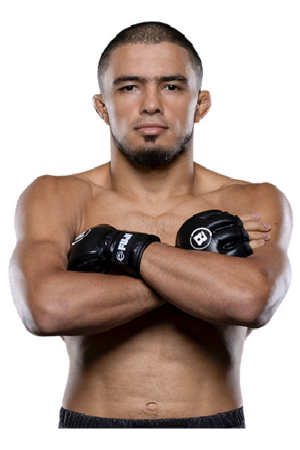 Sarvarjon Khamidov
« SARVAR »
Sarvarjon Khamidov
« SARVAR »
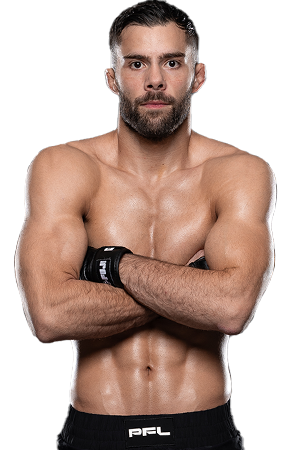 Sebastian Di Franco
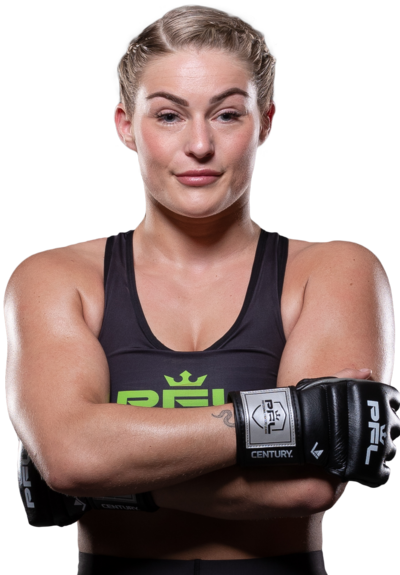 Senna Van De Veerdonk
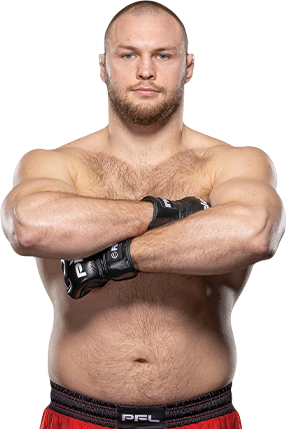 Sergey Bilostenniy
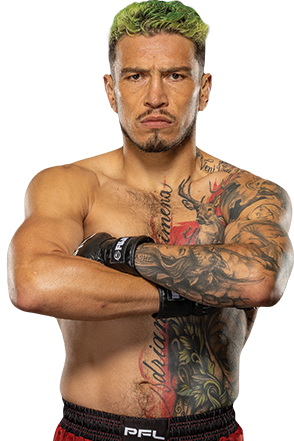 Sergio Cossio
« DRAKO »
Sergio Cossio
« DRAKO »
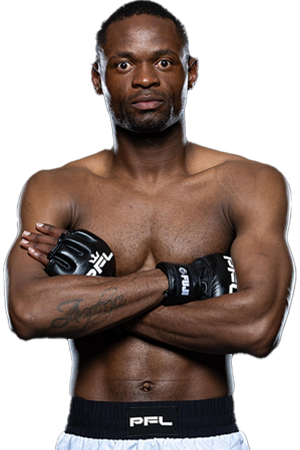 Shadrack Yemba
« Baba Yaga »
Shadrack Yemba
« Baba Yaga »
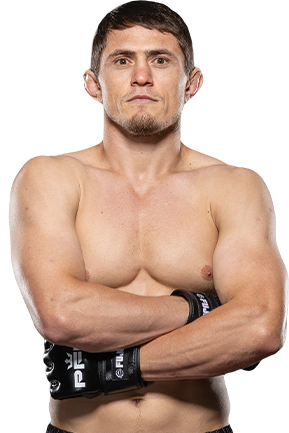 Shamil Musaev
« THE SILENT ASSASSIN »
Shamil Musaev
« THE SILENT ASSASSIN »
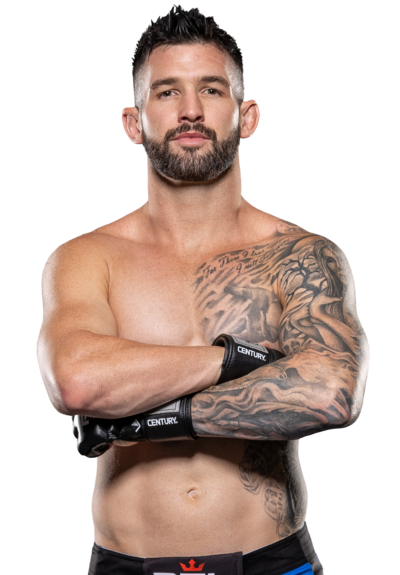 Shane Mitchell
« AAA »
Shane Mitchell
« AAA »
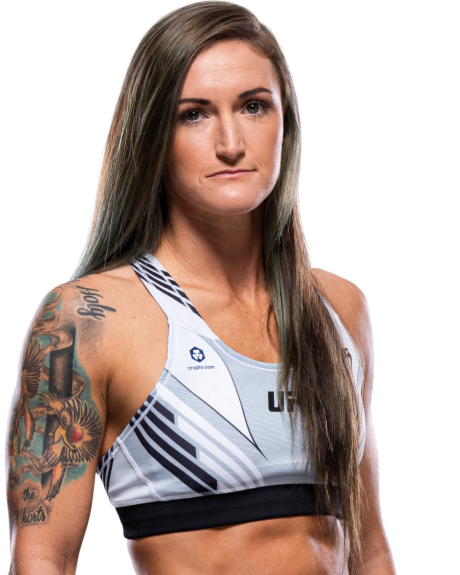 Shanna Young
« The Shanimal »
Shanna Young
« The Shanimal »
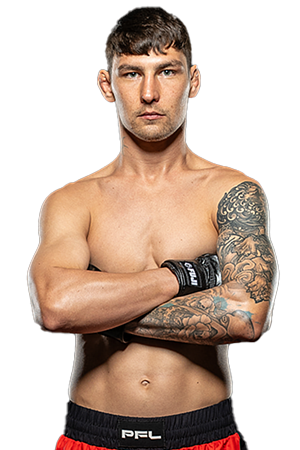 Shannon van Tonder
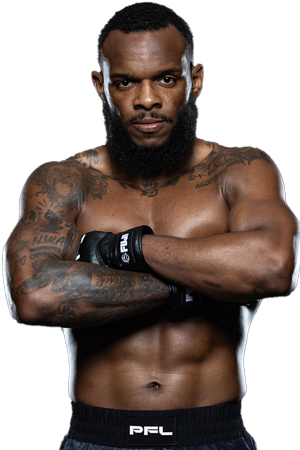 Shido Boris Esperanca
« MACHINE »
Shido Boris Esperanca
« MACHINE »
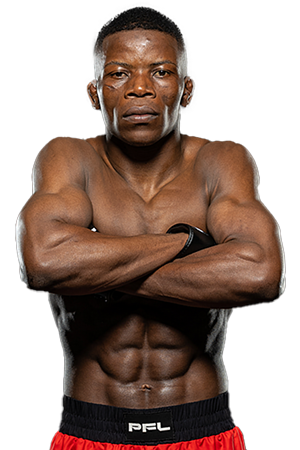 Simbarashe Hokonya
« THE HAWK »
Simbarashe Hokonya
« THE HAWK »
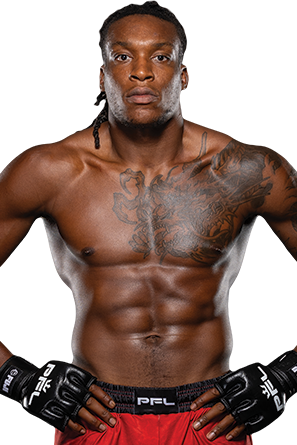 Simeon Powell
« SMOOTH »
Simeon Powell
« SMOOTH »
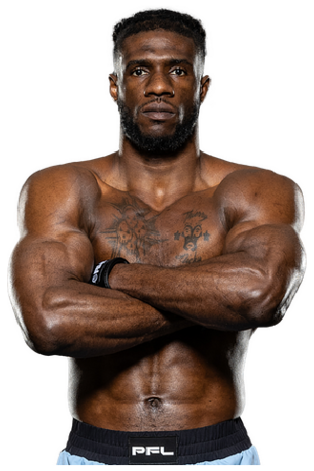 Simon Biyong
« HEMLE »
Simon Biyong
« HEMLE »
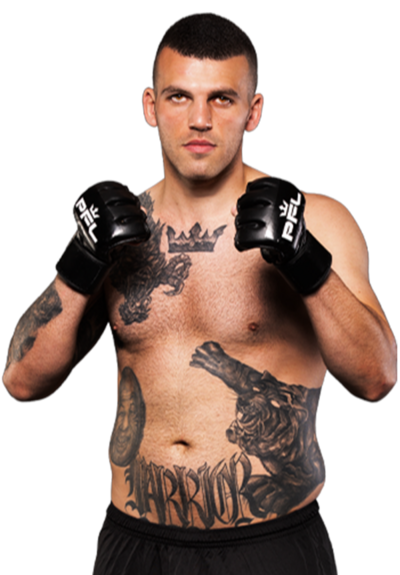 Smealinho Rama
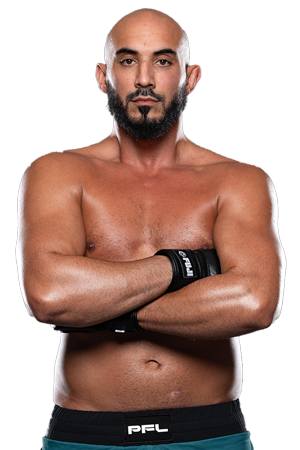 Sofiane Aissaoui
« The Lion »
Sofiane Aissaoui
« The Lion »
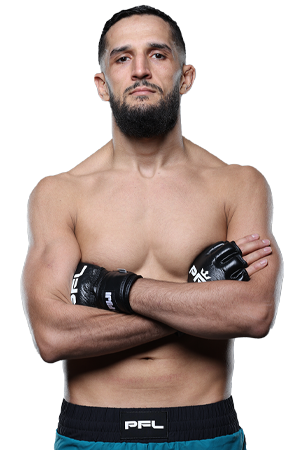 Souhil Tairi
« DOCTOR »
Souhil Tairi
« DOCTOR »
 Steve Mowry
« TALL »
Steve Mowry
« TALL »
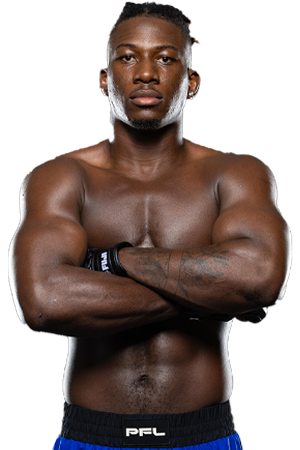 Styve Ngono
« The Revolution »
Styve Ngono
« The Revolution »
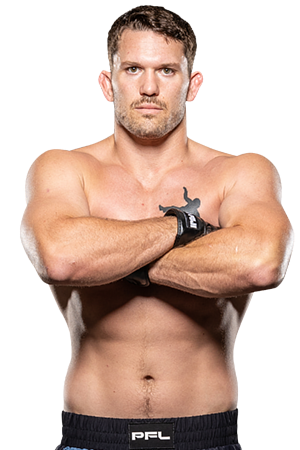 Sullivan Cauley
« SULLY »
Sullivan Cauley
« SULLY »
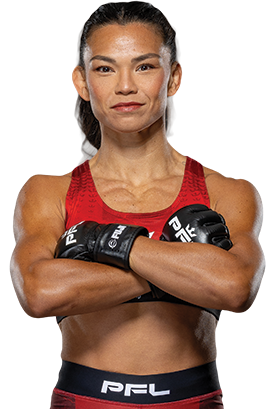 Sumiko Inaba
« LADY SAMURAI »
Sumiko Inaba
« LADY SAMURAI »
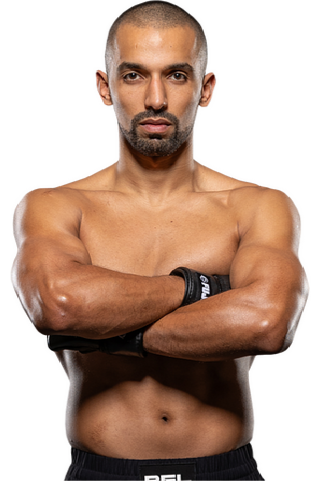 Taha Bendaoud
« THE ATLAS LION »
Taha Bendaoud
« THE ATLAS LION »
Organisation names and marks belong to their respective owners. Fight Hub is not affiliated with any of them.