

Country
Brazil is one of the two countries where mixed martial arts was invented rather than imported. Long before the sport had a name, unified rules or weight classes, Brazilian fighters were meeting in open-weight contests that pitted one discipline against another — and the lessons learned in those contests still shape how the sport is fought everywhere else.
The Brazilian approach begins on the ground. Jiu-jitsu, adapted in Brazil from judo across the first half of the twentieth century, was built for exactly the problem mixed martial arts poses: what a fighter does when the contest leaves its feet. Its answer — control from the bottom as well as the top, submissions from positions that look like defeat — gave the country an entire generation of fighters who were never out of a fight while conscious.
Luta livre grew alongside it as a rival grappling tradition, without the gi and with a different attachment to leg attacks. The rivalry between the two was sharp for decades, and the sport is better for it: fighters who had to prepare for both styles arrived at something broader than either.
Striking came into the mix through muay thai, adopted in Brazilian gyms with an emphasis on clinch work, knees and forward pressure that suited the country's temperament for coming forward. The combination of a grappler who does not fear the ground and a striker who does not fear the pocket is what most people mean when they call a fighter Brazilian.
Brazilian fighters cluster around a small number of teams with long lineages, and those teams train in distinct ways. Some are grappling houses where the striking is built on top of a mat game; others are striking academies that added wrestling. A fighter's team therefore predicts a great deal about how they fight, which is why the gym is worth reading on a profile before the record is.
Rio de Janeiro, São Paulo, Curitiba and the northern city of Manaus each produced their own scenes, and their fighters do not all resemble one another. The pages below list every Brazilian fighter in the catalogue, with the gym, the weight class and how each of their last five fights ended.
How this roster is spread across the weight classes. Follow a division to see its fighters from every country and every promotion.
The gyms that train more than one fighter on this page. Each one has its own hub, with the full roster it has produced.
The cities that keep turning out fighters. No links here on purpose — a page per city would be a dead end. It is context, not navigation.
1–50 of 261 fighters
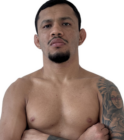
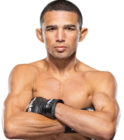
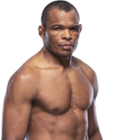
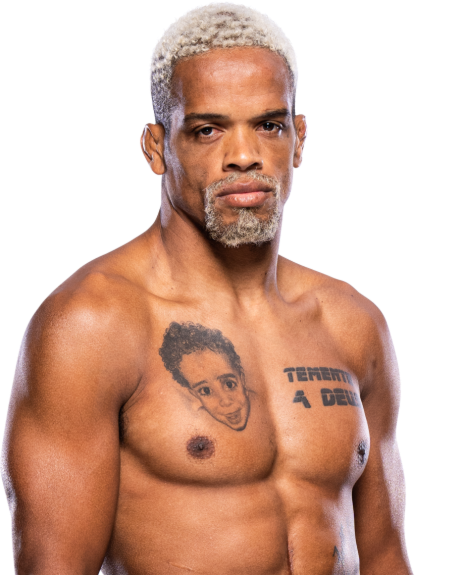 Alan Patrick
« Nuguette »
Alan Patrick
« Nuguette »
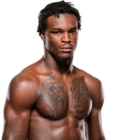
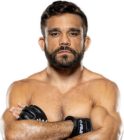
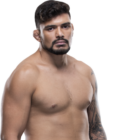
 Alberto Mina
« Soldier of God »
Alberto Mina
« Soldier of God »
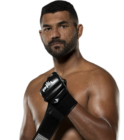
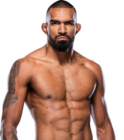
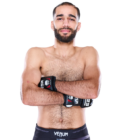
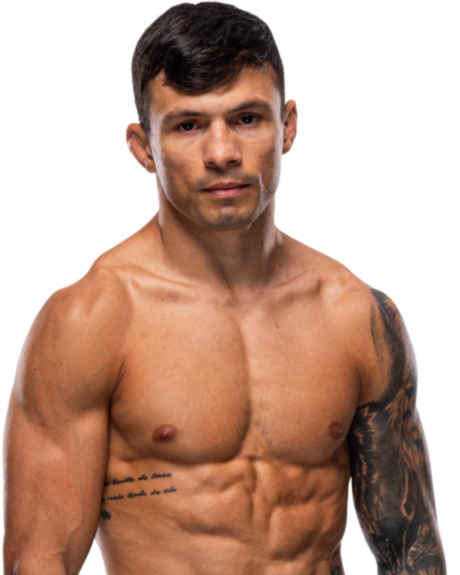 Alessandro Costa
« Nono »
Alessandro Costa
« Nono »
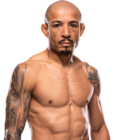
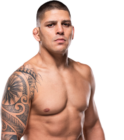
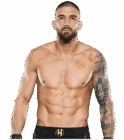
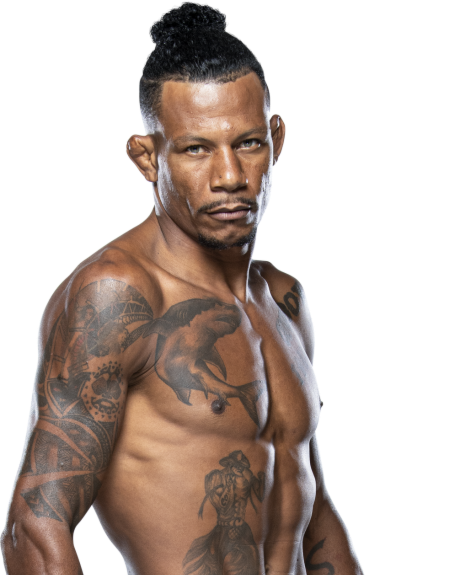 Alex Oliveira
« Cowboy »
Alex Oliveira
« Cowboy »
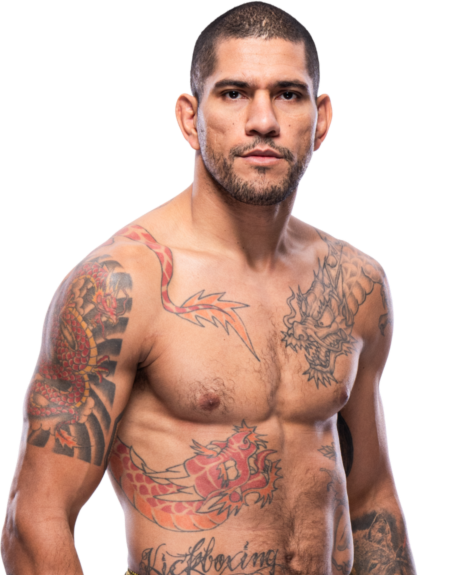 Alex Pereira
« Poatan »
Alex Pereira
« Poatan »
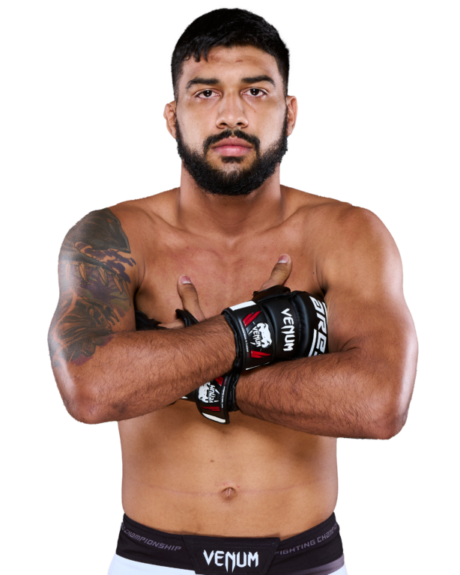 Alexander Mikael
« Pantera Negra »
Alexander Mikael
« Pantera Negra »
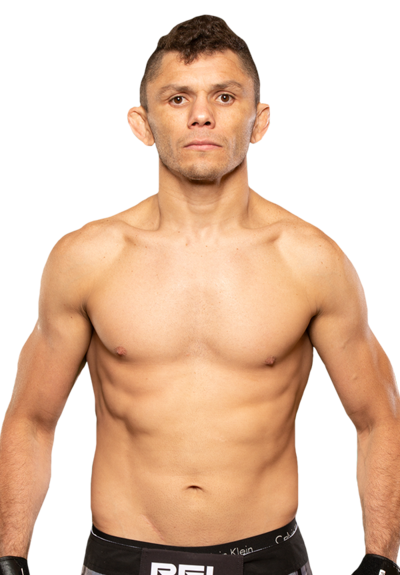 Alexandre Almeida
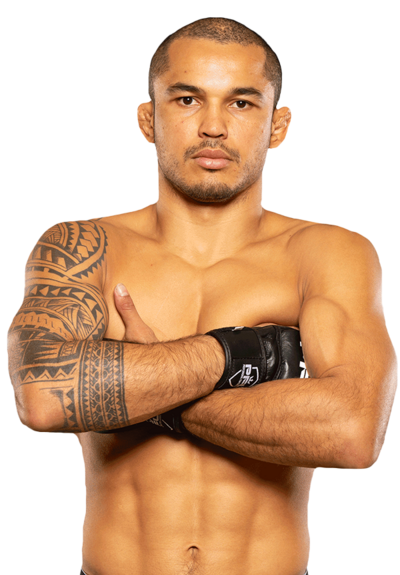 Alexandre Bezerra
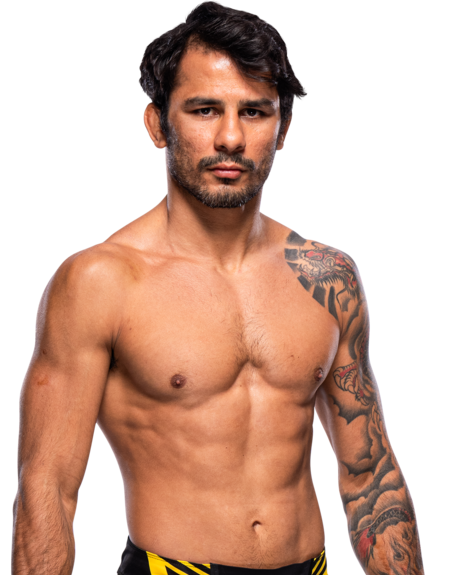 Alexandre Pantoja
« The Cannibal »
Alexandre Pantoja
« The Cannibal »
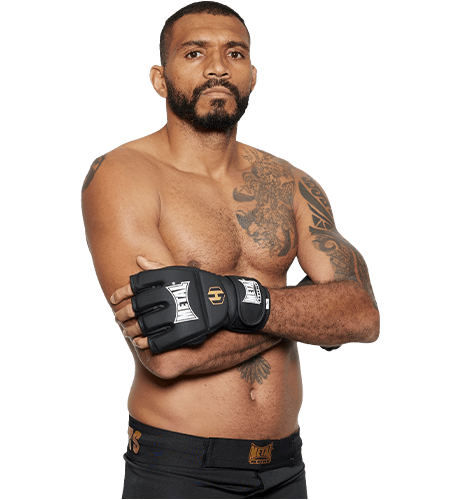 Alexandro Macedo
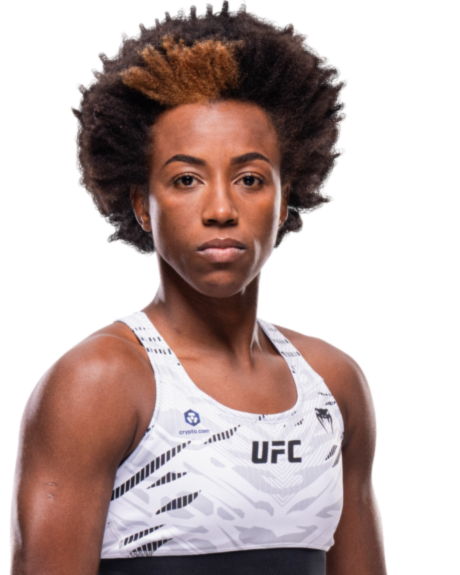 Alexia Thainara
« Burguesinha »
Alexia Thainara
« Burguesinha »
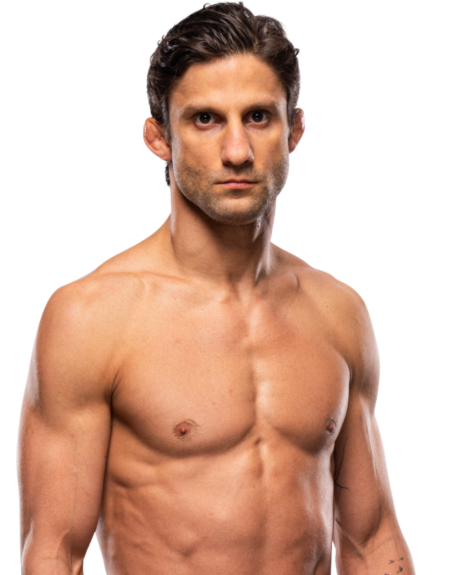 Allan Nascimento
« Puro Osso »
Allan Nascimento
« Puro Osso »
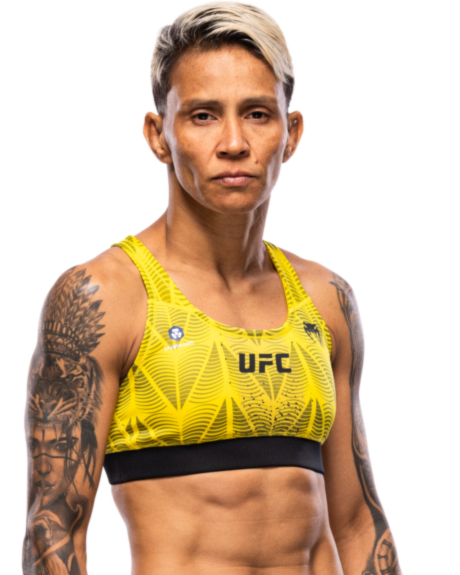 Amanda Lemos
« Amandinha »
Amanda Lemos
« Amandinha »
 Amanda Nunes
« The Lioness »
Amanda Nunes
« The Lioness »
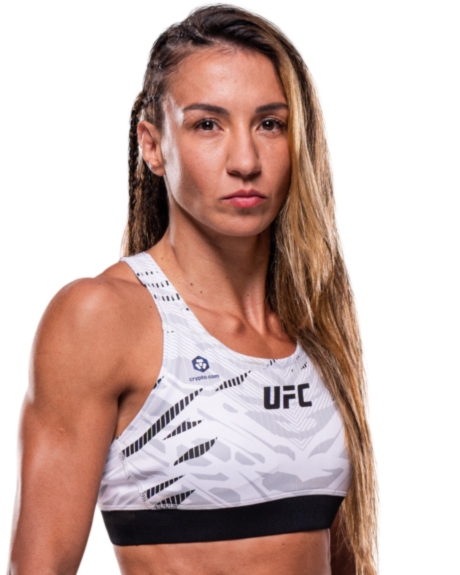 Amanda Ribas
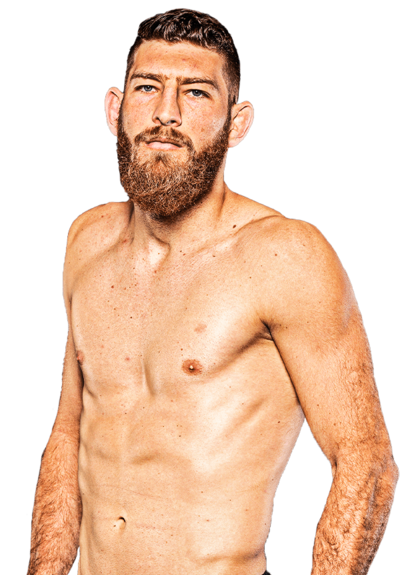 Anderson Goncalves
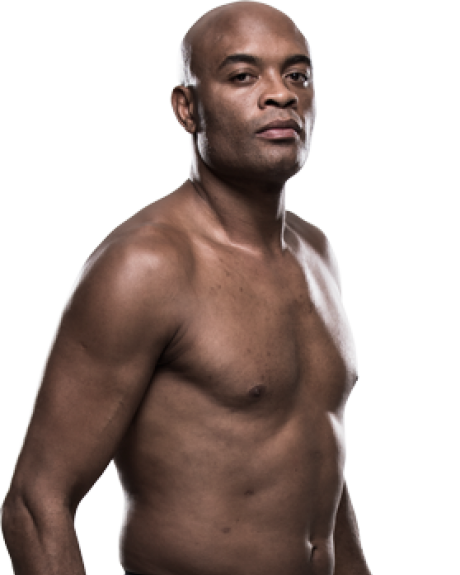 Anderson Silva
« The Spider »
Anderson Silva
« The Spider »
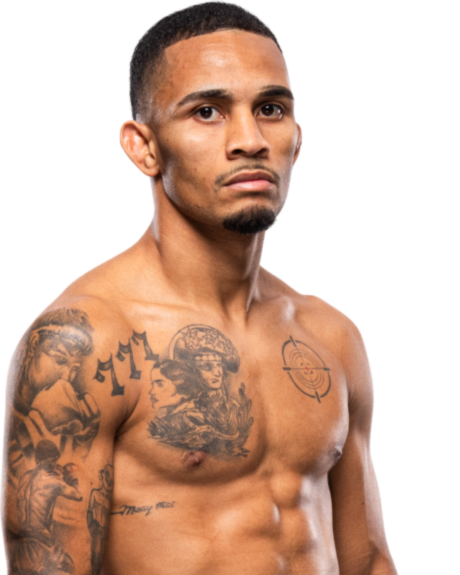 Andre Lima
« Mascote »
Andre Lima
« Mascote »
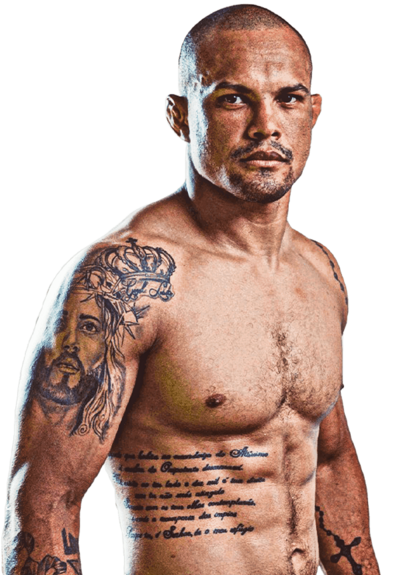 Andre Lobato
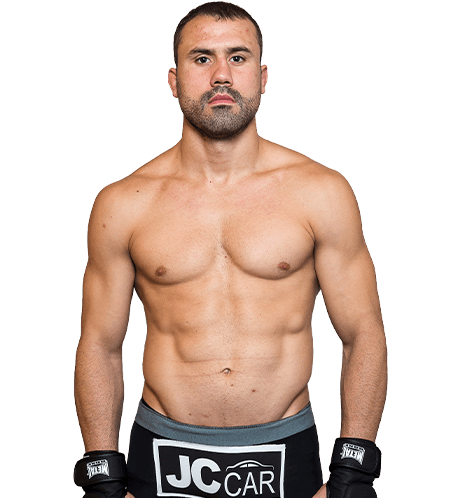 ANDRÉ RICARDO
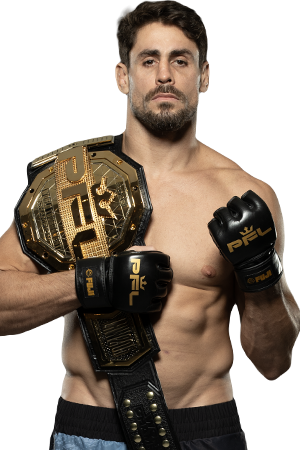 Antonio Carlos Jr.
« CARA DE SAPATO »
Antonio Carlos Jr.
« CARA DE SAPATO »
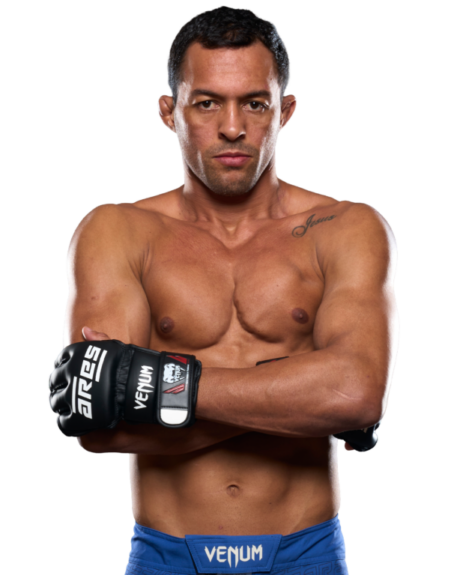 Antonio Roberto
« TONY FOX »
Antonio Roberto
« TONY FOX »
 Antonio Silva
« BigFoot »
Antonio Silva
« BigFoot »
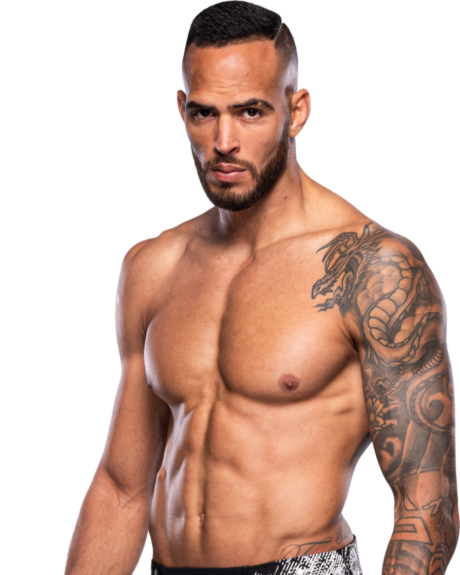 Antonio Trocoli
« Malvado »
Antonio Trocoli
« Malvado »
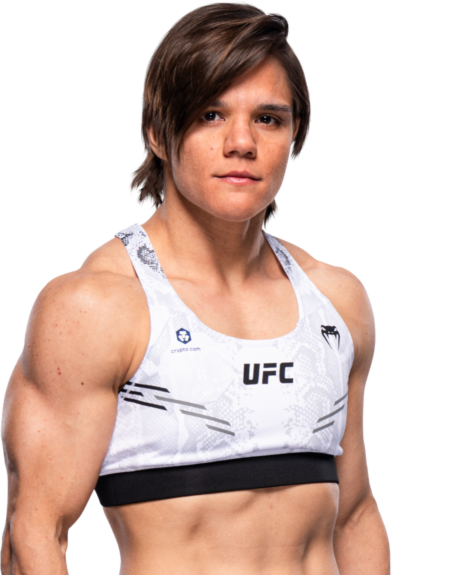 Ariane Carnelossi
« Sorriso »
Ariane Carnelossi
« Sorriso »
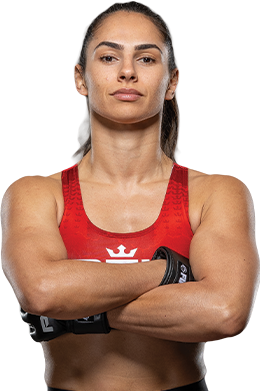 Ariane Lipski da Silva
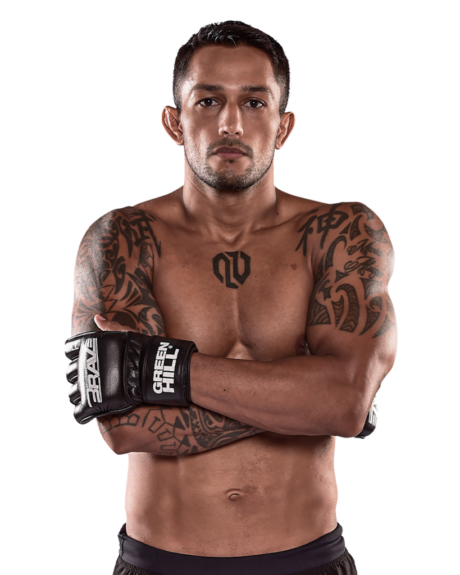 Arlen Ribeiro
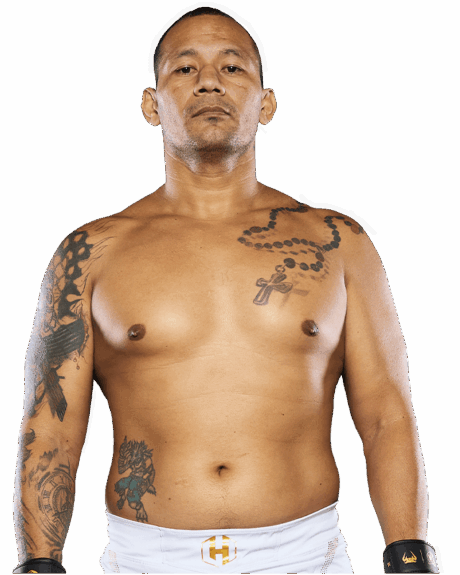 Arley Figueiredo
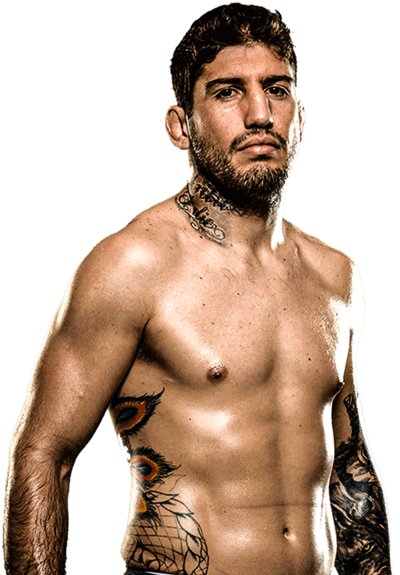 Arthur Estrazulas
 Augusto Mendes
« Tanquinho »
Augusto Mendes
« Tanquinho »
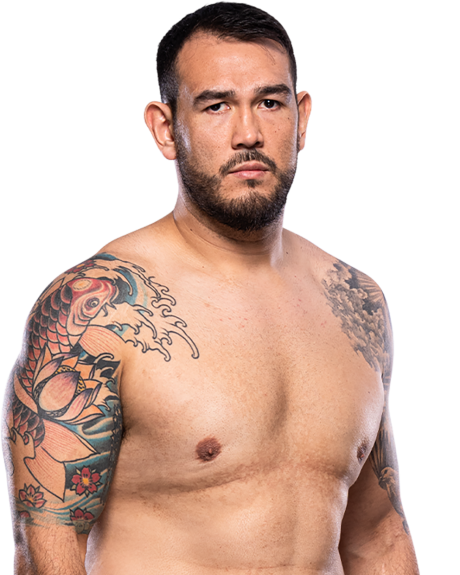 Augusto Sakai
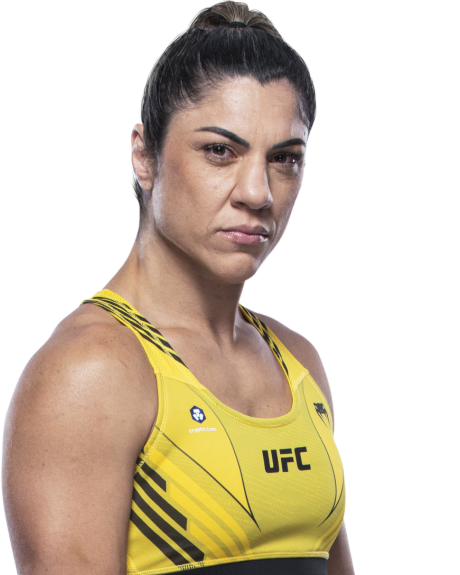 Bethe Correia
« Pitbull »
Bethe Correia
« Pitbull »
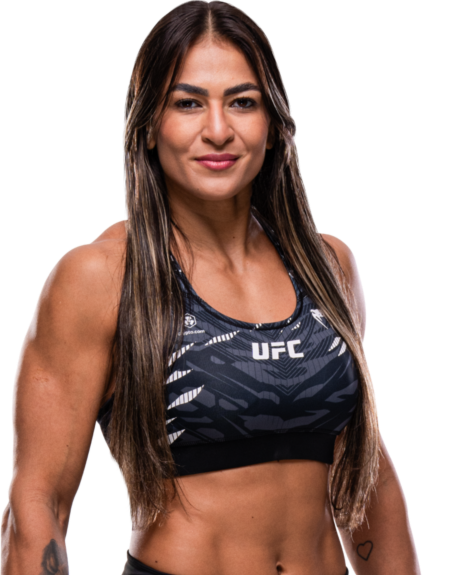 Bia Mesquita
« The Lady Goat »
Bia Mesquita
« The Lady Goat »
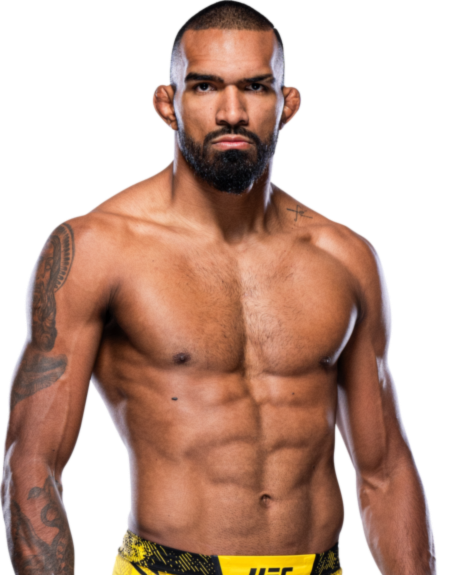 Brendson Ribeiro
« The Gorilla »
Brendson Ribeiro
« The Gorilla »
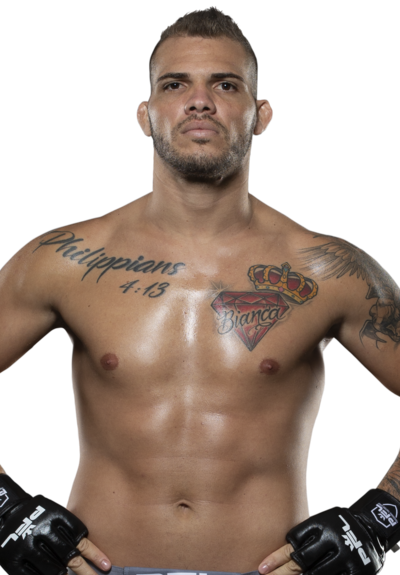 Bruce Souto
« Soldado de Cristo »
Bruce Souto
« Soldado de Cristo »
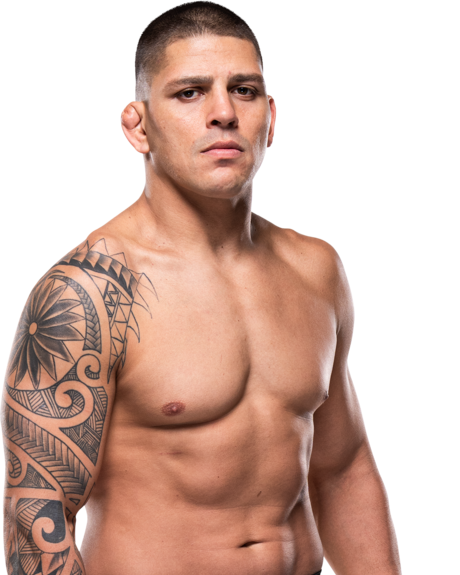 Brunno Ferreira
« The Hulk »
Brunno Ferreira
« The Hulk »
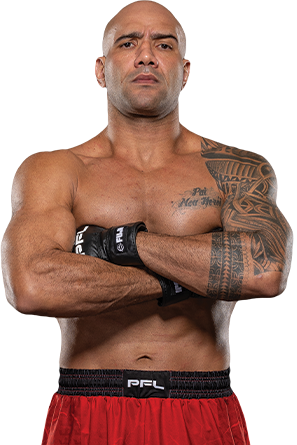 Bruno Cappelozza
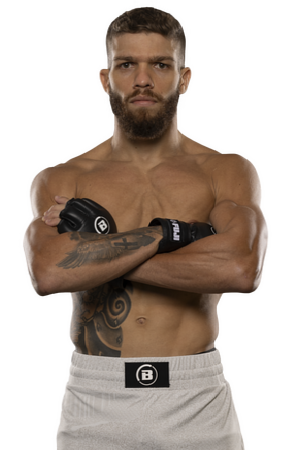 Bruno Fontes
« CARPA »
Bruno Fontes
« CARPA »
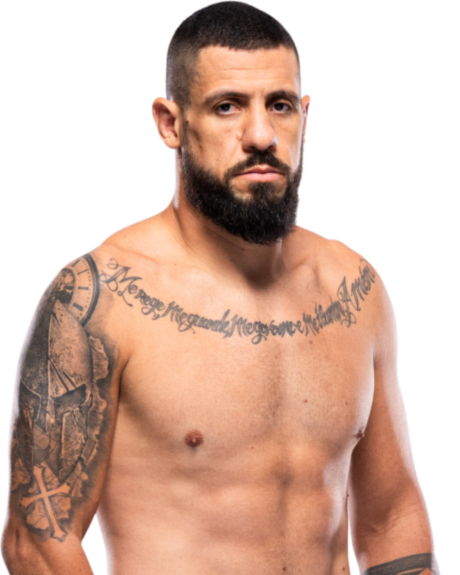 Bruno Lopes
« The Brazilian Cowboy »
Bruno Lopes
« The Brazilian Cowboy »
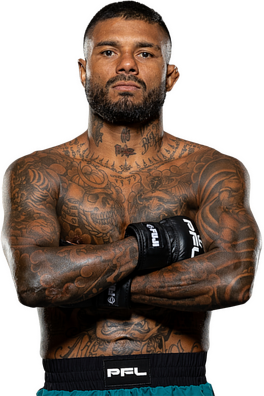 Bruno Miranda
« ROBUSTO »
Bruno Miranda
« ROBUSTO »
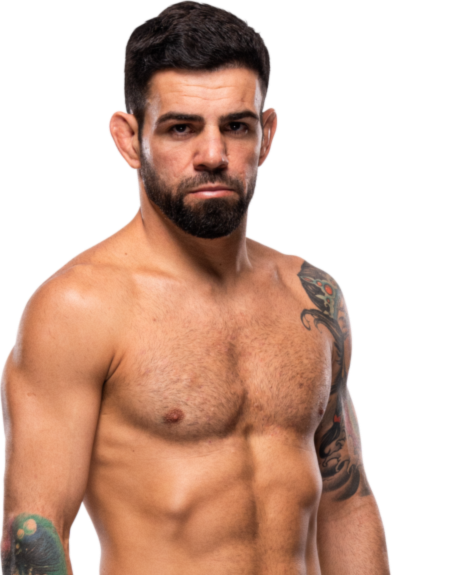 Bruno Silva
« Bulldog »
Bruno Silva
« Bulldog »
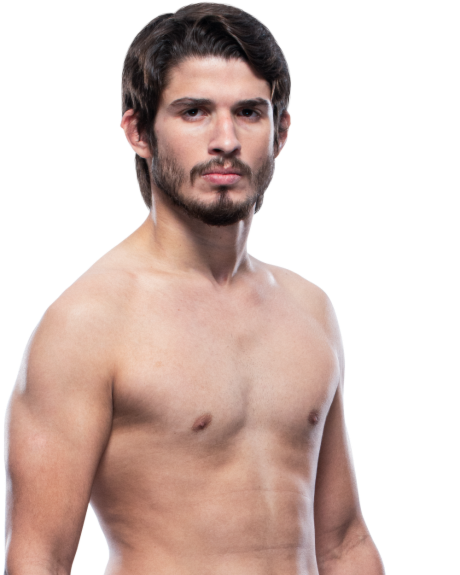 Bruno Souza
« The Tiger »
Bruno Souza
« The Tiger »
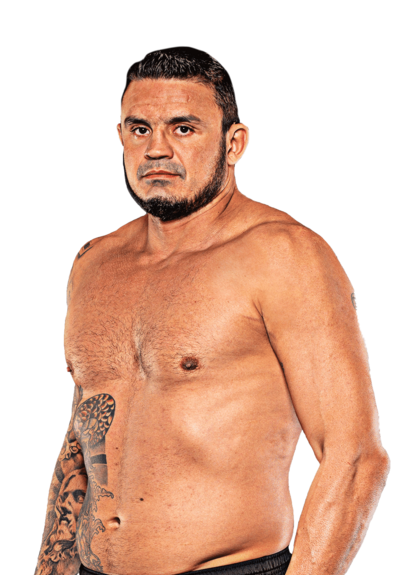 Caio Alencar
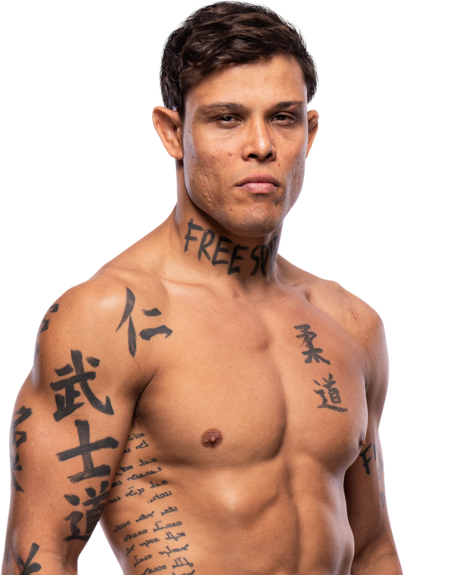 Caio Borralho
« The Natural »
Caio Borralho
« The Natural »
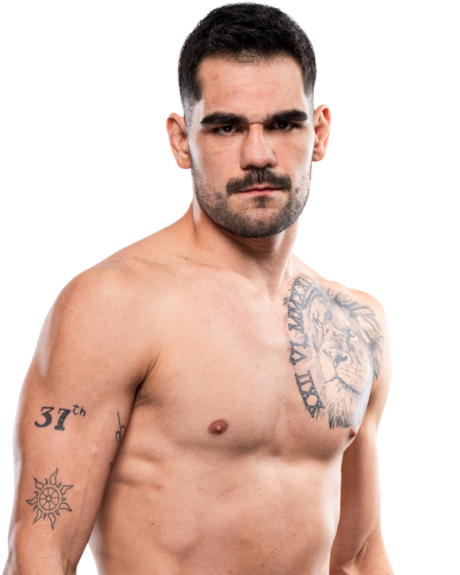 Caio Machado
« Bigfoot »
Caio Machado
« Bigfoot »
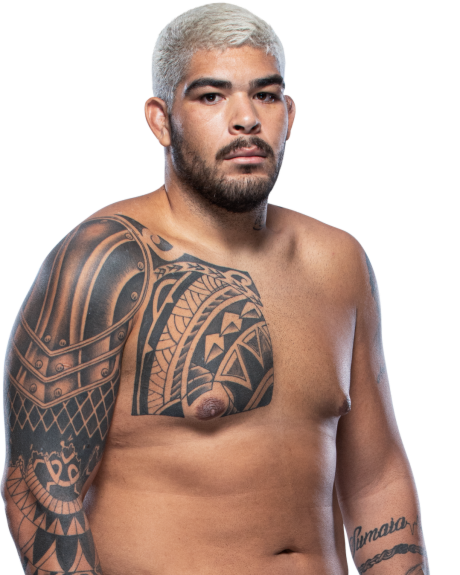 Carlos Felipe
« Boi »
Carlos Felipe
« Boi »
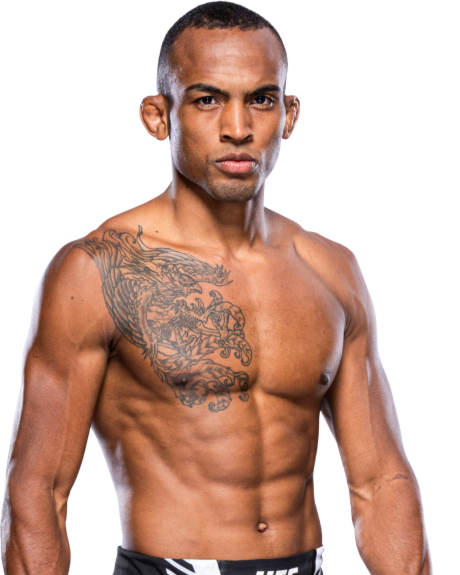 Carlos Mota
« Tizil »
Carlos Mota
« Tizil »
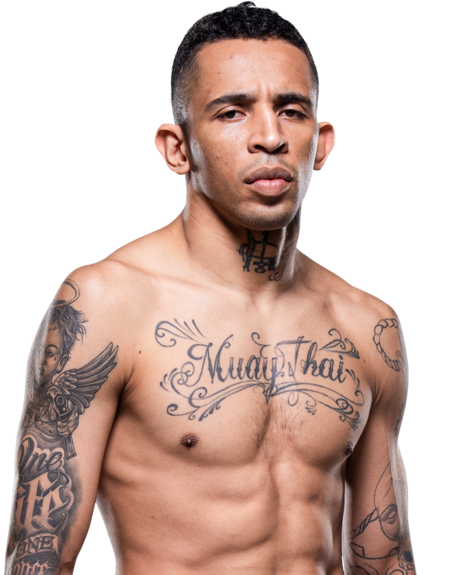 Carlos Prates
« The Nightmare »
Carlos Prates
« The Nightmare »
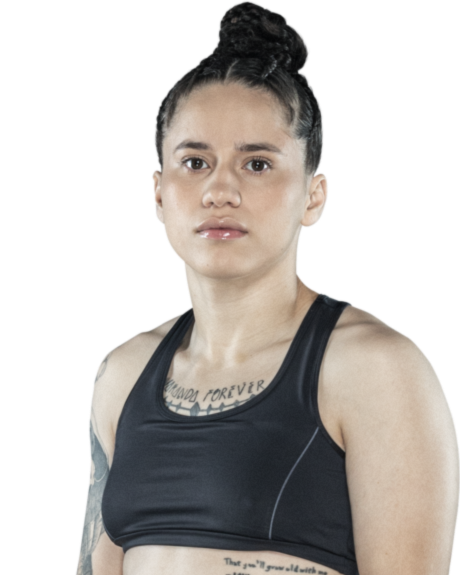 Carol Foro
« Anabelle »
Carol Foro
« Anabelle »
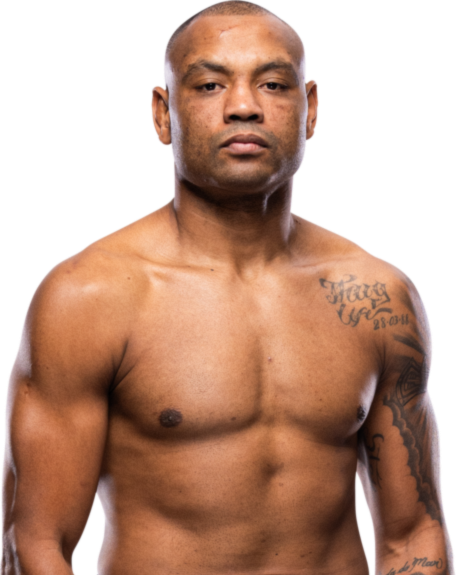 Cesar Almeida
« Cesinha »
Cesar Almeida
« Cesinha »
Full fight history, live rankings, upcoming cards and head-to-head comparisons. Free on iOS and Android.