

Country
Brazil is one of the two countries where mixed martial arts was invented rather than imported. Long before the sport had a name, unified rules or weight classes, Brazilian fighters were meeting in open-weight contests that pitted one discipline against another — and the lessons learned in those contests still shape how the sport is fought everywhere else.
The Brazilian approach begins on the ground. Jiu-jitsu, adapted in Brazil from judo across the first half of the twentieth century, was built for exactly the problem mixed martial arts poses: what a fighter does when the contest leaves its feet. Its answer — control from the bottom as well as the top, submissions from positions that look like defeat — gave the country an entire generation of fighters who were never out of a fight while conscious.
Luta livre grew alongside it as a rival grappling tradition, without the gi and with a different attachment to leg attacks. The rivalry between the two was sharp for decades, and the sport is better for it: fighters who had to prepare for both styles arrived at something broader than either.
Striking came into the mix through muay thai, adopted in Brazilian gyms with an emphasis on clinch work, knees and forward pressure that suited the country's temperament for coming forward. The combination of a grappler who does not fear the ground and a striker who does not fear the pocket is what most people mean when they call a fighter Brazilian.
Brazilian fighters cluster around a small number of teams with long lineages, and those teams train in distinct ways. Some are grappling houses where the striking is built on top of a mat game; others are striking academies that added wrestling. A fighter's team therefore predicts a great deal about how they fight, which is why the gym is worth reading on a profile before the record is.
Rio de Janeiro, São Paulo, Curitiba and the northern city of Manaus each produced their own scenes, and their fighters do not all resemble one another. The pages below list every Brazilian fighter in the catalogue, with the gym, the weight class and how each of their last five fights ended.
How this roster is spread across the weight classes. Follow a division to see its fighters from every country and every promotion.
The gyms that train more than one fighter on this page. Each one has its own hub, with the full roster it has produced.
The cities that keep turning out fighters. No links here on purpose — a page per city would be a dead end. It is context, not navigation.
51–100 of 261 fighters
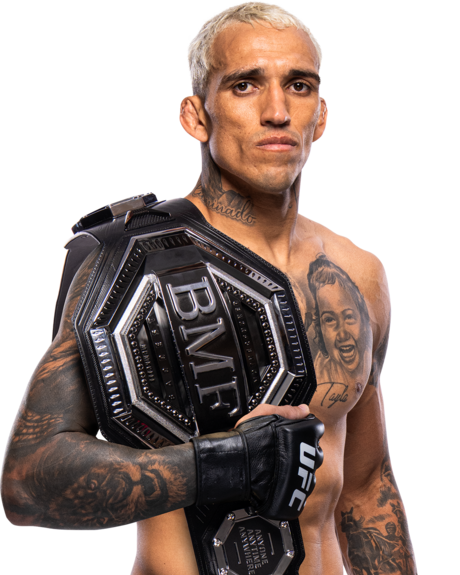 Charles Oliveira
« Do Bronxs »
Charles Oliveira
« Do Bronxs »
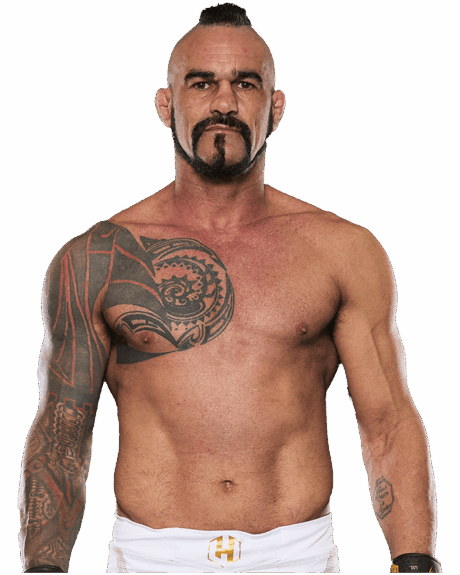 Claudio Rocha
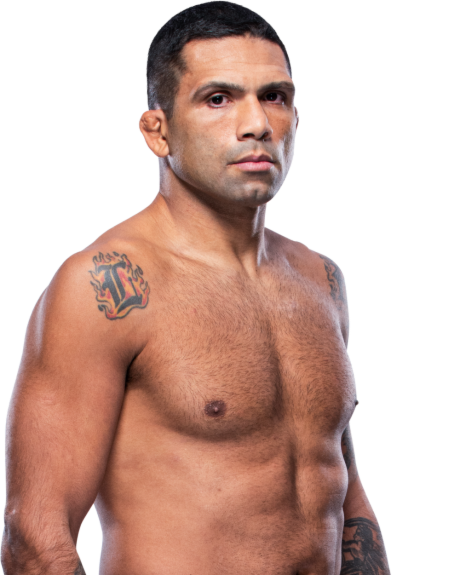 Claudio Silva
« Hannibal »
Claudio Silva
« Hannibal »
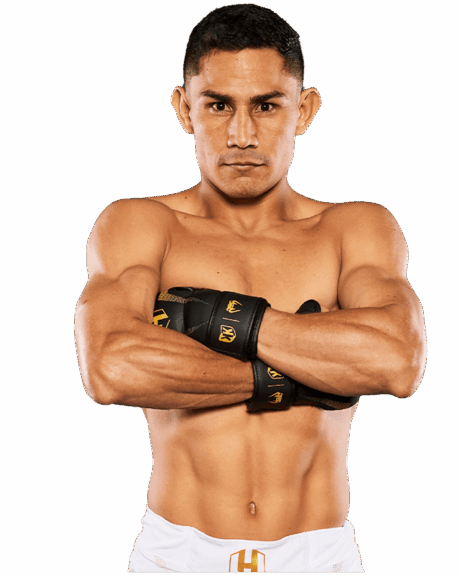 Cleiton Monteiro
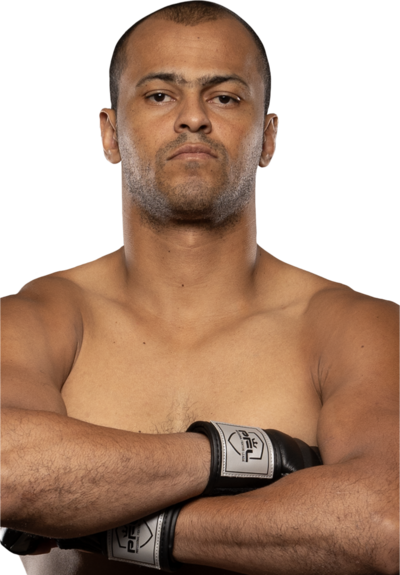 Cleiton Silva
« PREDATOR »
Cleiton Silva
« PREDATOR »
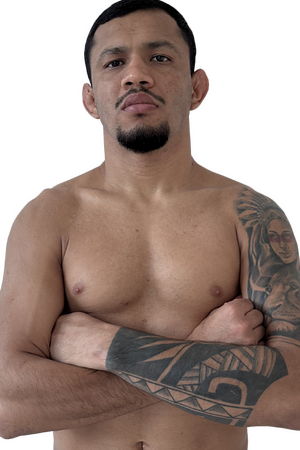 Cleiver Fernandes
 Cris Cyborg
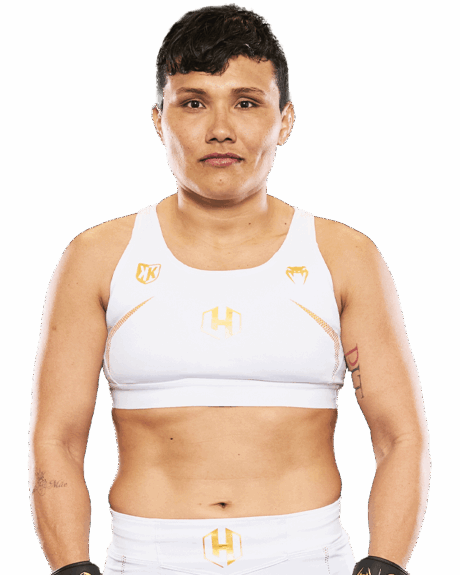 Daiane Cardoso
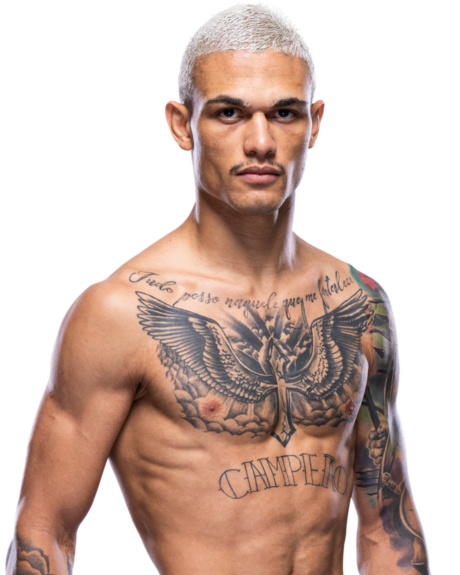 Daniel Lacerda
« Miojo »
Daniel Lacerda
« Miojo »
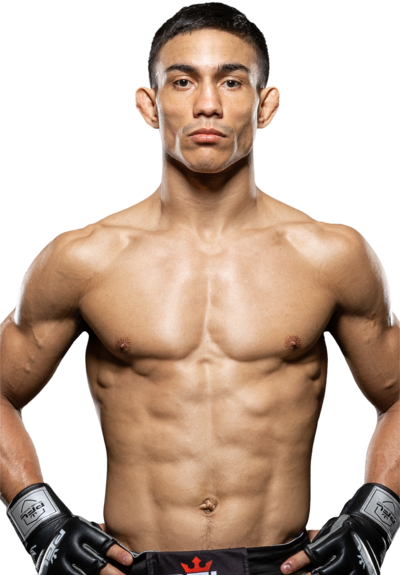 Daniel Torres
« Tucanão »
Daniel Torres
« Tucanão »
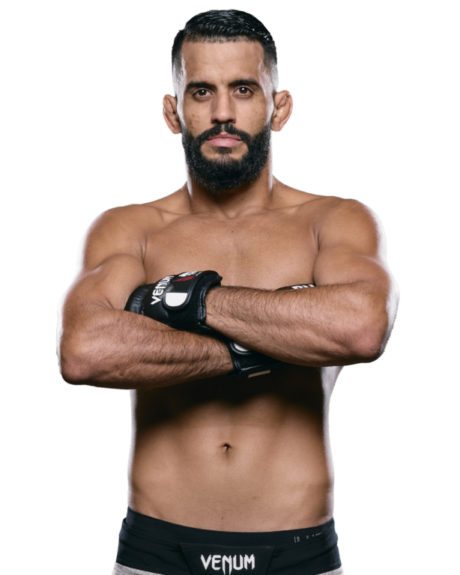 Danillo Santos
« QUADRADA »
Danillo Santos
« QUADRADA »
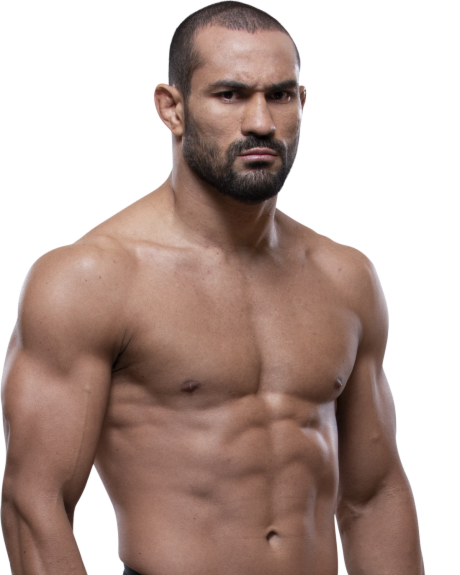 Davi Ramos
« The Tasmanian Devil »
Davi Ramos
« The Tasmanian Devil »
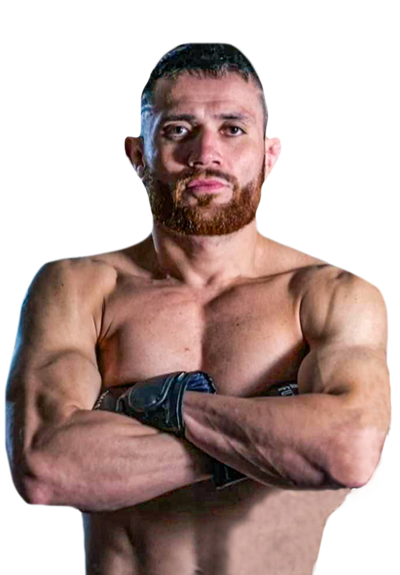 David Alex Valente
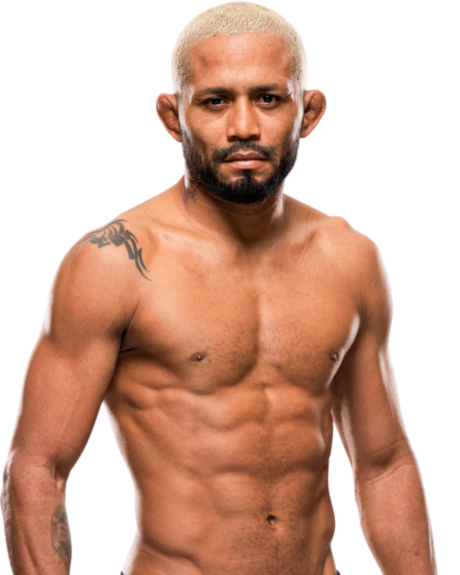 Deiveson Figueiredo
« Deus da Guerra »
Deiveson Figueiredo
« Deus da Guerra »
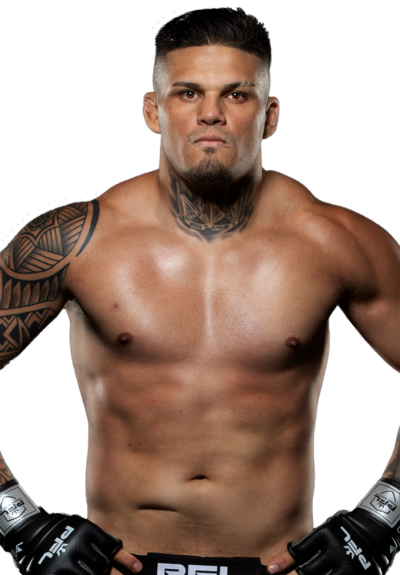 Delan Monte
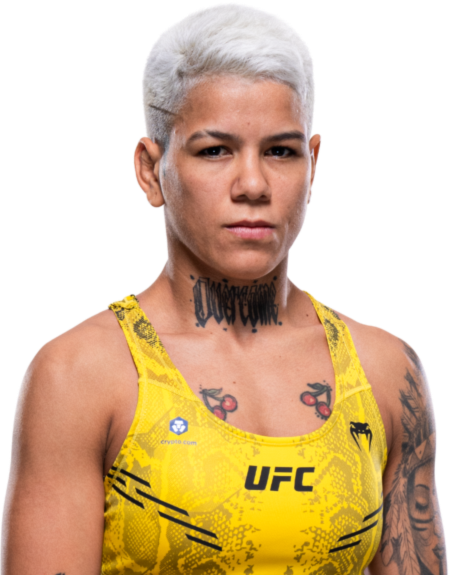 Denise Gomes
« Dee »
Denise Gomes
« Dee »
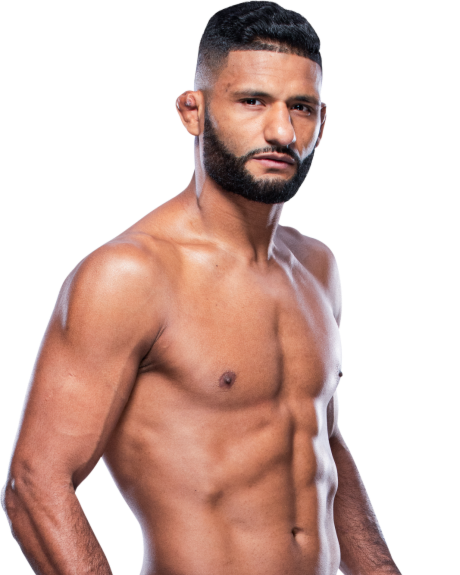 Dhiego Lima
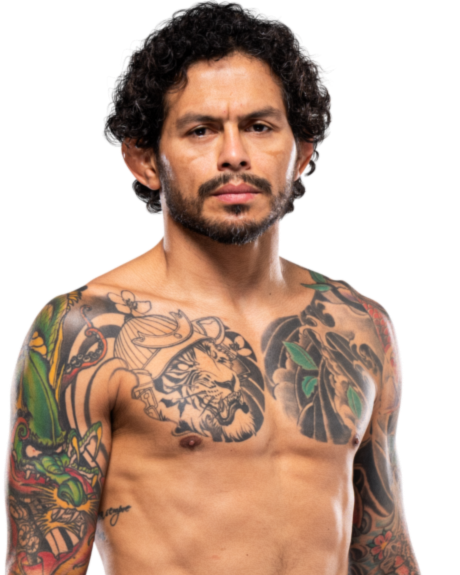 Diego Ferreira
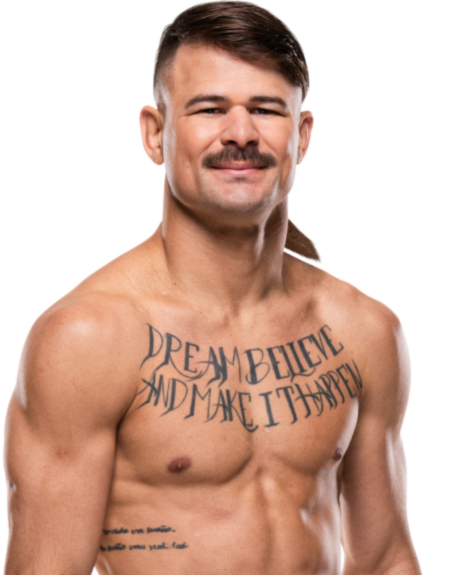 Diego Lopes
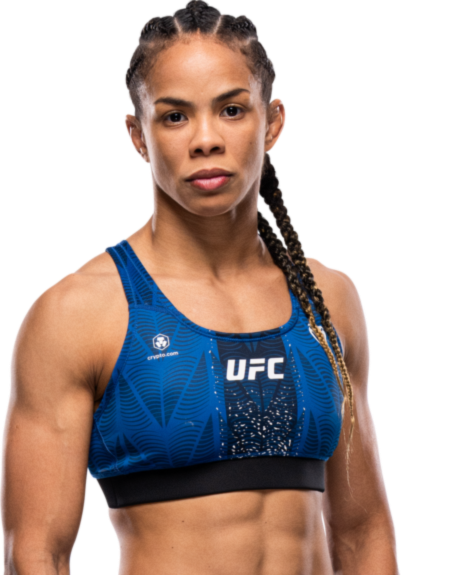 Dione Barbosa
« The Witch »
Dione Barbosa
« The Witch »
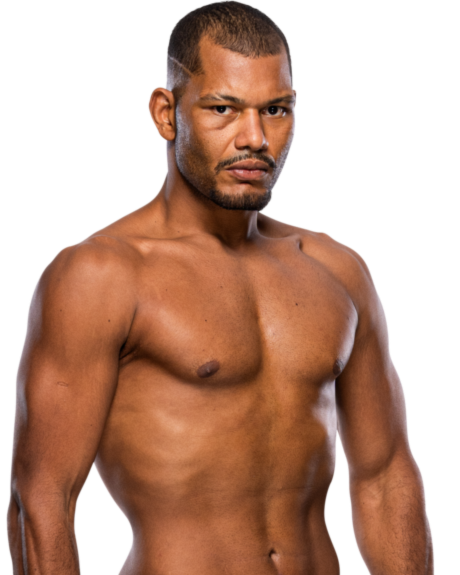 Djorden Santos
« Shakur »
Djorden Santos
« Shakur »
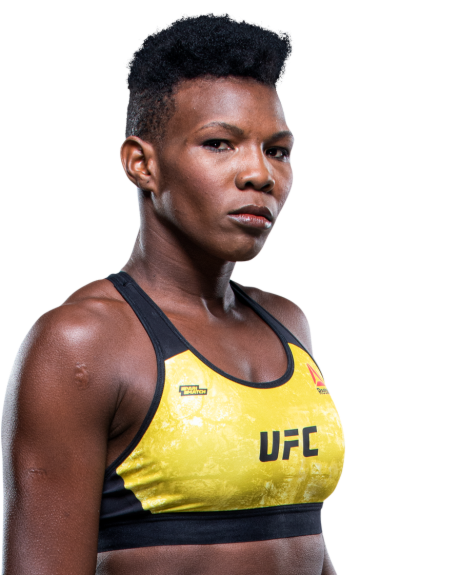 Duda Santana
« Cowboyzinha »
Duda Santana
« Cowboyzinha »
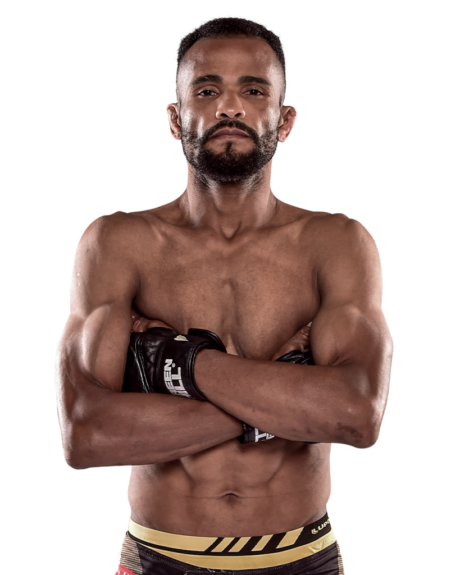 Edilceu Alves
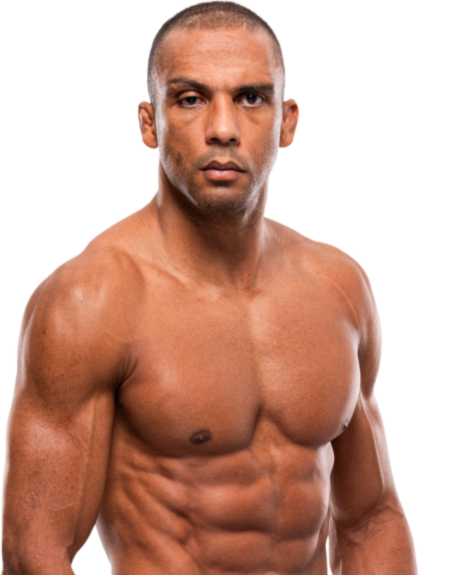 Edson Barboza
« Junior »
Edson Barboza
« Junior »
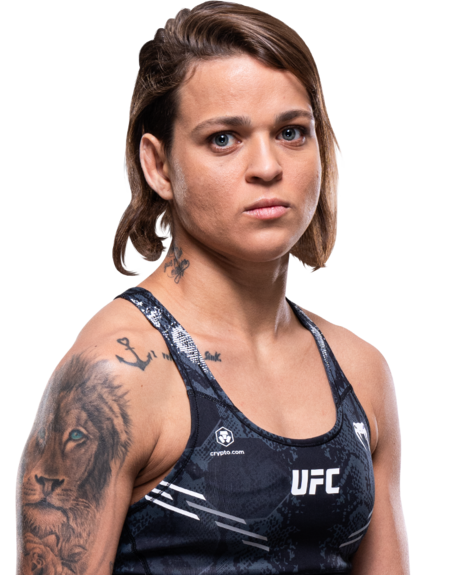 Eduarda Moura
« Ronda »
Eduarda Moura
« Ronda »
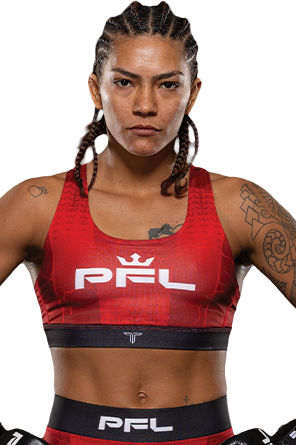 Elora Dana
« Onca Negra »
Elora Dana
« Onca Negra »
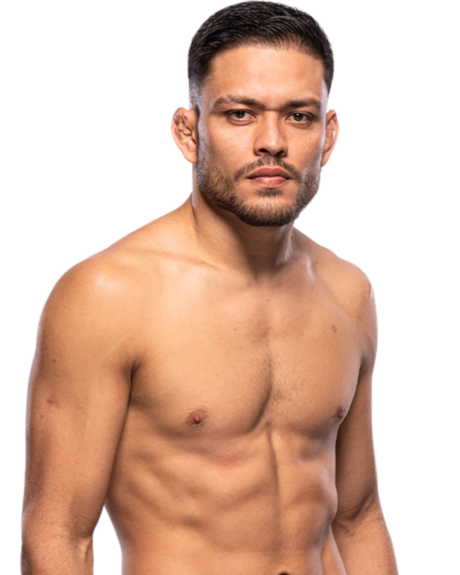 Elves Brener
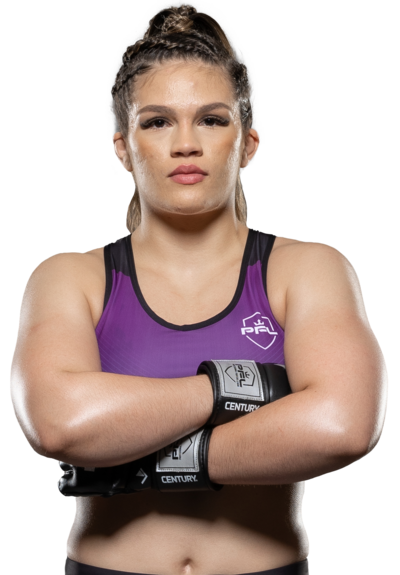 Evelyn Martins
« SPARTAN »
Evelyn Martins
« SPARTAN »
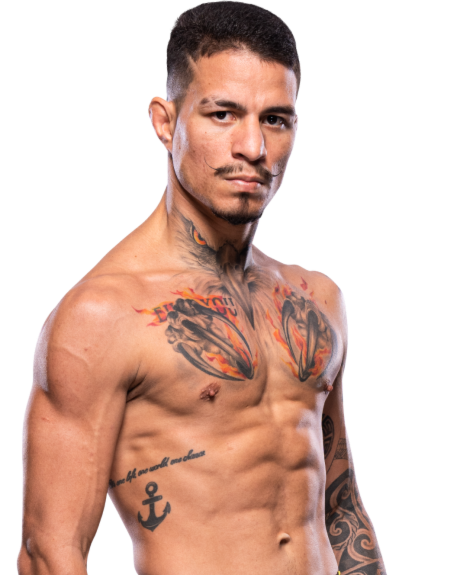 Felipe Colares
« Cabocão »
Felipe Colares
« Cabocão »
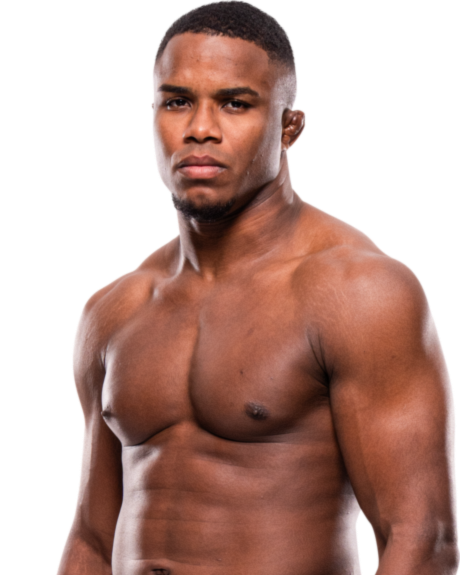 Felipe Franco
« Negao »
Felipe Franco
« Negao »
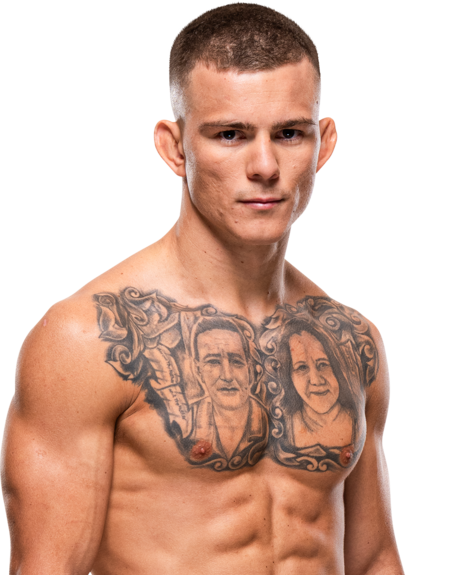 Felipe Lima
« Jungle Boy »
Felipe Lima
« Jungle Boy »
 Felipe Silva
« Sorriso »
Felipe Silva
« Sorriso »
 Francimar Barroso
« Bodão »
Francimar Barroso
« Bodão »
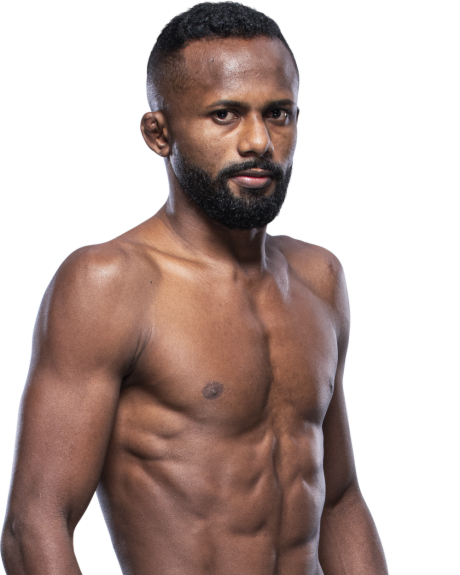 Francisco Figueiredo
« Sniper »
Francisco Figueiredo
« Sniper »
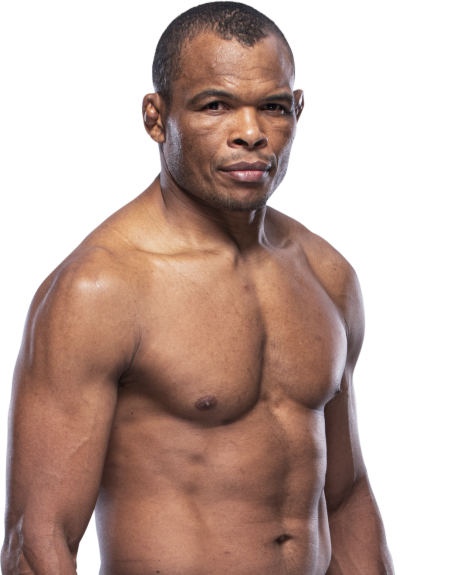 Francisco Trinaldo
« Massaranduba »
Francisco Trinaldo
« Massaranduba »
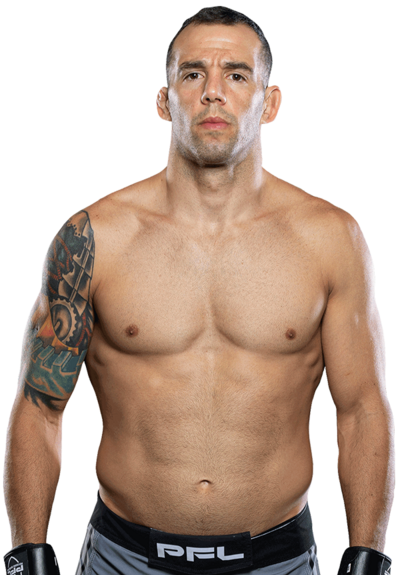 Freddy Assuncao
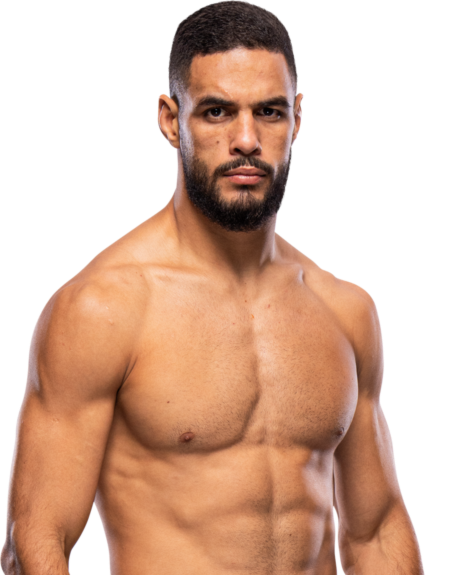 Gabriel Bonfim
« Marretinha »
Gabriel Bonfim
« Marretinha »
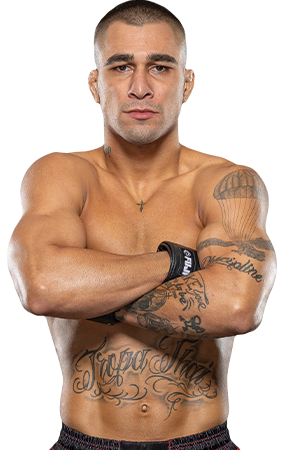 Gabriel Braga
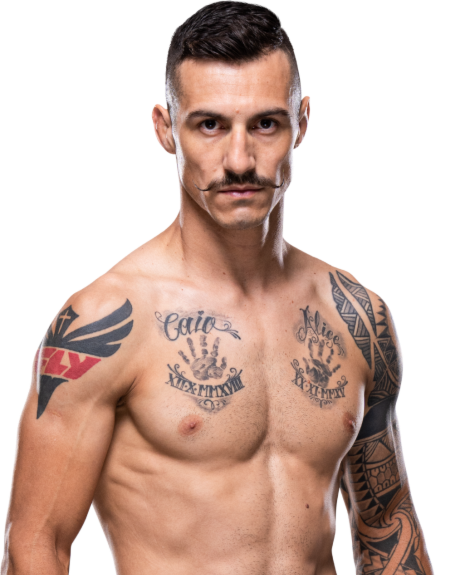 Gabriel Miranda
« Fly »
Gabriel Miranda
« Fly »
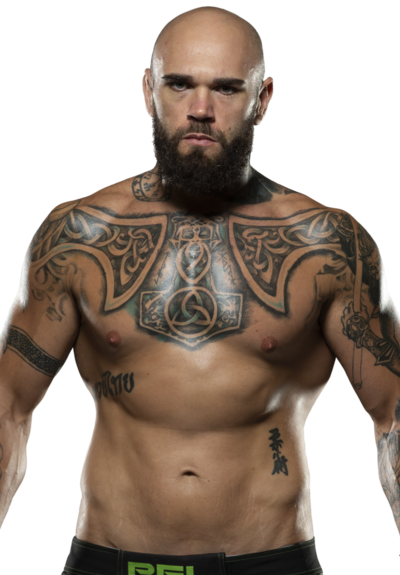 Giacomo Lemos
« VIKING »
Giacomo Lemos
« VIKING »
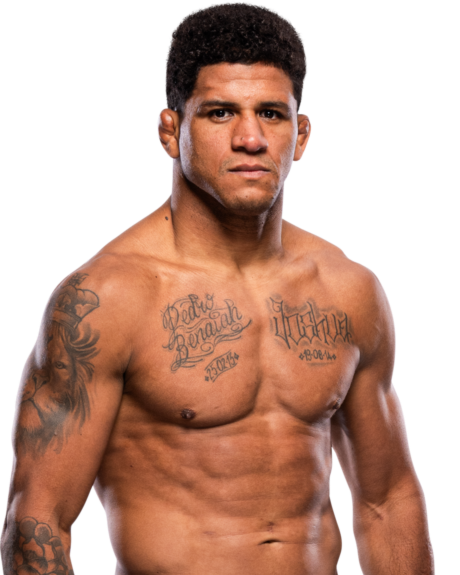 Gilbert Burns
« Durinho »
Gilbert Burns
« Durinho »
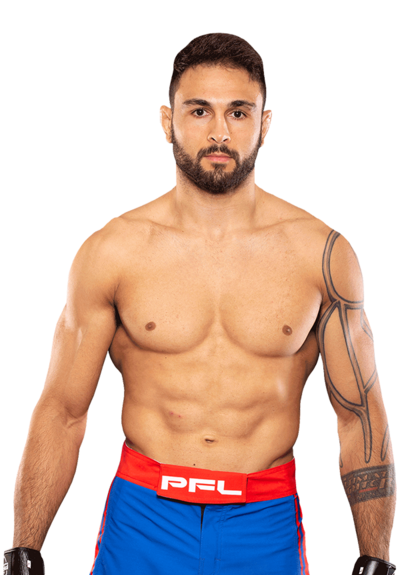 Glaico Franca
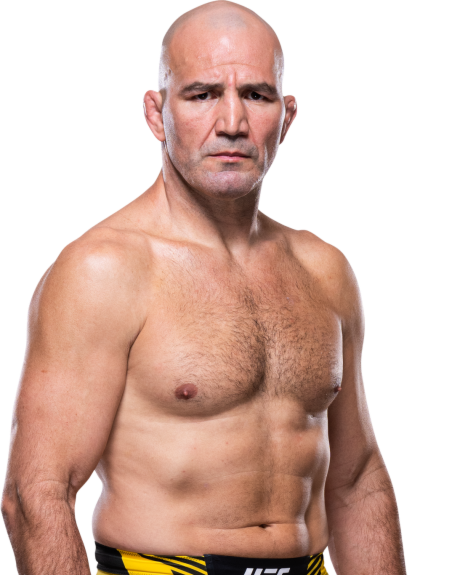 Glover Teixeira
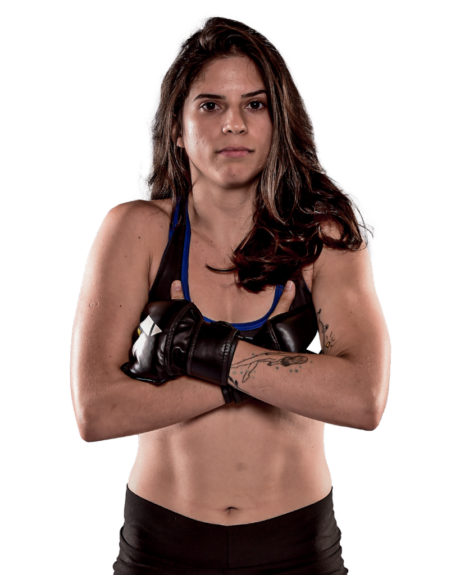 Gracy Maia
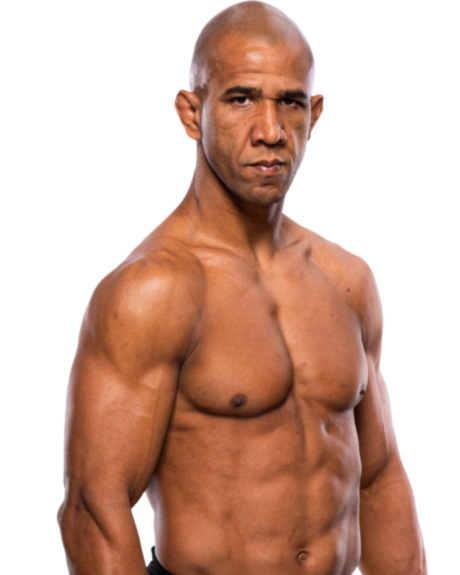 Gregory Rodrigues
« Robocop »
Gregory Rodrigues
« Robocop »
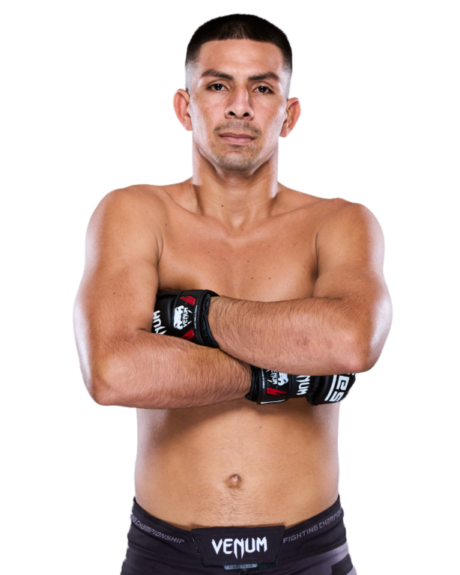 Guilherme Gomes
« Shimaru »
Guilherme Gomes
« Shimaru »
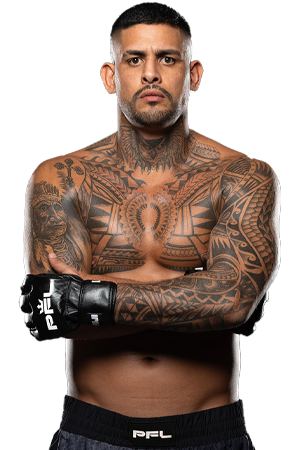 Guilherme Soares
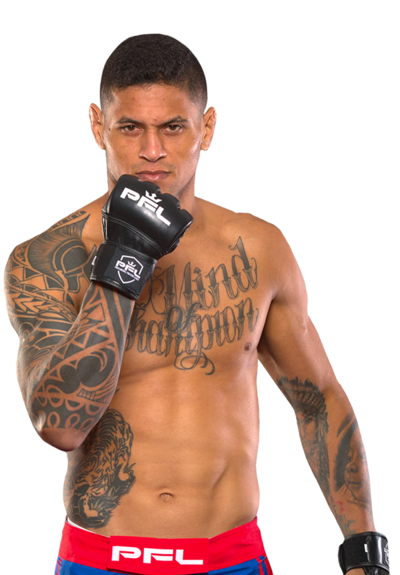 Handesson Ferreira
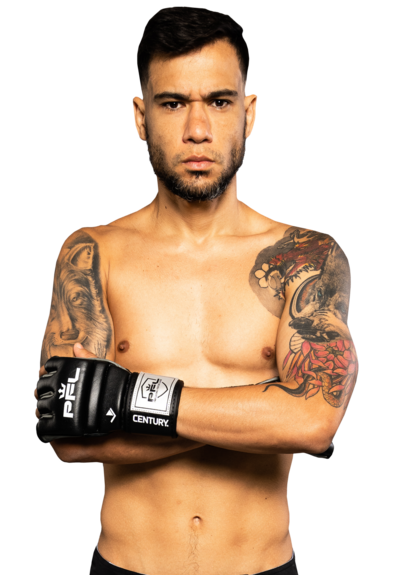 Henrique Madureira
« MAD MAX »
Henrique Madureira
« MAD MAX »
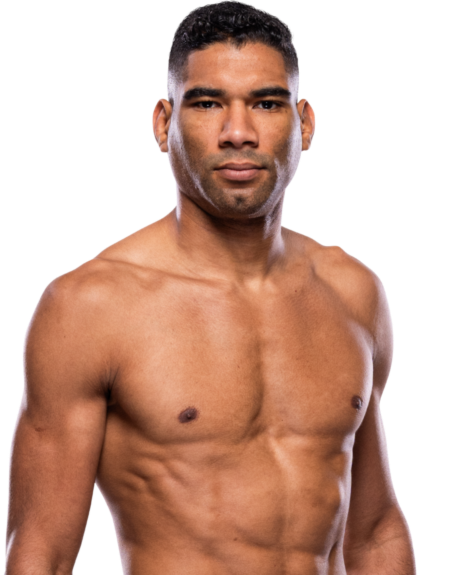 Herbert Burns
« The Blaze »
Herbert Burns
« The Blaze »
Full fight history, live rankings, upcoming cards and head-to-head comparisons. Free on iOS and Android.