

Organization
The PFL is built around an idea that separates it from almost every other mixed martial arts promotion: instead of matchmaking one fight at a time, it runs a season.
Fighters compete in a regular season, accumulate points, and the standings decide who advances to a knockout stage that ends in a final. The structure is borrowed from team sport rather than from boxing, and it answers a complaint that has followed mixed martial arts since the beginning — that who fights whom, and who gets a title shot, is a matter of judgement rather than of results.
The points reward finishing. A fighter who wins early scores more than a fighter who wins on the cards, which changes how bouts are approached: taking a decision may be enough to win the night and not enough to survive the season. Watching a season-format fight with that in mind explains decisions that would look reckless under normal matchmaking.
The format has a visible consequence on the pages below. A fighter in a season can face several opponents inside a single calendar year, which is a faster cadence than most promotions ask for, and their record fills up accordingly. Reading dates matters here more than usual: a run of bouts a few months apart is the format working as designed, not a fighter being rushed.
Bouts follow the Unified Rules of MMA, contested over three five-minute rounds with five for finals and championship fights, in the standard weight classes from the same rulebook.
The season structure also changes who a promotion signs. A league needs a full field at every weight it runs, at the same time, which favours fighters who can be relied on to make weight and to show up on a schedule rather than specialists brought in for one matchup. The rosters below tend to reflect that.
The pages below list every fighter in this catalogue whose most recent bout was in the PFL, with their weight class, their record and how each of their last five fights ended.
Every event page lists the full bout order, the fighters and their records, and every result once the night is over.
How this roster is spread across the weight classes. Follow a division to see its fighters from every country and every promotion.
The gyms that train more than one fighter on this page. Each one has its own hub, with the full roster it has produced.
The nationalities on this page. Each country has its own hub, with the fighters it has produced across all promotions.
101–150 of 388 fighters
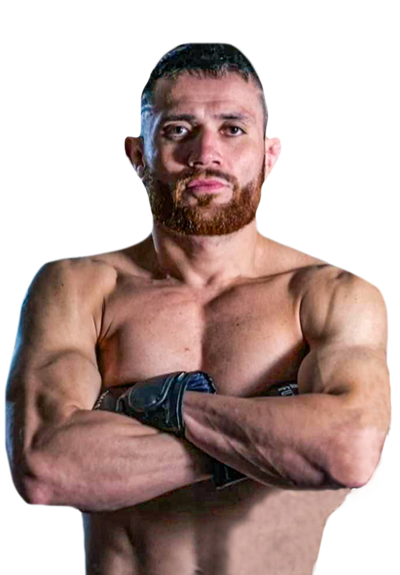 David Alex Valente
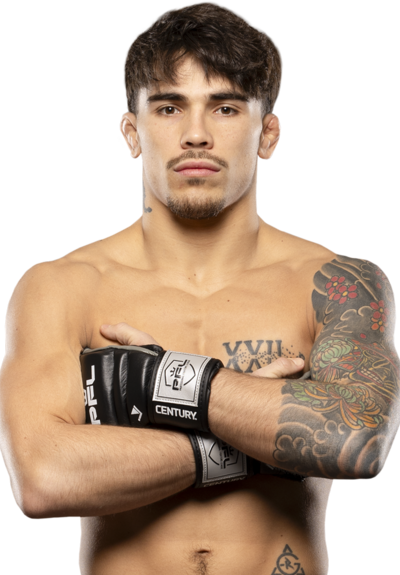 David Tonatiuh Crol
« TONA »
David Tonatiuh Crol
« TONA »
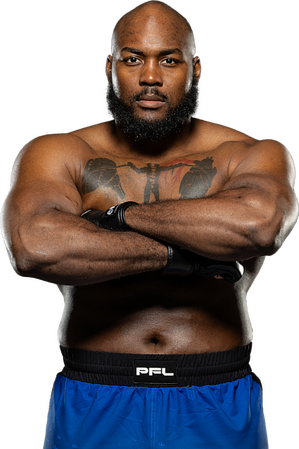 Davion Franklin
« ALL DAY »
Davion Franklin
« ALL DAY »
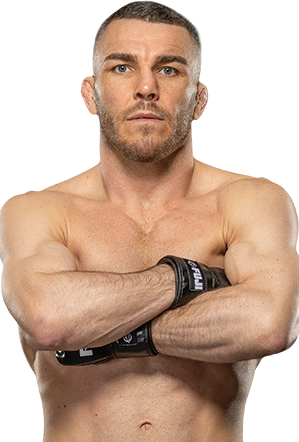 Dean Garnett
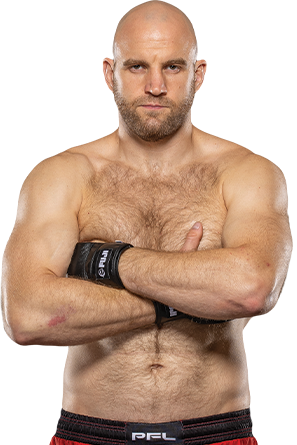 Denis Goltsov
« THE RUSSIAN BOGATYR »
Denis Goltsov
« THE RUSSIAN BOGATYR »
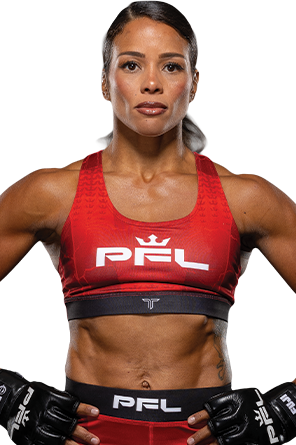 Denise Kielholtz
« MISS DYNAMITE »
Denise Kielholtz
« MISS DYNAMITE »
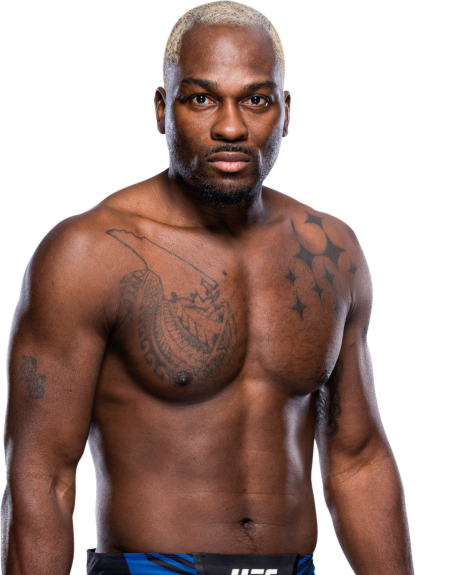 Derek Brunson
« The One »
Derek Brunson
« The One »
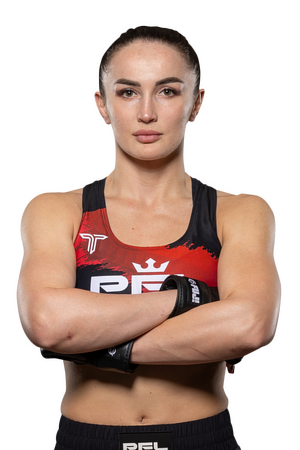 Diana Avsaragova
« PANTERA »
Diana Avsaragova
« PANTERA »
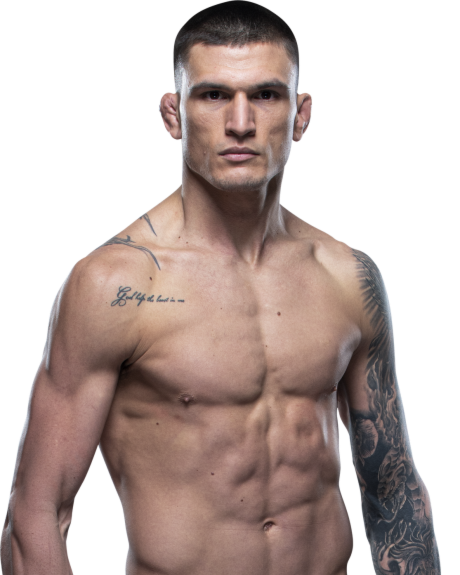 Don Madge
« Magic Man »
Don Madge
« Magic Man »
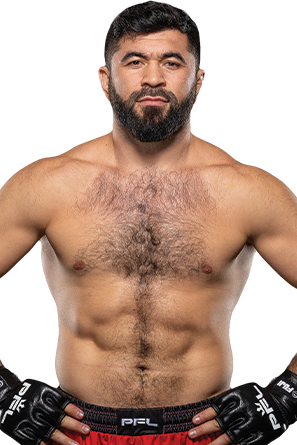 Dovlet Yagshimuradov
« WOLFHOUND »
Dovlet Yagshimuradov
« WOLFHOUND »
 Dylan Tuke
« THE NUKE »
Dylan Tuke
« THE NUKE »
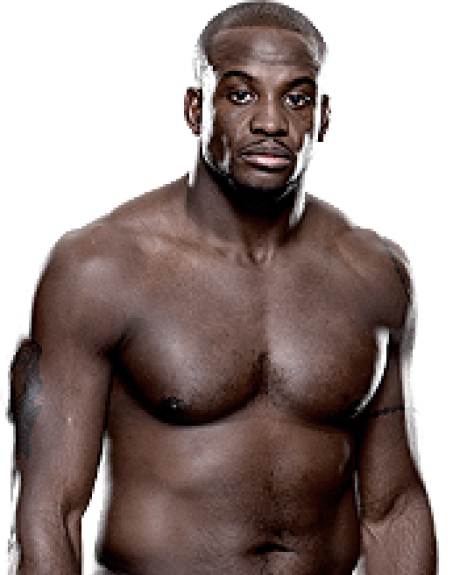 Eddie Gordon
« Truck »
Eddie Gordon
« Truck »
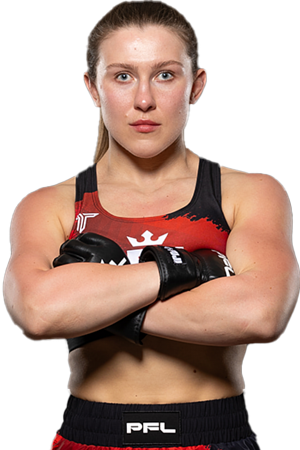 Ekaterina Shakalova
« SHAKA »
Ekaterina Shakalova
« SHAKA »
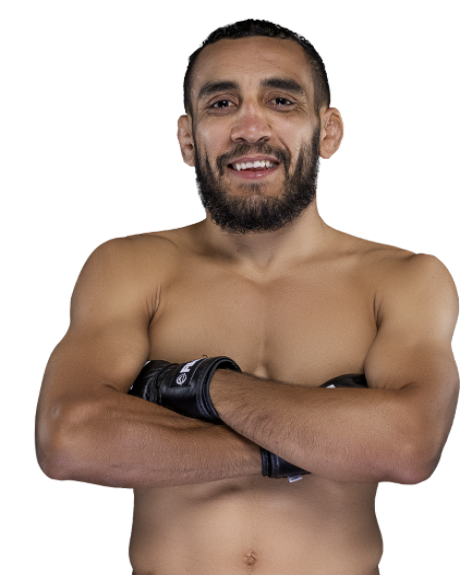 Elias Boudegzdame
« SMILE »
Elias Boudegzdame
« SMILE »
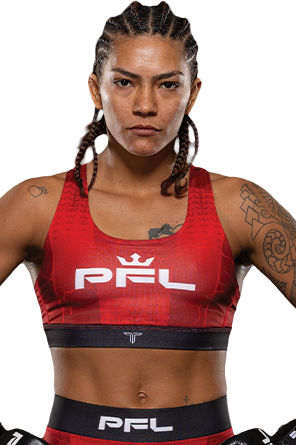 Elora Dana
« Onca Negra »
Elora Dana
« Onca Negra »
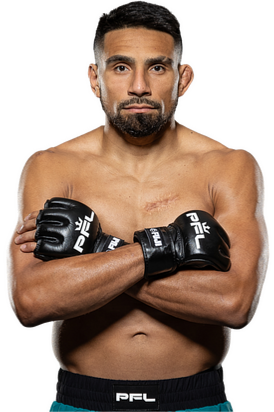 Elvin Espinoza
« THE PRODIGY »
Elvin Espinoza
« THE PRODIGY »
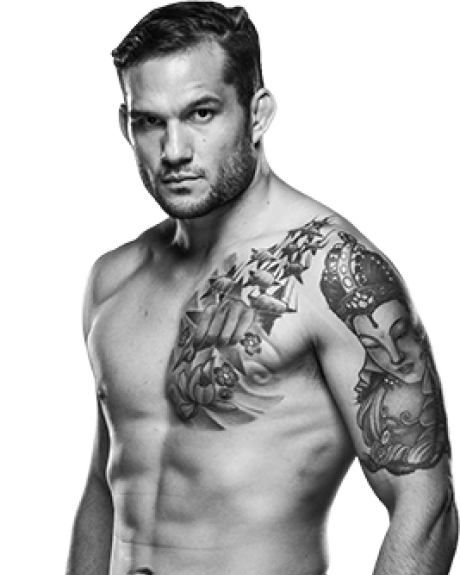 Emiliano Sordi
« He-Man »
Emiliano Sordi
« He-Man »
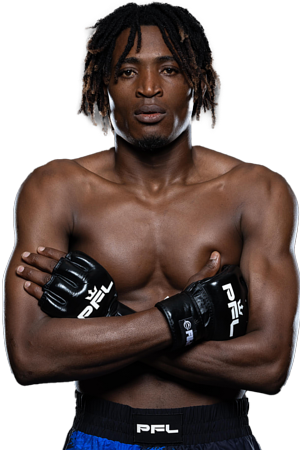 Emilios Dassi
« Le Fils du Prédateur »
Emilios Dassi
« Le Fils du Prédateur »
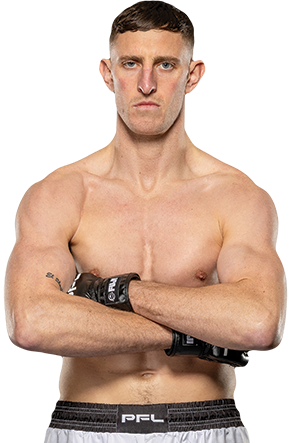 Eoin Sheridan
« THE SHERIFF »
Eoin Sheridan
« THE SHERIFF »
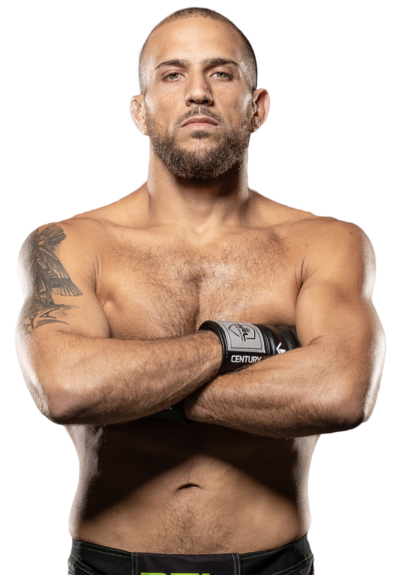 Eric Alequin
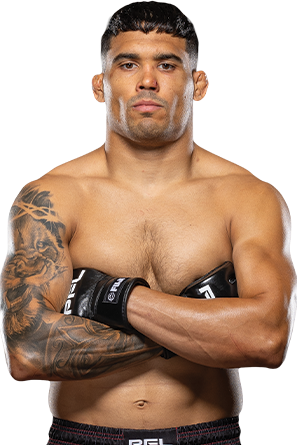 Ernesto Rodriguez
« Starboy »
Ernesto Rodriguez
« Starboy »
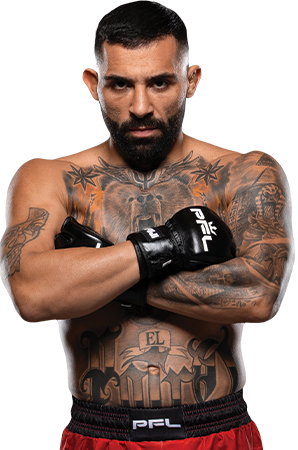 Ernesto Schisano
« El Potro »
Ernesto Schisano
« El Potro »
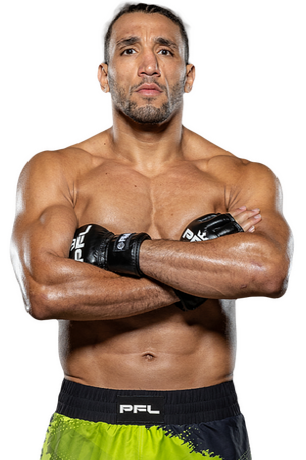 Eslam Abdelbaset
« IRON MAN »
Eslam Abdelbaset
« IRON MAN »
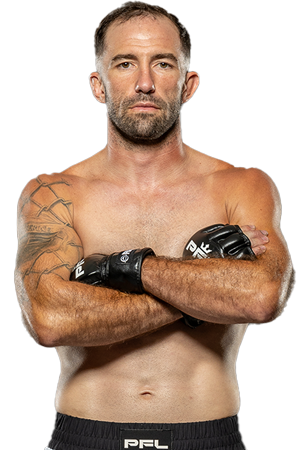 Ethan Goss
« Wolverine »
Ethan Goss
« Wolverine »
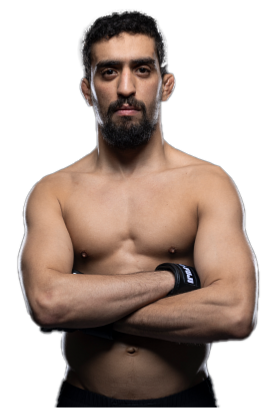 Ezzoubair Bouarsa
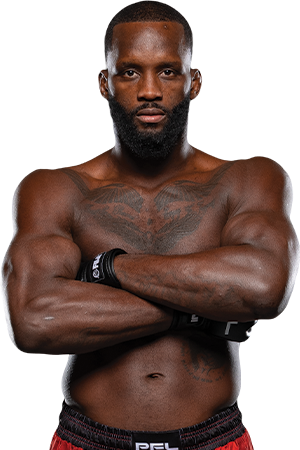 Fabian Edwards
« THE ASSASSIN »
Fabian Edwards
« THE ASSASSIN »
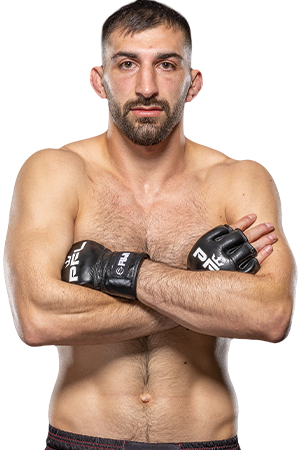 Florim Zendeli
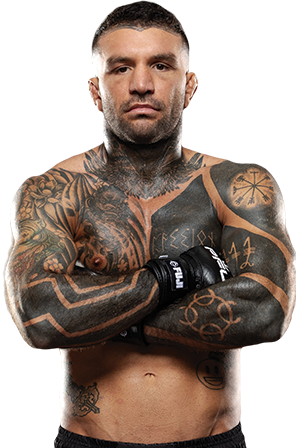 Franco Tenaglia
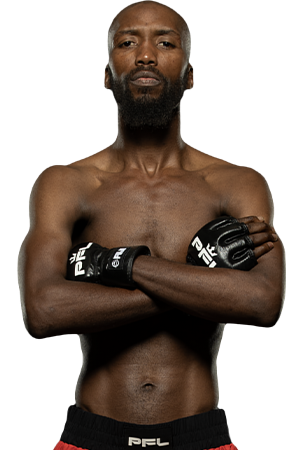 Frans Mlambo
« THE BLACK MAMBA »
Frans Mlambo
« THE BLACK MAMBA »
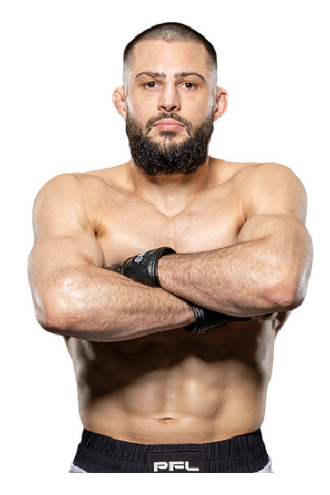 Fred Dupras
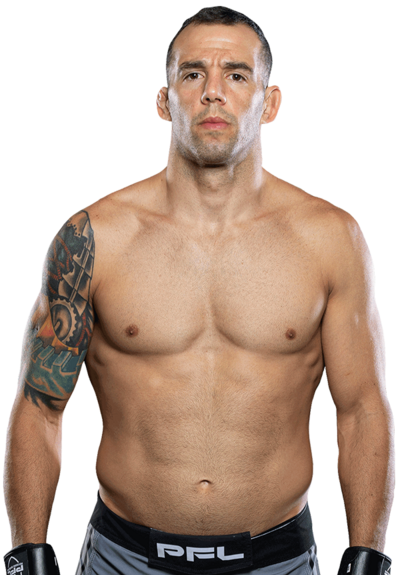 Freddy Assuncao
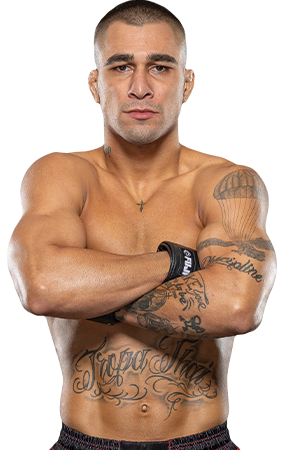 Gabriel Braga
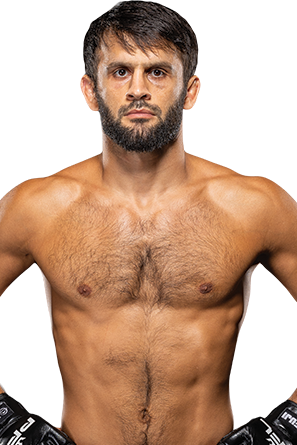 Gadzhi Rabadanov
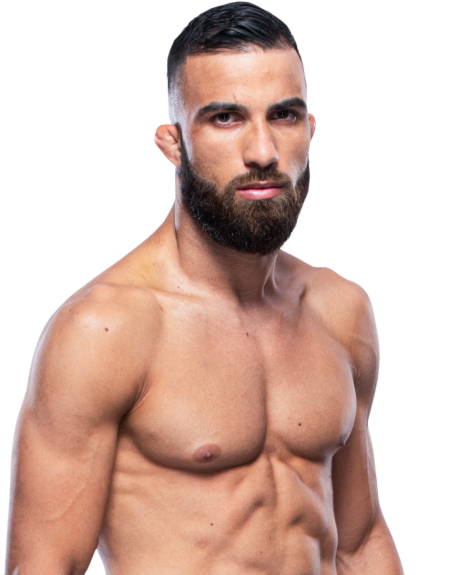 Gaetano Pirrello
« El Tigre »
Gaetano Pirrello
« El Tigre »
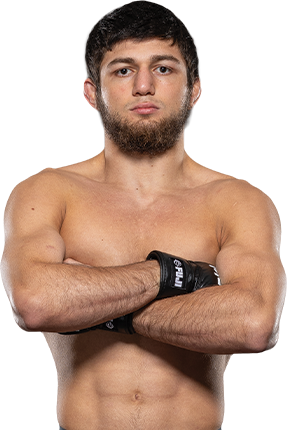 Gamid Khizriev
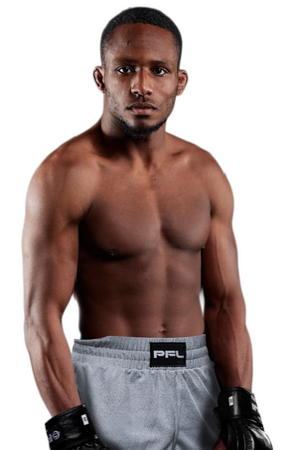 Gerardo Fanny
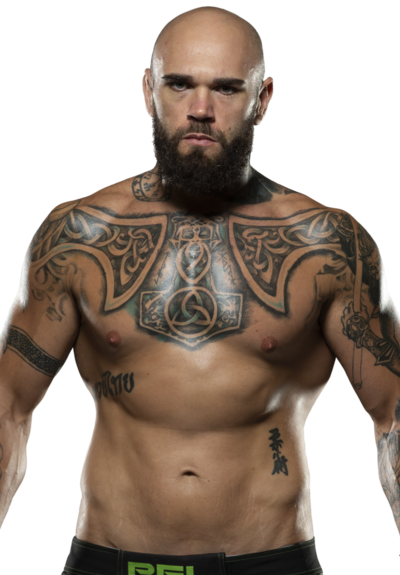 Giacomo Lemos
« VIKING »
Giacomo Lemos
« VIKING »
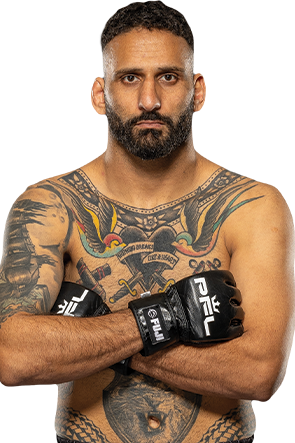 Giannis Bachar
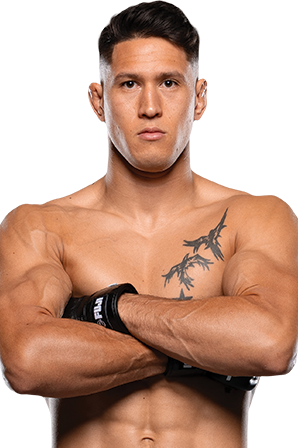 Gino Van Steenis
« The Ghost Assassin »
Gino Van Steenis
« The Ghost Assassin »
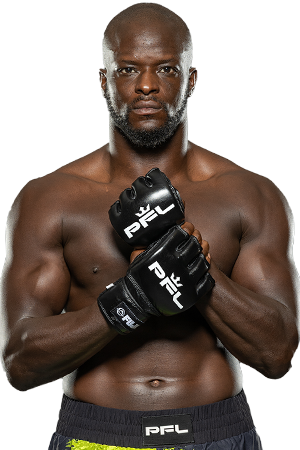 Gregory Babene
« BLADE »
Gregory Babene
« BLADE »
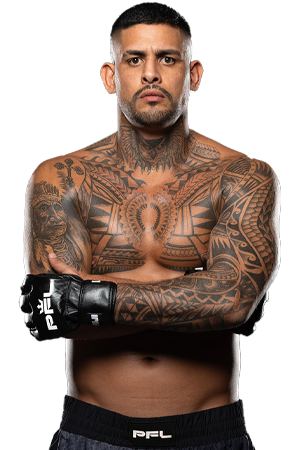 Guilherme Soares
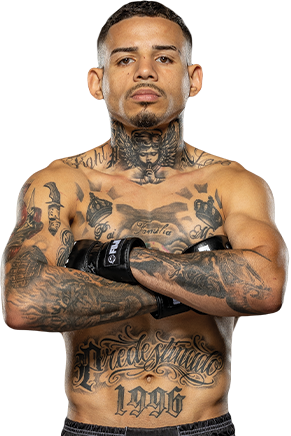 Gustavo Oliveira
« Heart »
Gustavo Oliveira
« Heart »
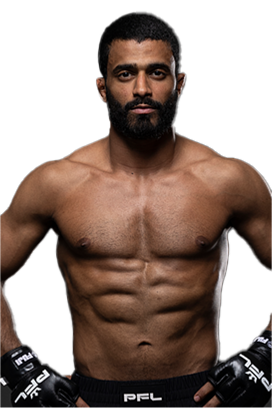 Hadi Omar Al Hussaini
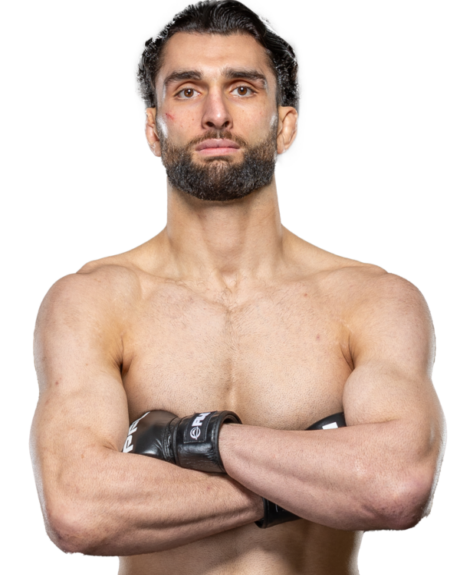 Haider Khan
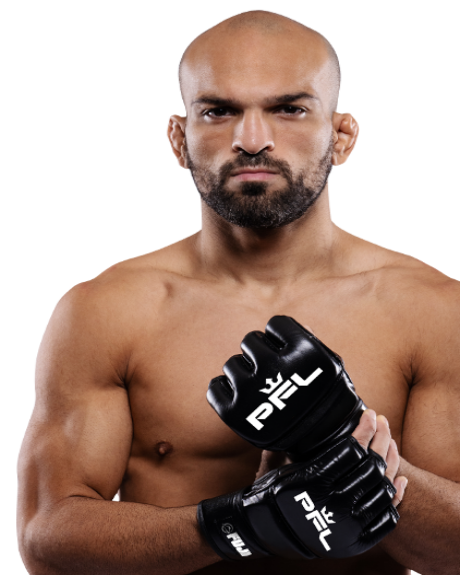 Hamza Kooheji
« THE PRIDE OF BAHRAIN »
Hamza Kooheji
« THE PRIDE OF BAHRAIN »
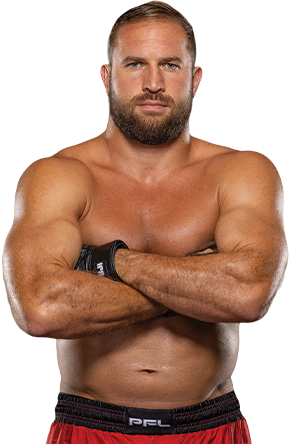 Hasan Mezhiev
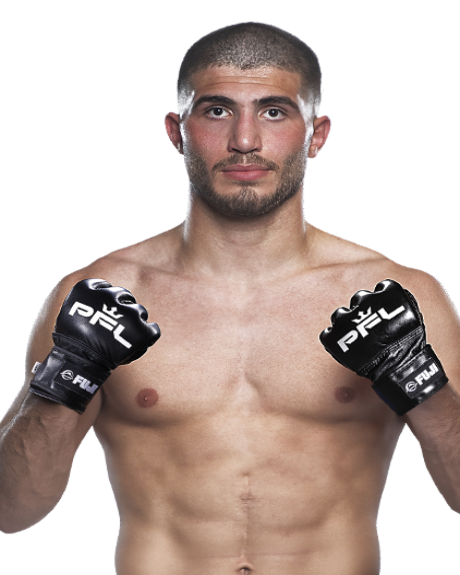 Hassan Shaaban
« DIAZ »
Hassan Shaaban
« DIAZ »
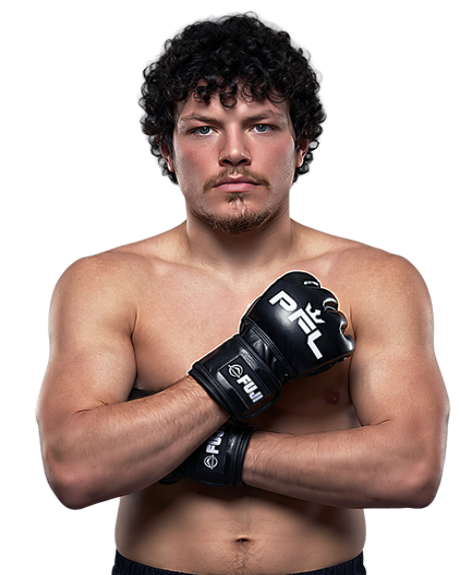 Hazem Kayyali
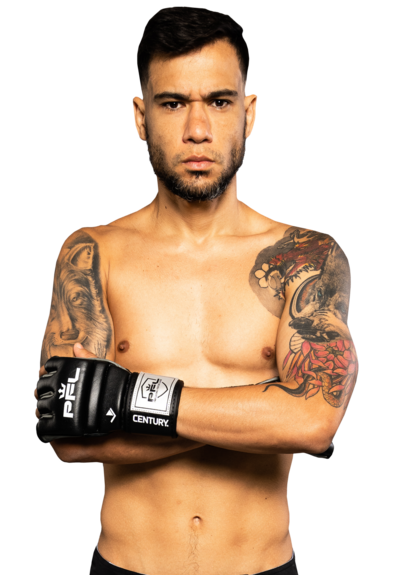 Henrique Madureira
« MAD MAX »
Henrique Madureira
« MAD MAX »
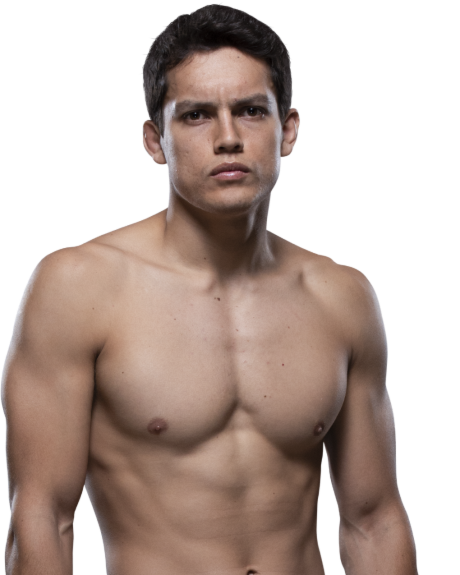 Humberto Bandenay
« The Peruvian Problem »
Humberto Bandenay
« The Peruvian Problem »
Organisation names and marks belong to their respective owners. Fight Hub is not affiliated with any of them.