

Country
Mexican mixed martial arts is built on top of one of the deepest boxing cultures in the world, and the inheritance shows in the first exchange of almost every fight.
A boxing gym teaches things that are hard to acquire later: the body shot as a long-term investment rather than a flourish, the willingness to stand in range and trade, the habit of working behind a jab and turning an opponent onto the lead hand. Mexican boxing in particular is associated with pressure and volume — walking an opponent down and making them fight at a pace they did not choose.
Fighters who bring that to mixed martial arts are dangerous in a specific way. They tend to be comfortable exactly where most fighters are not, in the pocket, and their body work punishes opponents who plan to circle away for three rounds. The trade-off is the one every striking-first fighter faces: the takedown defence has to be built deliberately, because nothing in the feeder sport teaches it.
Mexico came to the sport later than Brazil or the United States, and its professional circuit is younger. That has two visible consequences on the pages below. The first is that many Mexican fighters trained abroad, often in the United States, and carry the grappling of the gym that took them in. The second is that the newer generation increasingly did not — they were raised in Mexican gyms that already taught wrestling and jiu-jitsu alongside the hands.
The border cities matter here. Tijuana and Mexicali sit close enough to Southern California that fighters can train on both sides, and the traffic goes in both directions. Mexico City, further from that exchange, developed its own teams.
The pages below list every Mexican fighter in the catalogue, with their weight class, their gym and how each of their last five fights ended.
How this roster is spread across the weight classes. Follow a division to see its fighters from every country and every promotion.
The gyms that train more than one fighter on this page. Each one has its own hub, with the full roster it has produced.
The cities that keep turning out fighters. No links here on purpose — a page per city would be a dead end. It is context, not navigation.
35 fighters
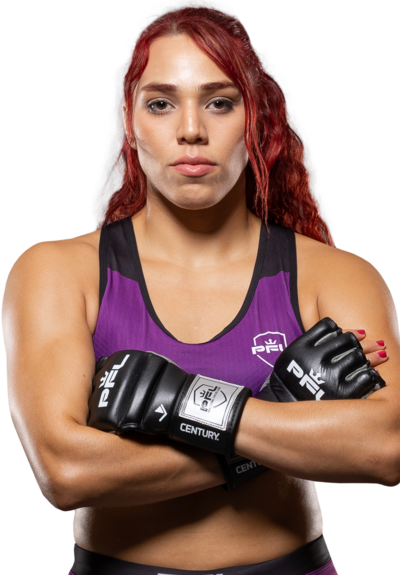 Abigail Montes
« BRAVE »
Abigail Montes
« BRAVE »
 Akbarh Arreola
« El Caballero »
Akbarh Arreola
« El Caballero »
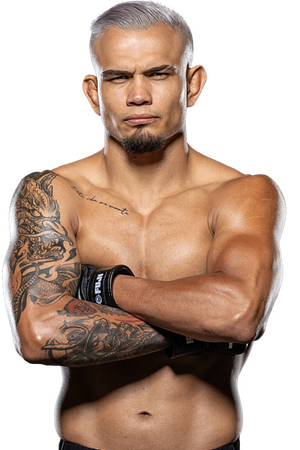 Alan Dominguez
« TIBURON BLANCO »
Alan Dominguez
« TIBURON BLANCO »
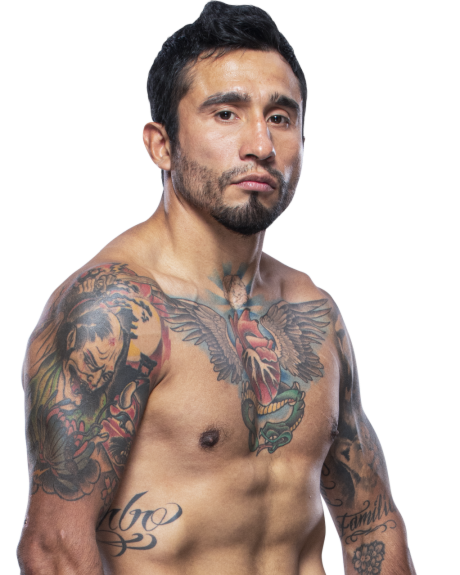 Alejandro Perez
« Turbo »
Alejandro Perez
« Turbo »
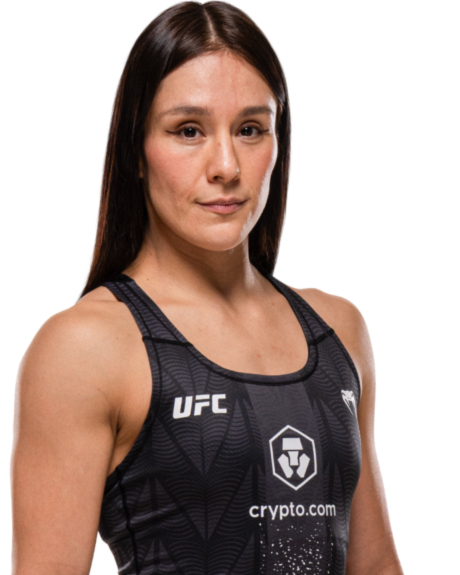 Alexa Grasso
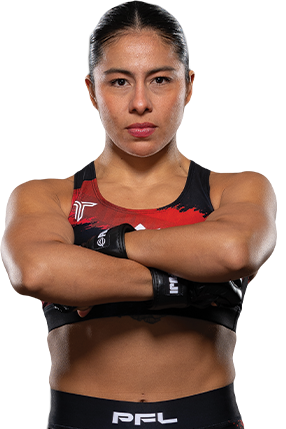 Andrea Vazquez
« Monstruo »
Andrea Vazquez
« Monstruo »
 Augusto Montano
« Dodger »
Augusto Montano
« Dodger »
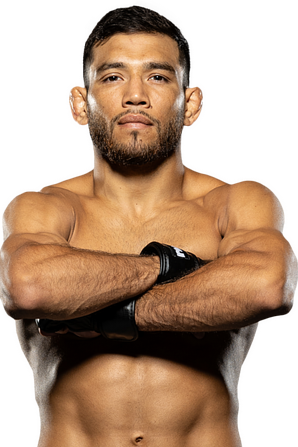 Brahyan Zurcher
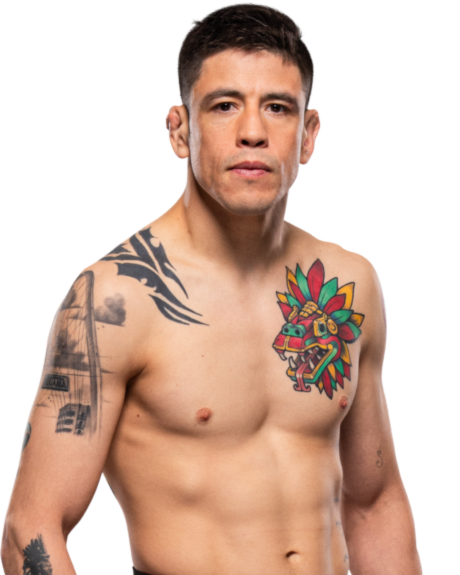 Brandon Moreno
« The Assassin Baby »
Brandon Moreno
« The Assassin Baby »
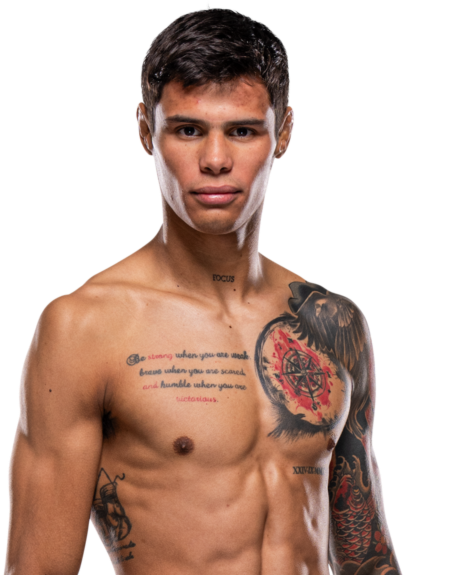 Daniel Zellhuber
« Golden Boy »
Daniel Zellhuber
« Golden Boy »
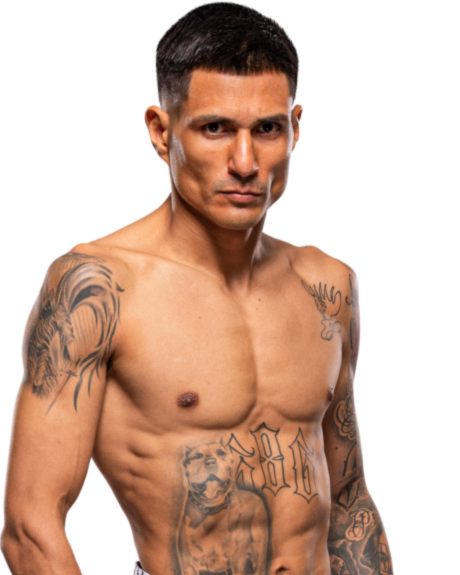 Edgar Chairez
« Puro Chicali »
Edgar Chairez
« Puro Chicali »
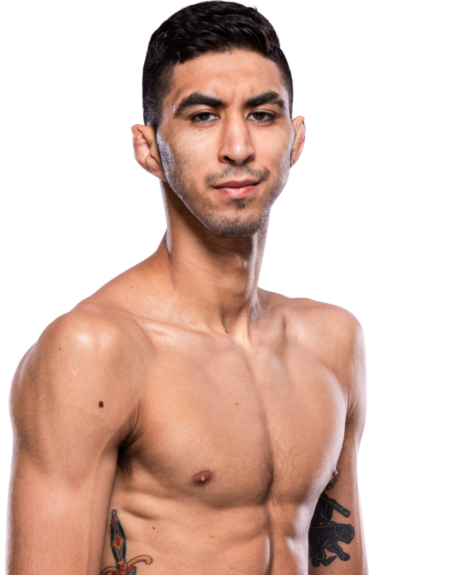 Fernando Padilla
« El Valiente »
Fernando Padilla
« El Valiente »
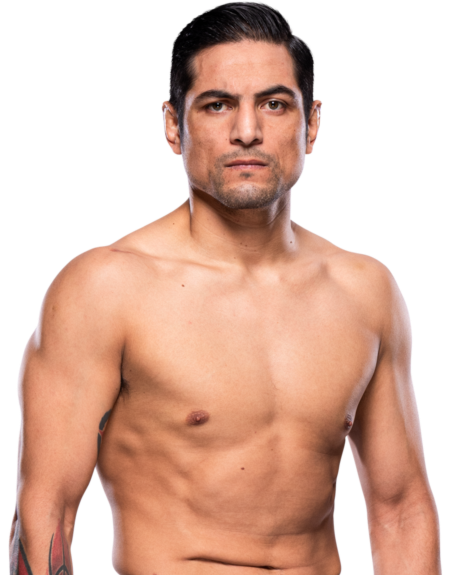 Gabriel Benitez
« Moggly »
Gabriel Benitez
« Moggly »
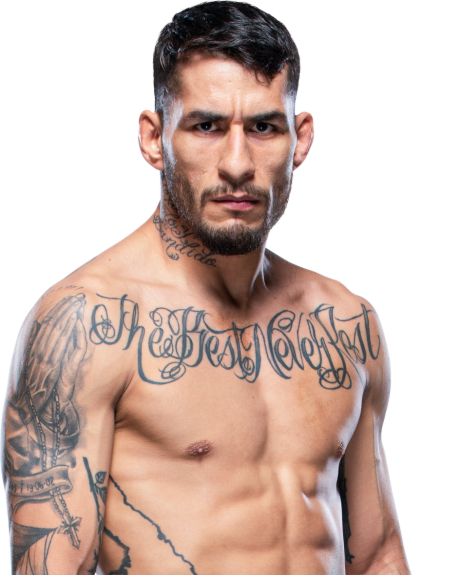 Genaro Valdez
« Rayadito »
Genaro Valdez
« Rayadito »
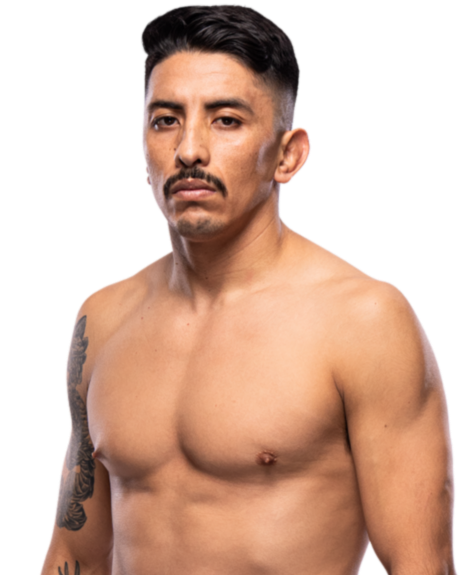 Gianni Vazquez
« Kriptonita »
Gianni Vazquez
« Kriptonita »
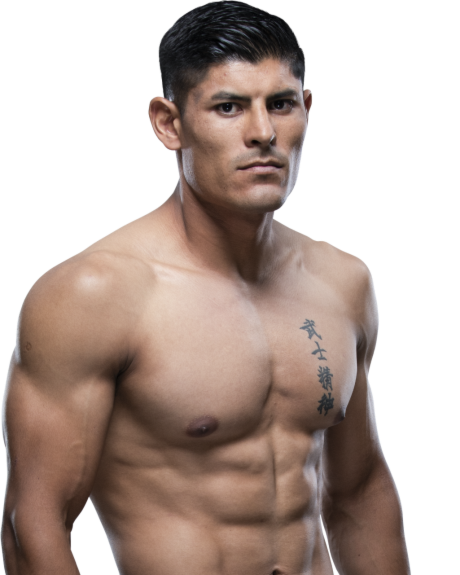 Hector Aldana
« El Charro »
Hector Aldana
« El Charro »
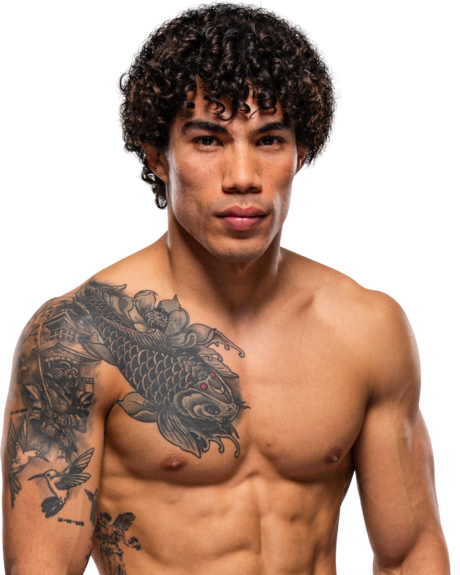 Imanol Rodriguez
« Himan »
Imanol Rodriguez
« Himan »
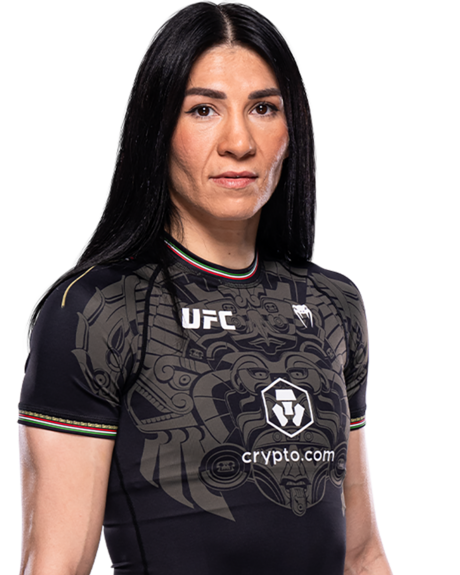 Irene Aldana
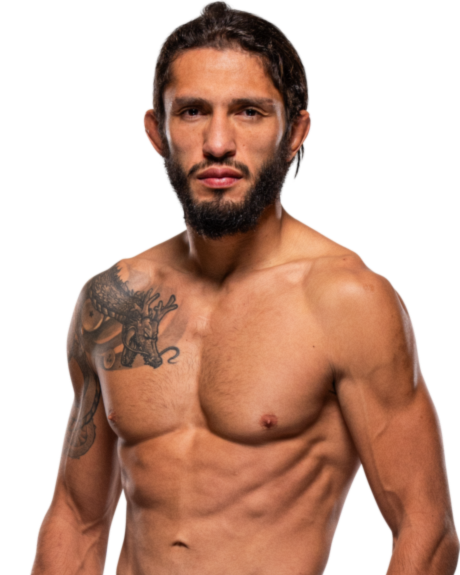 Javier Reyes
« Blair »
Javier Reyes
« Blair »
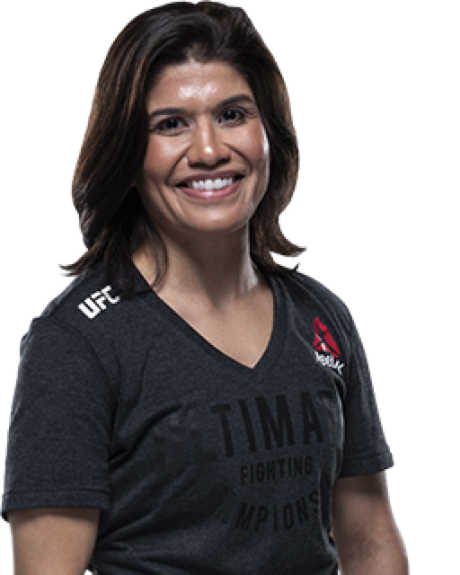 Jessica Aguilar
« Jag »
Jessica Aguilar
« Jag »
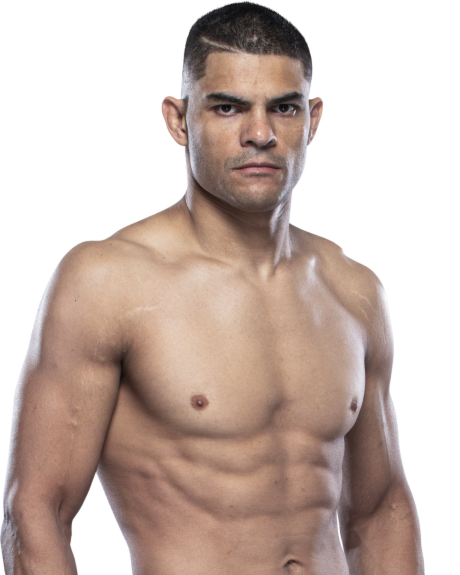 Kazula Vargas
« Kazula »
Kazula Vargas
« Kazula »
 Marco Beltran
« Psycho »
Marco Beltran
« Psycho »
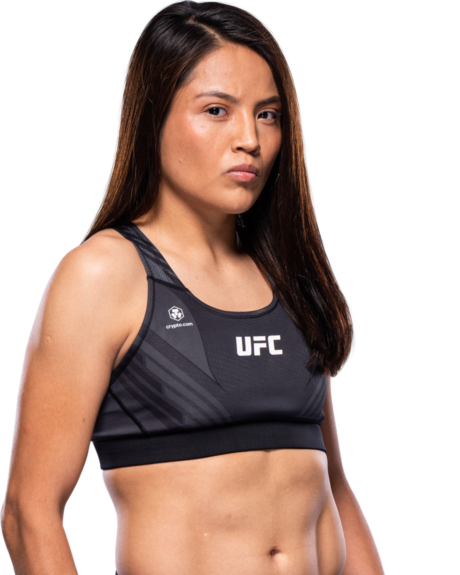 Melissa Martinez
« Super Mely »
Melissa Martinez
« Super Mely »
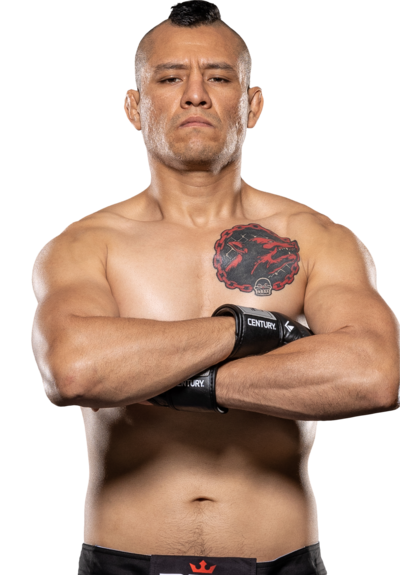 Nayib Lopez
« CACHORRO »
Nayib Lopez
« CACHORRO »
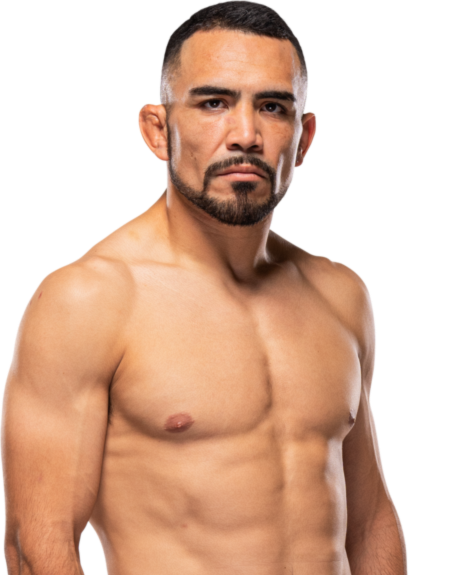 Rafa Garcia
« Gifted »
Rafa Garcia
« Gifted »
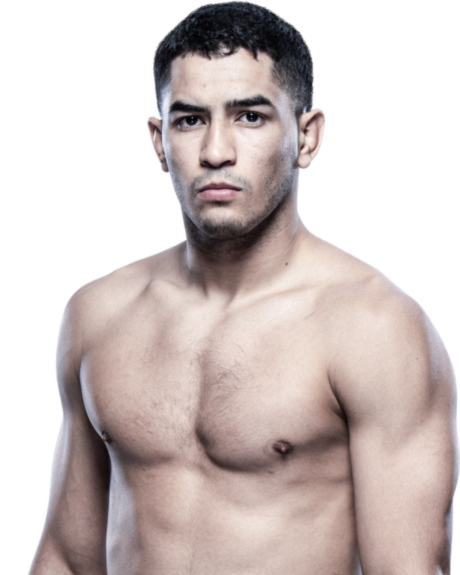 Ramiro Jimenez
« El Cachanilla »
Ramiro Jimenez
« El Cachanilla »
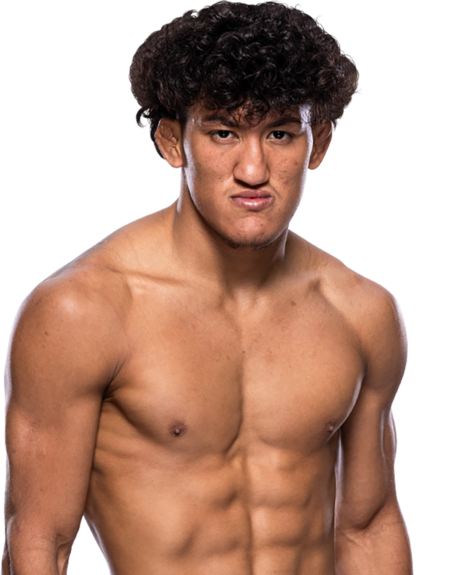 Raul Rosas Jr.
« El Niño Problema »
Raul Rosas Jr.
« El Niño Problema »
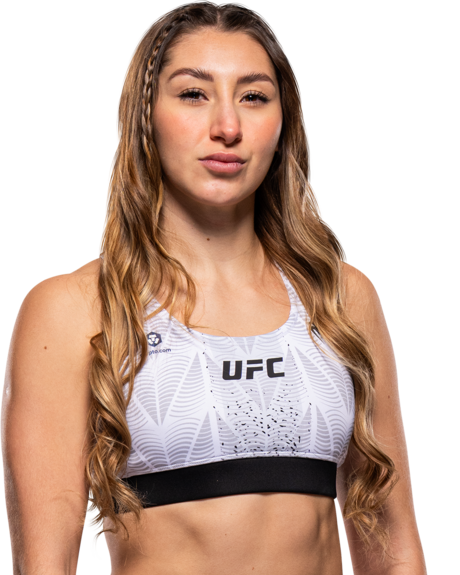 Regina Tarin
« Kill Bill »
Regina Tarin
« Kill Bill »
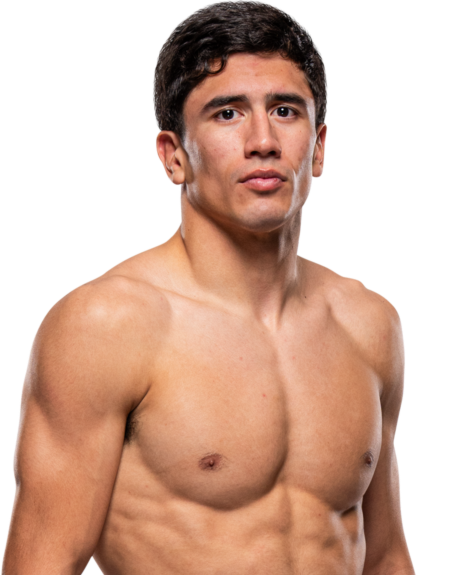 Santiago Luna
« BorderBoy »
Santiago Luna
« BorderBoy »
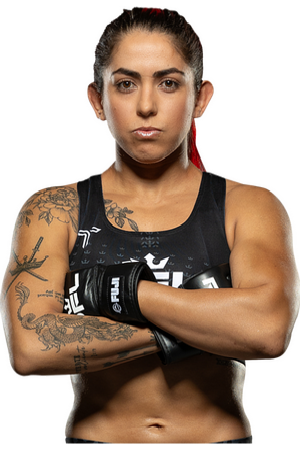 Saray Orozco
« KILLER QUEEN »
Saray Orozco
« KILLER QUEEN »
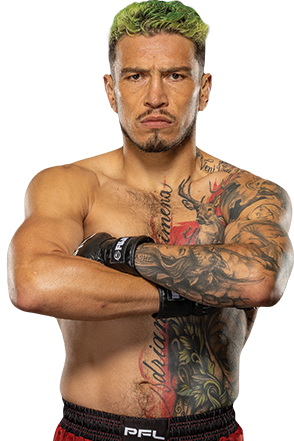 Sergio Cossio
« DRAKO »
Sergio Cossio
« DRAKO »
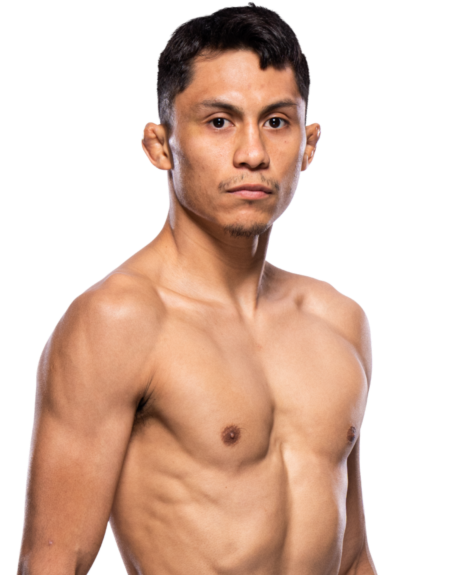 Victor Altamirano
« El Magnifico »
Victor Altamirano
« El Magnifico »
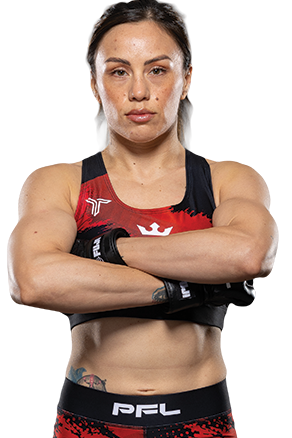 Victoria Alba
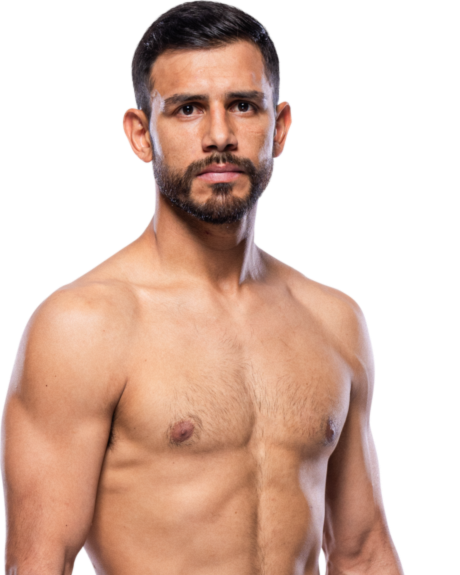 Yair Rodriguez
« El Pantera »
Yair Rodriguez
« El Pantera »
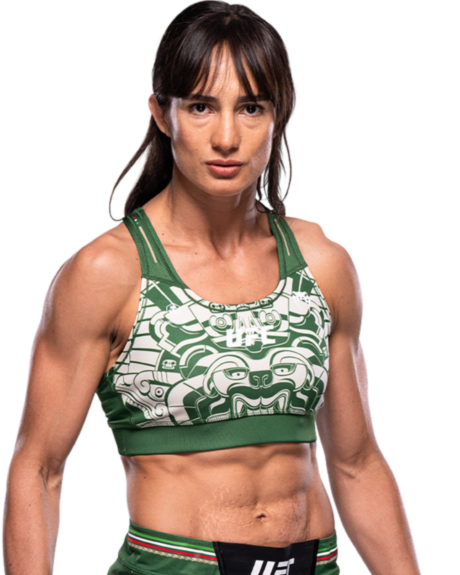 Yazmin Jauregui
Full fight history, live rankings, upcoming cards and head-to-head comparisons. Free on iOS and Android.