

Country
Japan is the other country where mixed martial arts was invented rather than imported. While the sport was being assembled in Brazil out of jiu-jitsu and vale tudo, a parallel version was being assembled in Japan out of professional wrestling, judo and karate — and for a long stretch the Japanese version was the more organised of the two.
The Japanese line runs through shoot wrestling: professional wrestlers who wanted to compete for real, and who built rulesets to let them. Those early promotions did something the rest of the sport took years to copy — they used weight classes, rounds and judging when open-weight tournaments were still the norm elsewhere. Several conventions that now look universal were tested in Japan first.
The feeder disciplines left their own marks. Judo supplies the throws and the grip fighting; karate supplies a distinctive range game, with a bladed stance and long entries that look nothing like boxing footwork and that opponents frequently misread. Catch wrestling, absorbed through the shoot lineage, shows up in leg locks and in a willingness to attack submissions from positions grapplers from other traditions treat as neutral.
The domestic scene remains substantial, but the pages below show something else clearly: a large share of the Japanese fighters in this catalogue train at teams outside Japan. Fighters move for training partners at their own weight — the lighter divisions in particular are deep in Japan and thin almost everywhere else, which cuts both ways.
Reading the gym column below therefore separates two very different careers: one built inside the Japanese system, one built abroad by a fighter who left it. Their records look different, and so do their styles.
The pages below list every Japanese fighter in the catalogue, with their weight class, their gym and how each of their last five fights ended.
How this roster is spread across the weight classes. Follow a division to see its fighters from every country and every promotion.
The gyms that train more than one fighter on this page. Each one has its own hub, with the full roster it has produced.
The cities that keep turning out fighters. No links here on purpose — a page per city would be a dead end. It is context, not navigation.
22 fighters
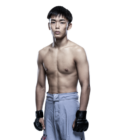
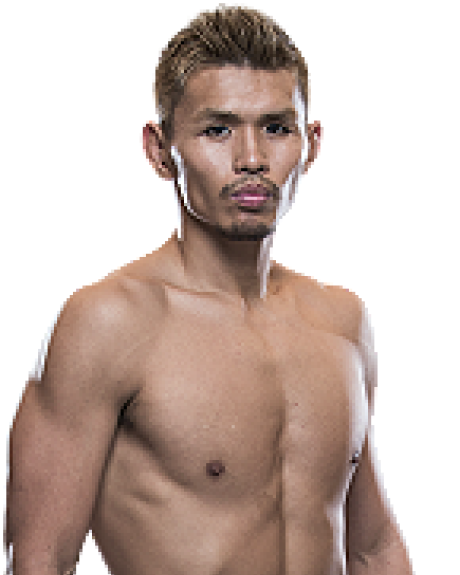 Daichi Abe
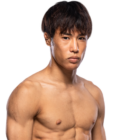
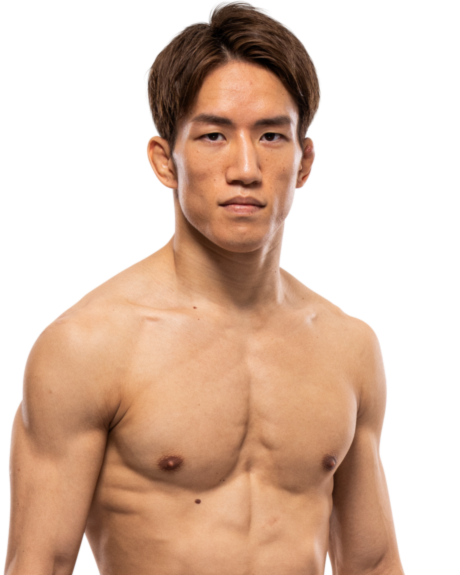 Kai Asakura
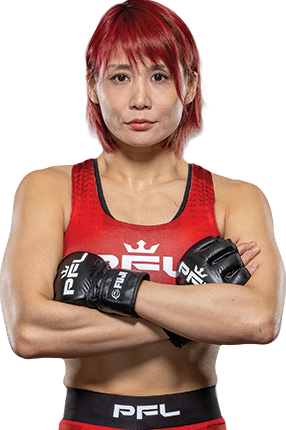 Kana Watanabe
 Kiichi Kunimoto
« Strasser »
Kiichi Kunimoto
« Strasser »
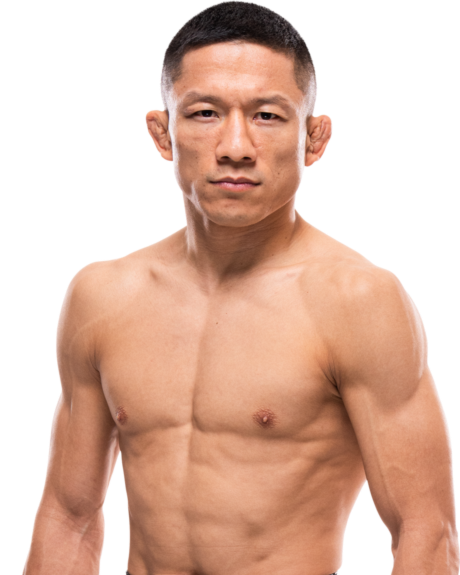 Kyoji Horiguchi
« Karate Kid »
Kyoji Horiguchi
« Karate Kid »
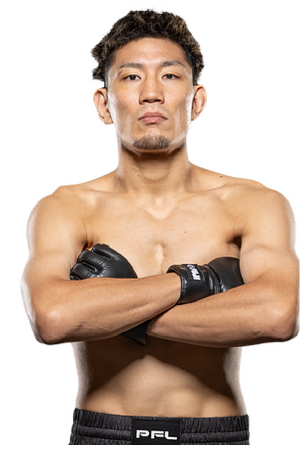 Masayuki Kikuiri
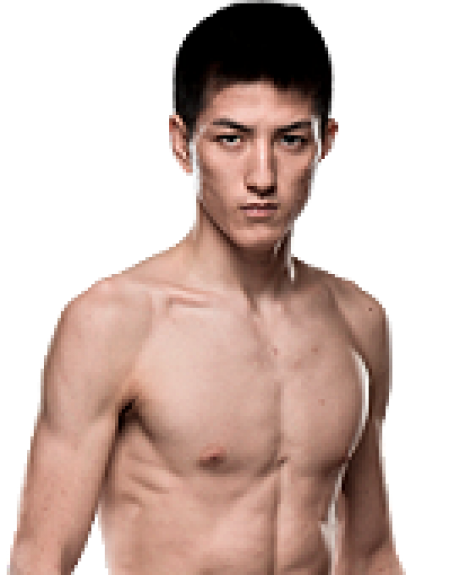 Naoki Inoue
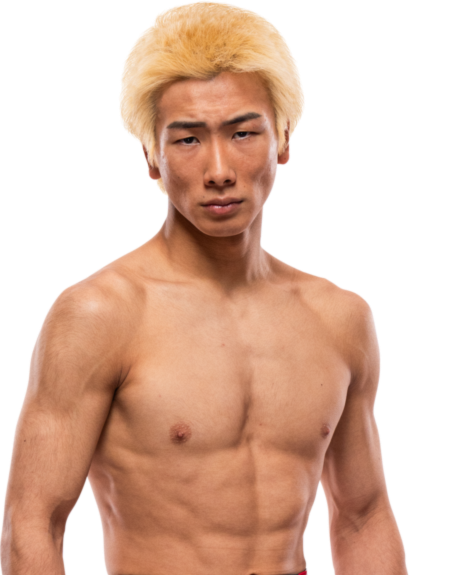 Rei Tsuruya
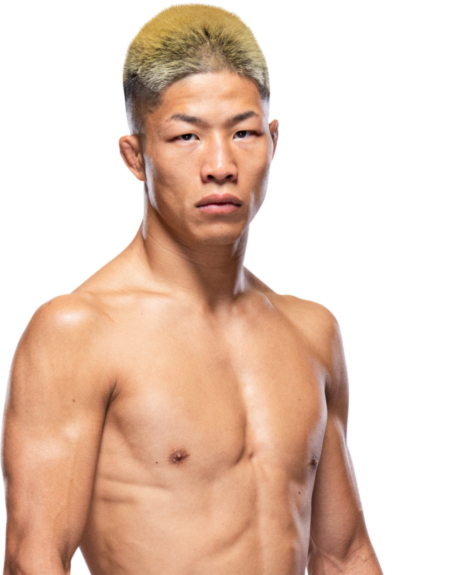 Rinya Nakamura
« Hybrid »
Rinya Nakamura
« Hybrid »
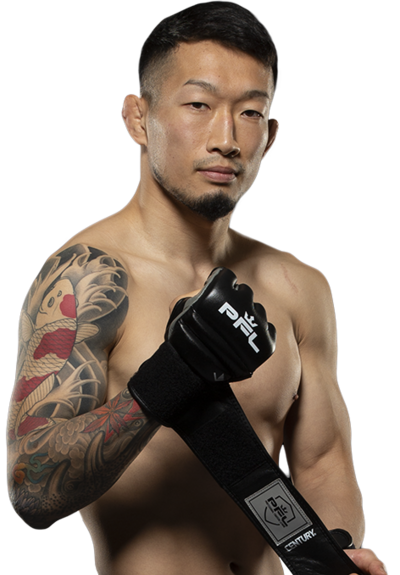 Ryoji Kudo
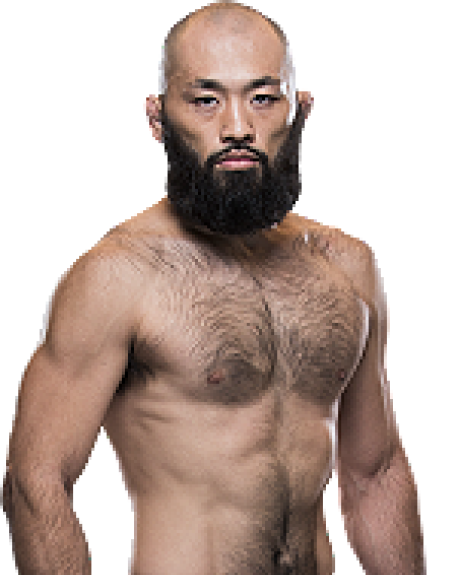 Shinsho Anzai
« Animal »
Shinsho Anzai
« Animal »
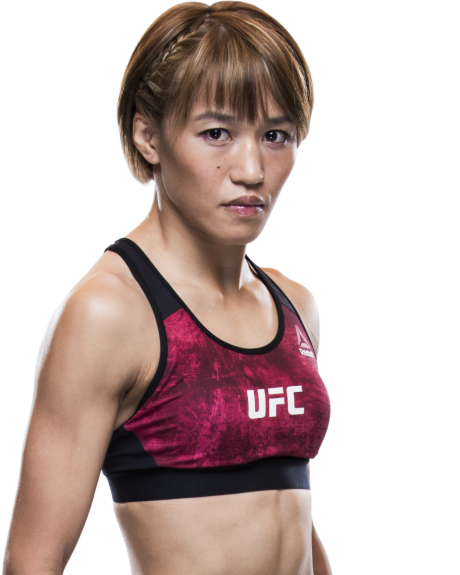 Syuri Kondo
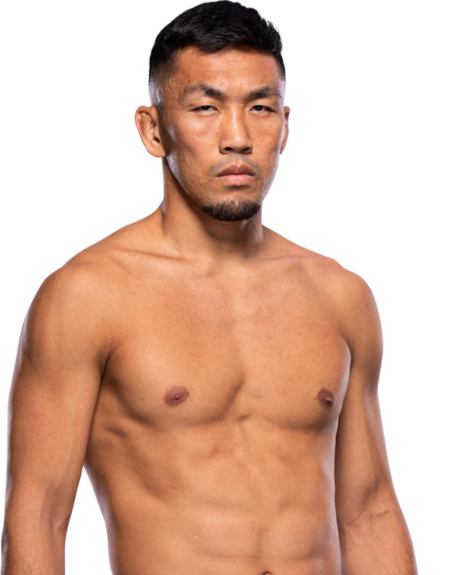 Takashi Sato
« Ten »
Takashi Sato
« Ten »
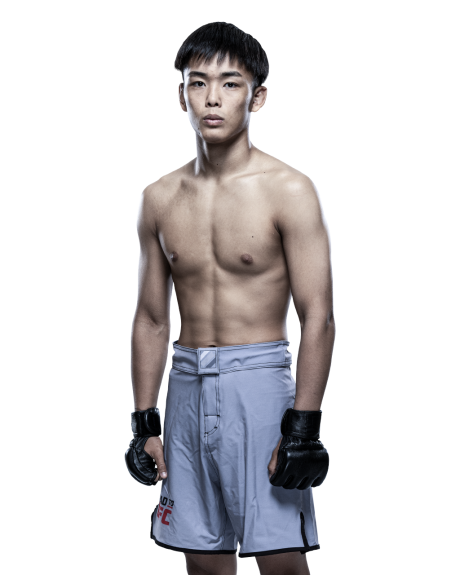 Takeru Uchida
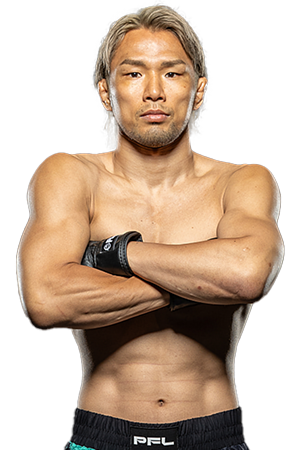 Takeshi Izumi
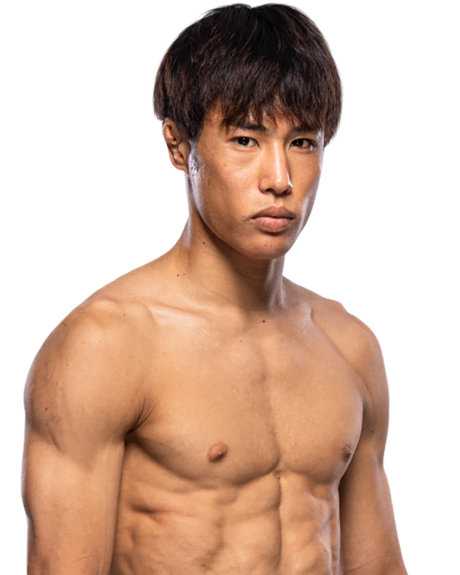 Tatsuro Taira
« The Best »
Tatsuro Taira
« The Best »
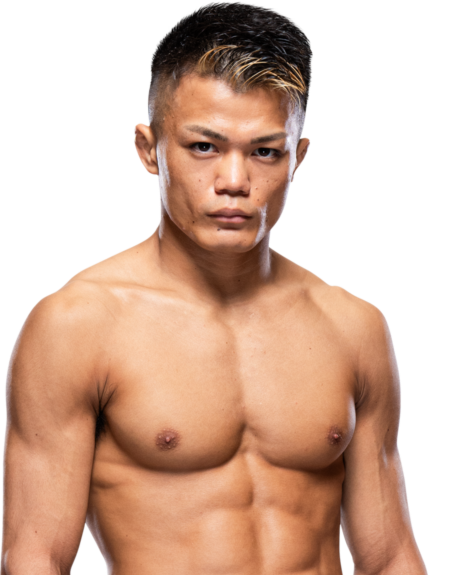 Toshiomi Kazama
« Silent Finisher »
Toshiomi Kazama
« Silent Finisher »
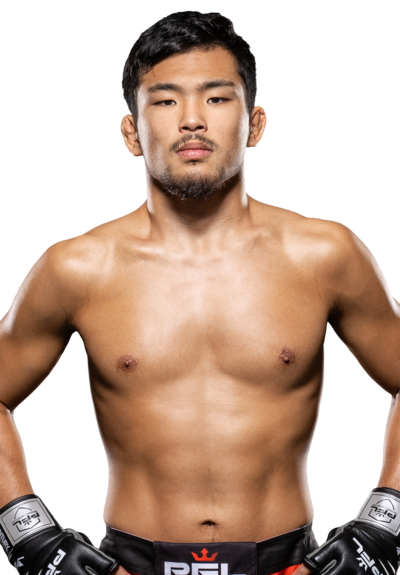 Yamato Nishikawa
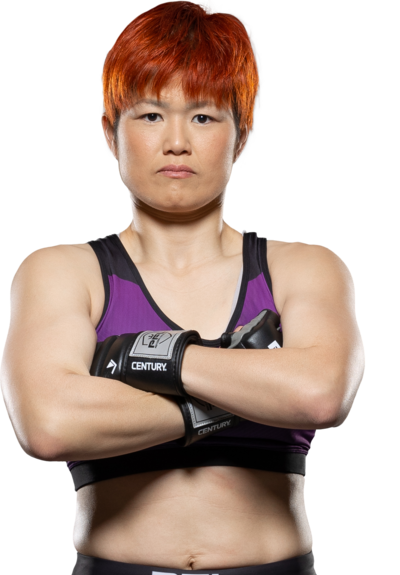 Yoko Higashi
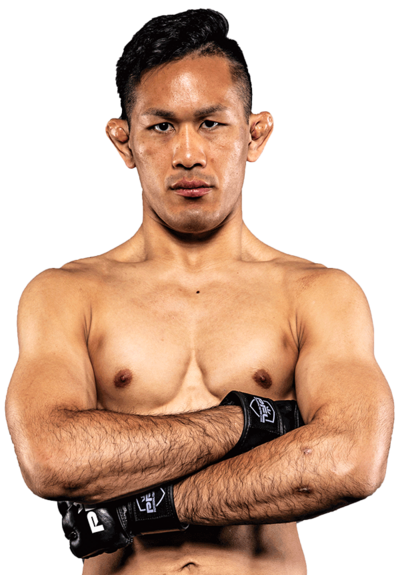 Yuki Kawana
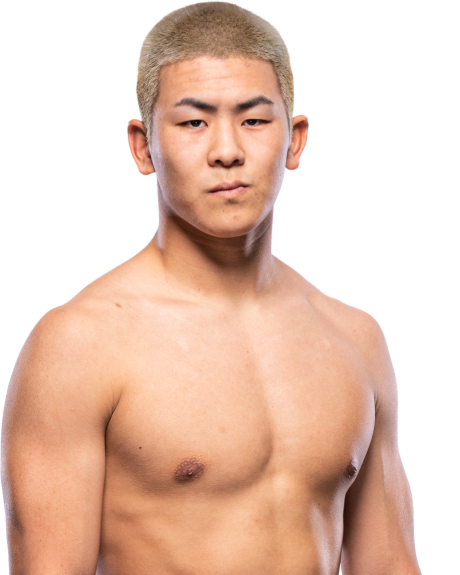 Yusaku Kinoshita
« Wonderboy »
Yusaku Kinoshita
« Wonderboy »
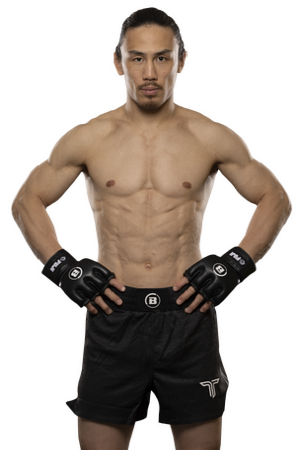 Yusuke Yachi
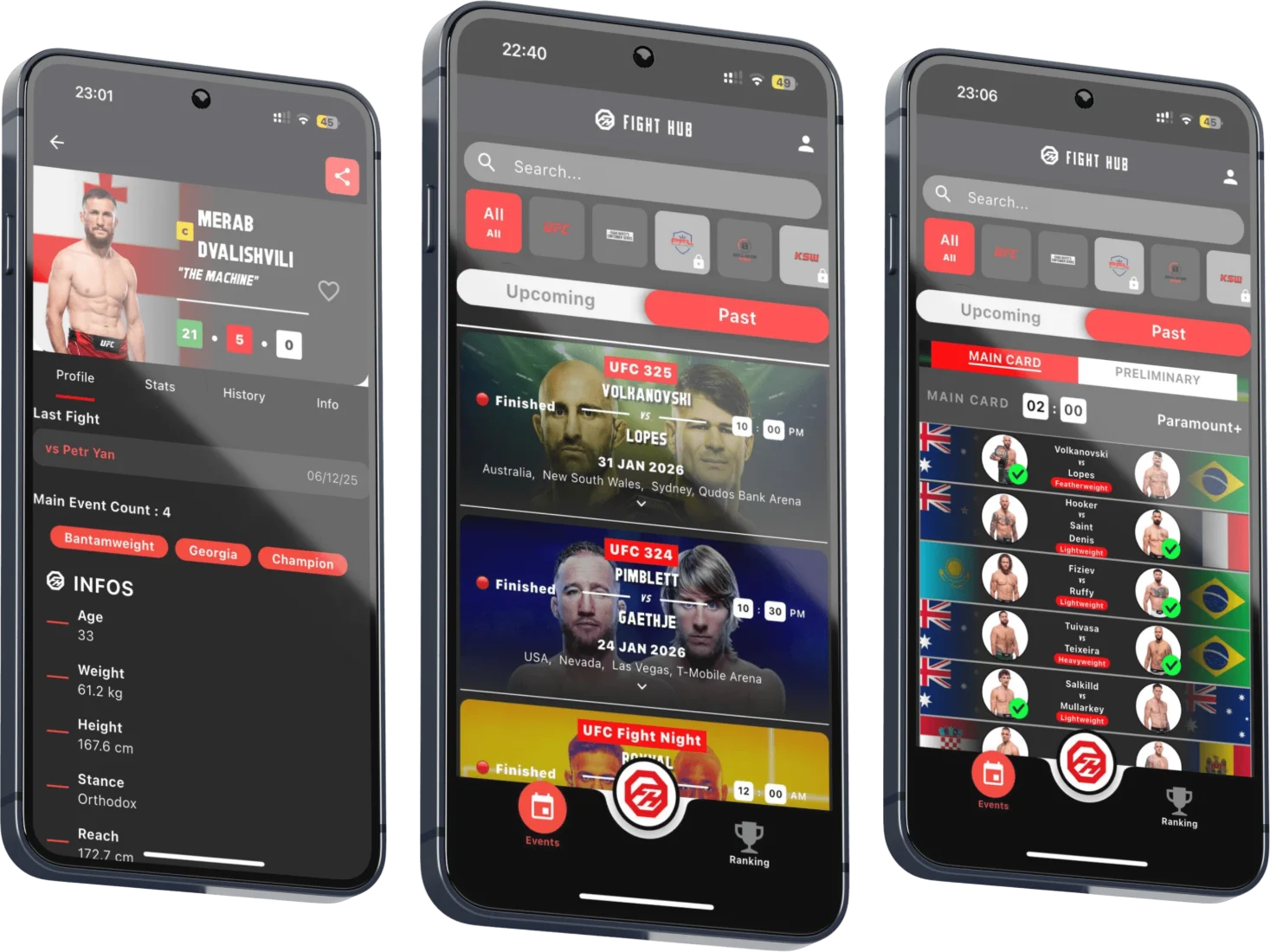
Full fight history, live rankings, upcoming cards and head-to-head comparisons. Free on iOS and Android.