

Country
The United States sends more fighters to professional mixed martial arts than any other country, and the reason is structural rather than accidental. No other nation feeds the sport from a school and university system that already trains hundreds of thousands of young people in a combat discipline every year.
Folkstyle wrestling is taught in American high schools and colleges as a scholastic sport with its own season, its own championships and its own scholarships. Its scoring rewards control and riding time rather than throws, which produces exactly the habits mixed martial arts asks for: taking an opponent down, keeping them there, and standing back up when the position is lost.
The consequence is visible in any American roster. A large share of them arrive with a decade of grappling behind them before they ever throw a punch in competition, and their careers are often a matter of building striking onto that base rather than the reverse. It is the mirror image of the Brazilian path, and the two have been learning from each other for thirty years.
The second feeder is boxing, which supplies footwork, head movement and the sense of distance that pure wrestlers have to be taught. Fighters who combine both — a wrestling base with real hands — are the American archetype.
Underneath the promotions that get televised sits a dense regional circuit spread across the country, where fighters take their first professional bouts close to home. That circuit is why an American prospect can build a double-digit record before ever appearing on a card anyone outside the state has heard of, and why the depth in every weight class runs so far down.
The sport is also regulated state by state, each with its own athletic commission working from the Unified Rules of MMA. The pages below list every American fighter in the catalogue, with their weight class, their gym and how each of their last five fights ended.
How this roster is spread across the weight classes. Follow a division to see its fighters from every country and every promotion.
The gyms that train more than one fighter on this page. Each one has its own hub, with the full roster it has produced.
The cities that keep turning out fighters. No links here on purpose — a page per city would be a dead end. It is context, not navigation.
351–400 of 588 fighters
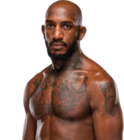
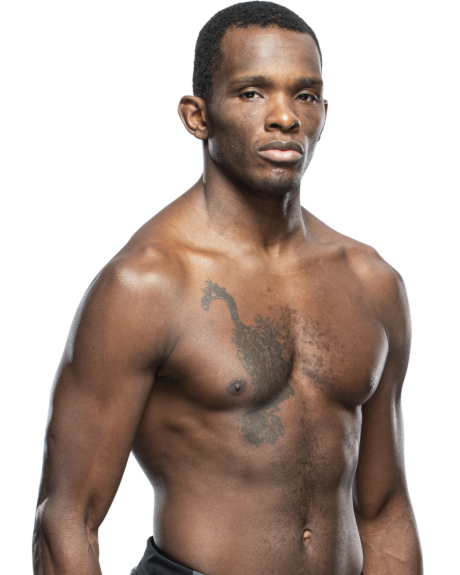 Khama Worthy
« The Death Star »
Khama Worthy
« The Death Star »
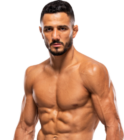
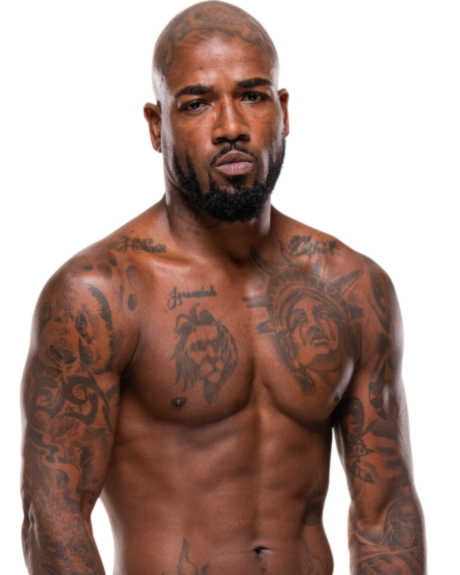 King Green
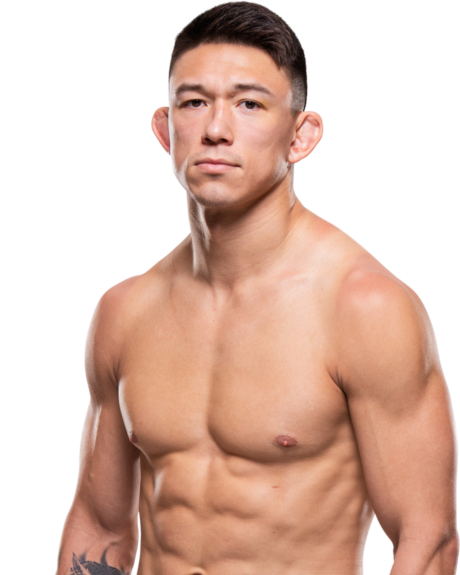 Kody Steele
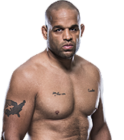
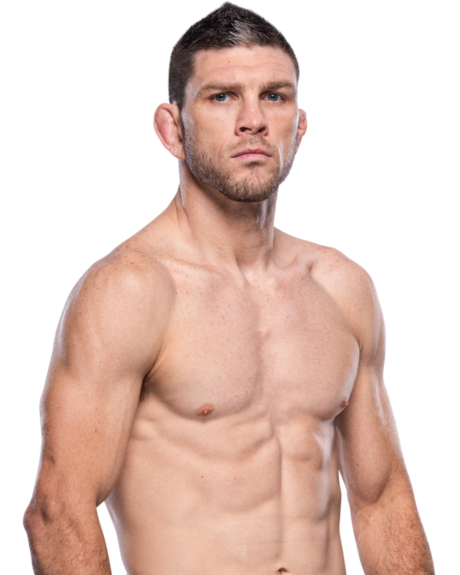 Kurt Holobaugh
« The Hurt »
Kurt Holobaugh
« The Hurt »
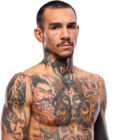
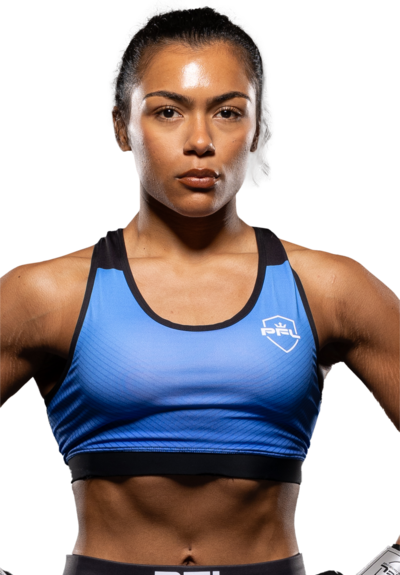 Ky Bennet
« Kobra »
Ky Bennet
« Kobra »
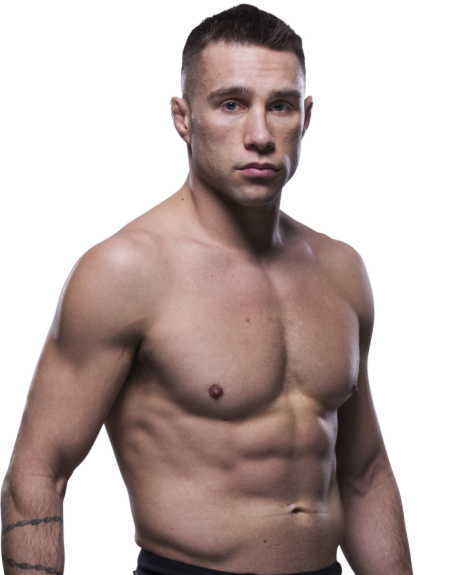 Kyle Bochniak
« Crash »
Kyle Bochniak
« Crash »
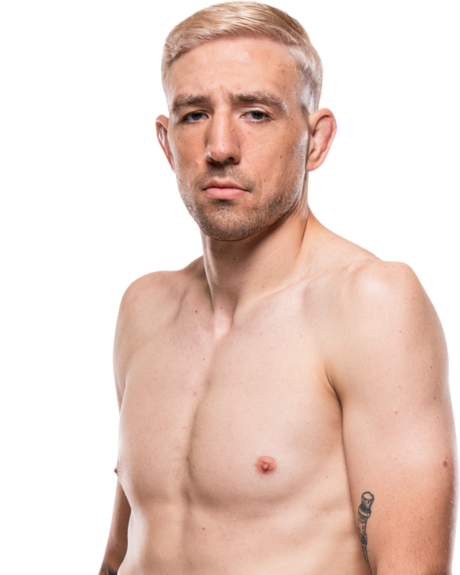 Kyle Daukaus
« The D'Arce Knight »
Kyle Daukaus
« The D'Arce Knight »
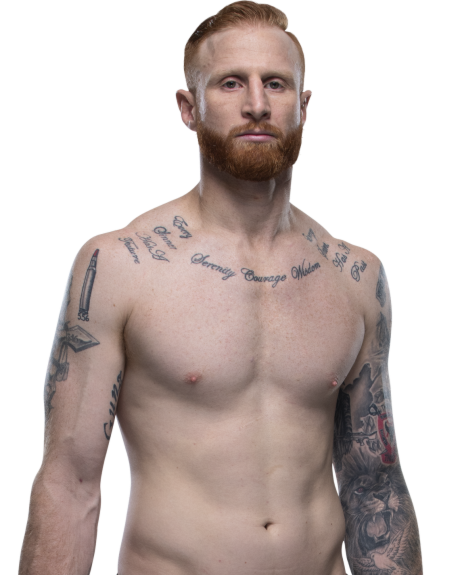 Kyle Stewart
« Gunz Up »
Kyle Stewart
« Gunz Up »
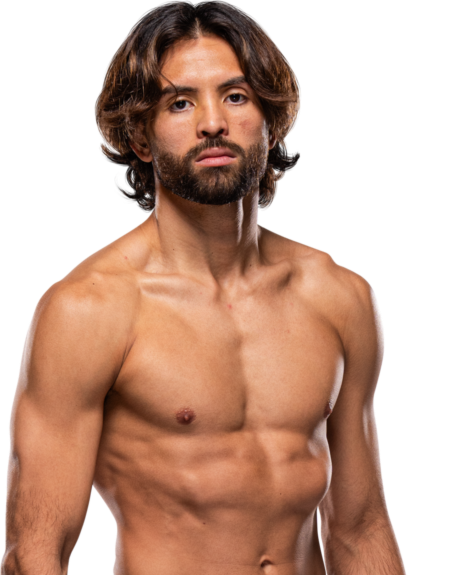 Kyler Phillips
« The Matrix »
Kyler Phillips
« The Matrix »
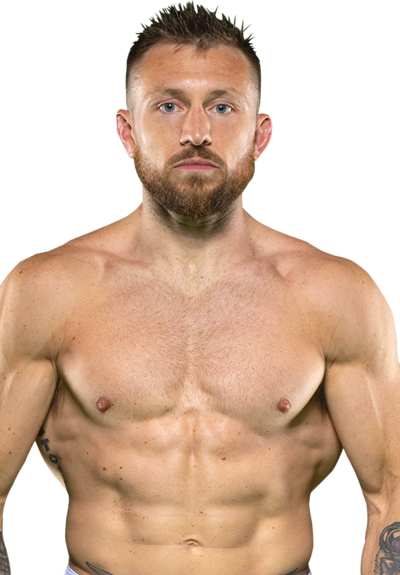 Lance Palmer
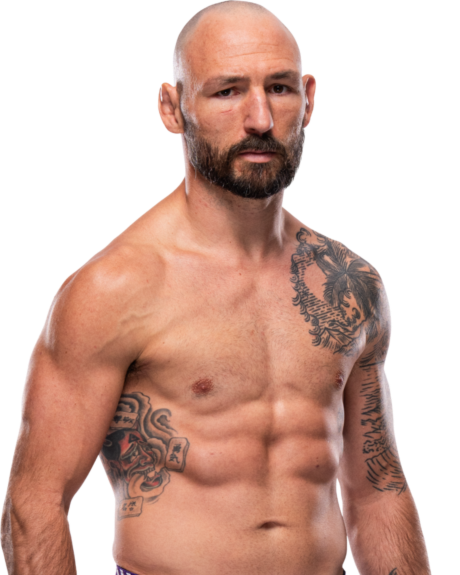 Lando Vannata
« Groovy »
Lando Vannata
« Groovy »
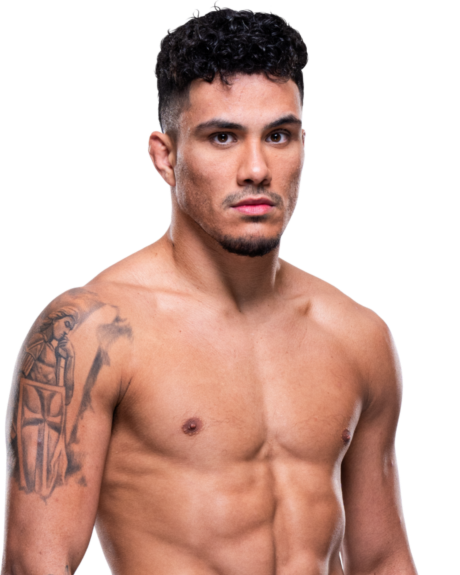 Landon Quinones
« The Lone Wolf »
Landon Quinones
« The Lone Wolf »
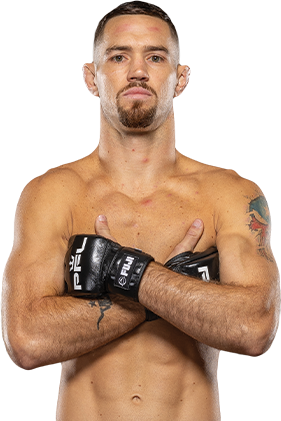 Landry Ward
« The Lone Star Kid »
Landry Ward
« The Lone Star Kid »
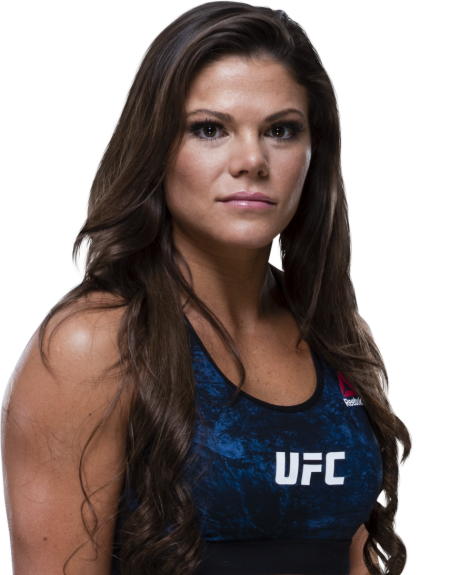 Lauren Mueller
« Princess Tiger »
Lauren Mueller
« Princess Tiger »
 Lazar Stojadinovic
« The Bronx Bomber »
Lazar Stojadinovic
« The Bronx Bomber »
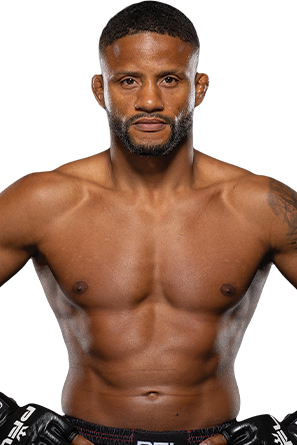 Lazaro Dayron
« THE HUNTER »
Lazaro Dayron
« THE HUNTER »
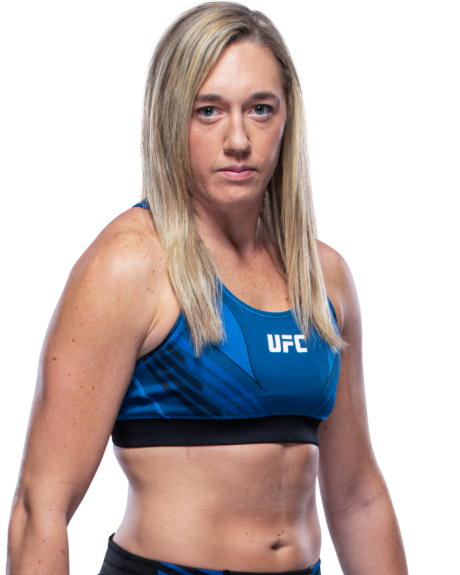 Leah Letson
« Nidas »
Leah Letson
« Nidas »
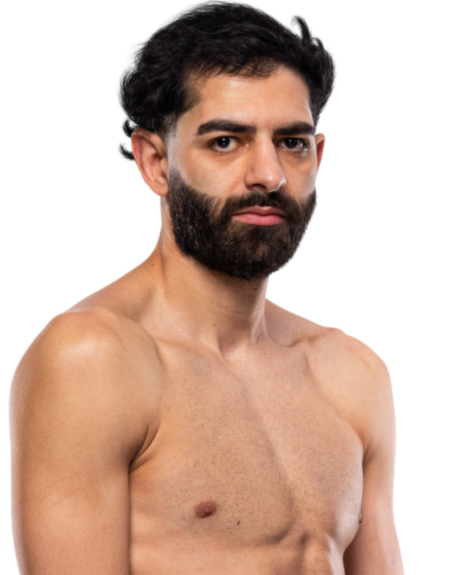 Leon Shahbazyan
« S.O.G. »
Leon Shahbazyan
« S.O.G. »
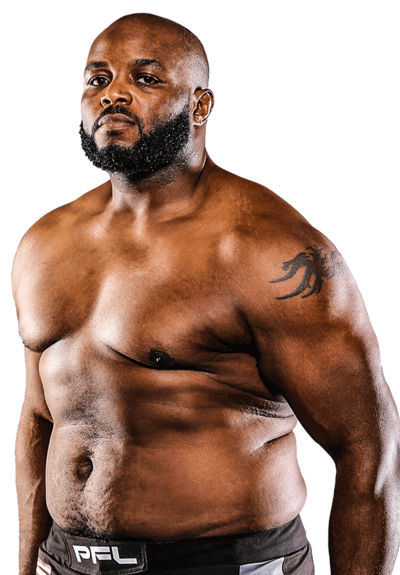 Leroy Johnson
 Leslie Smith
« The Peacemaker »
Leslie Smith
« The Peacemaker »
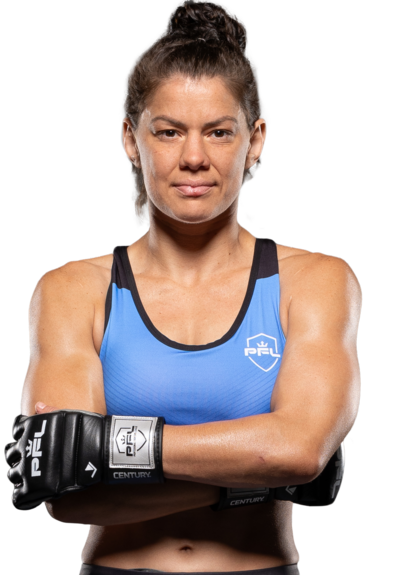 Lisa Mauldin
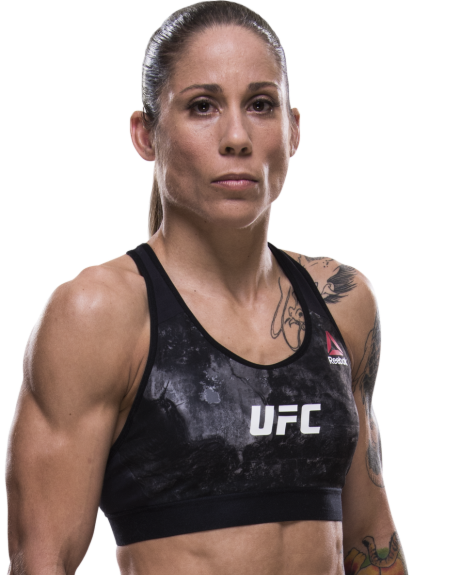 Liz Carmouche
« Girlrilla »
Liz Carmouche
« Girlrilla »
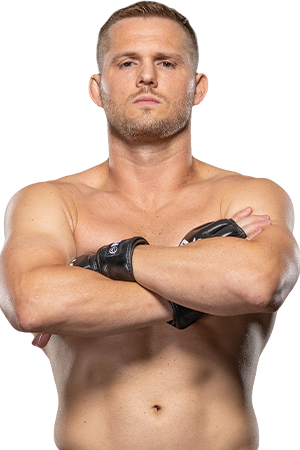 Logan Storley
« STORM »
Logan Storley
« STORM »
 Lorenz Larkin
« The Monsoon »
Lorenz Larkin
« The Monsoon »
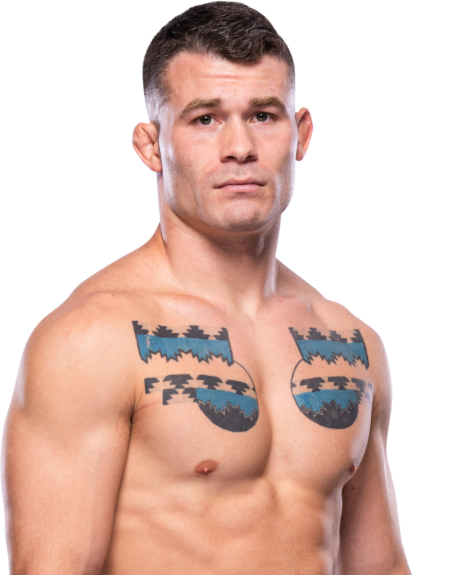 Louis Cosce
« The Monster »
Louis Cosce
« The Monster »
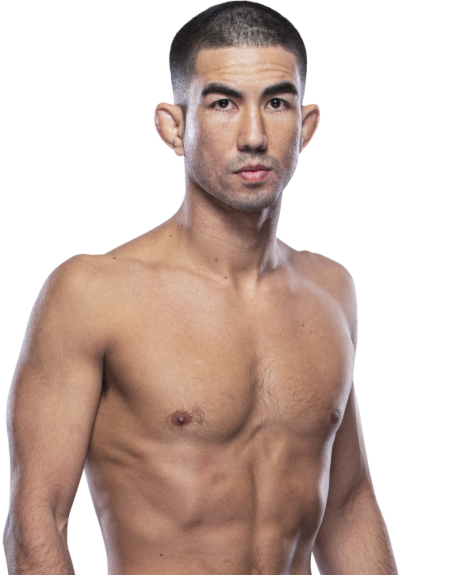 Louis Smolka
« Da Last Samurai »
Louis Smolka
« Da Last Samurai »
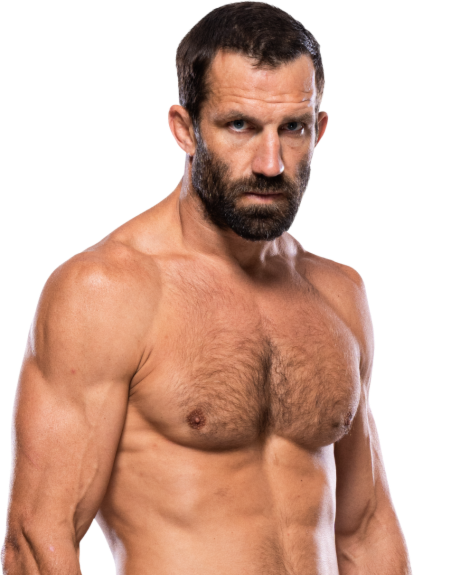 Luke Rockhold
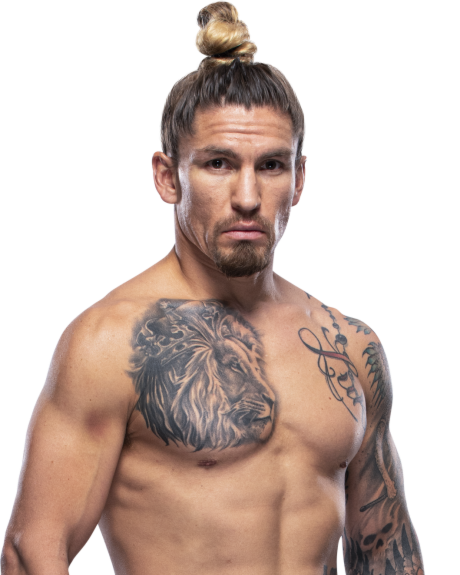 Luke Sanders
« Cool Hand »
Luke Sanders
« Cool Hand »
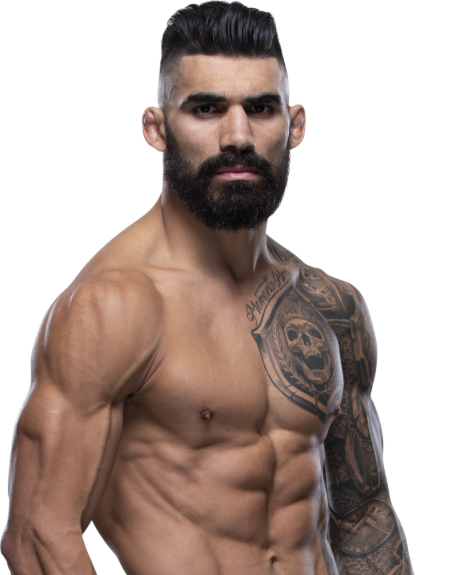 Lyman Good
« Cyborg »
Lyman Good
« Cyborg »
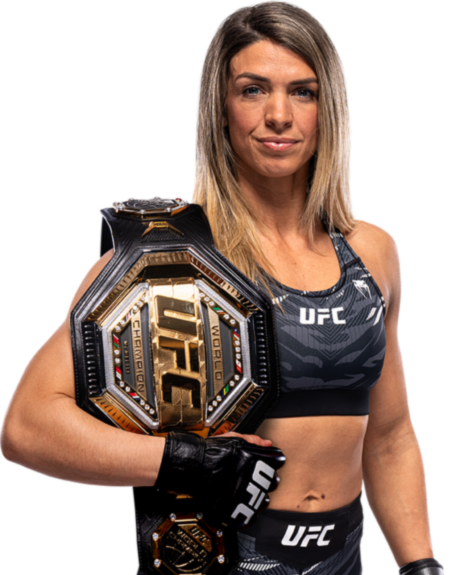 Mackenzie Dern
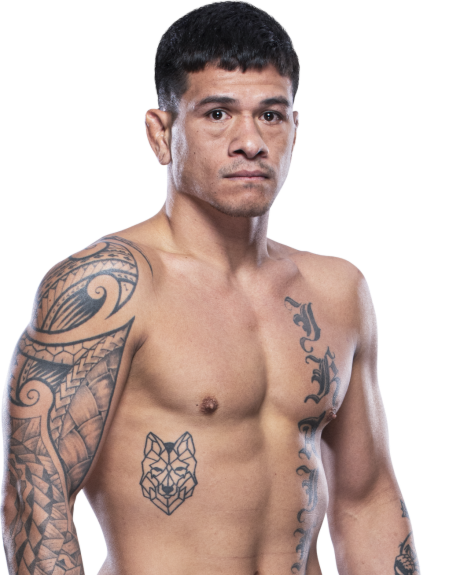 Maki Pitolo
« Coconut Bombz »
Maki Pitolo
« Coconut Bombz »
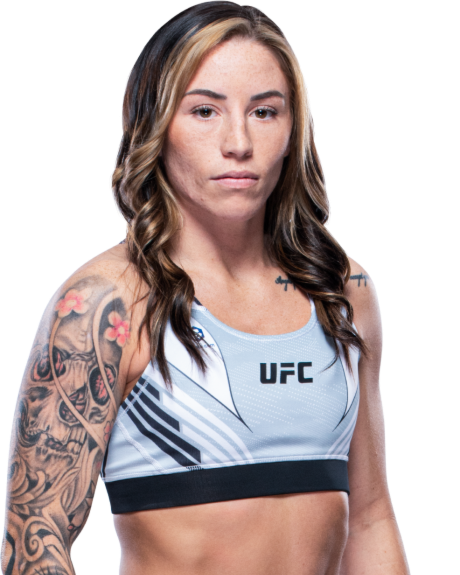 Mallory Martin
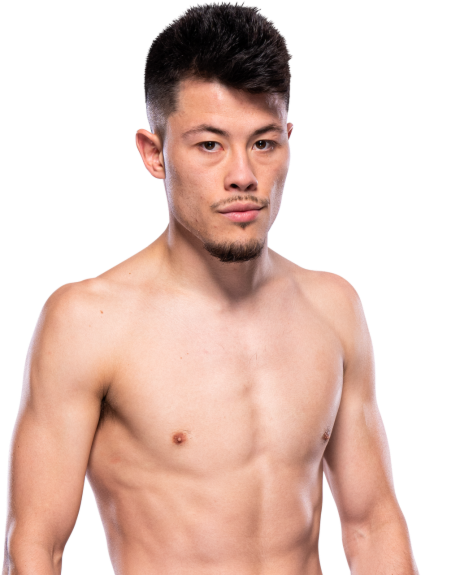 Mana Martinez
« Manaboi »
Mana Martinez
« Manaboi »
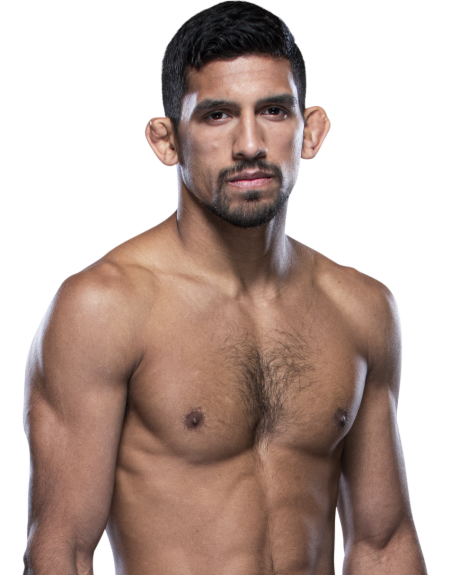 Manny Bermudez
« The Bermudez Triangle »
Manny Bermudez
« The Bermudez Triangle »
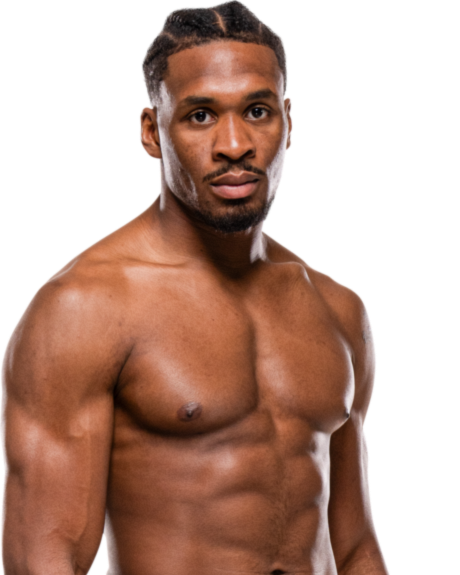 Mansur Abdul-Malik
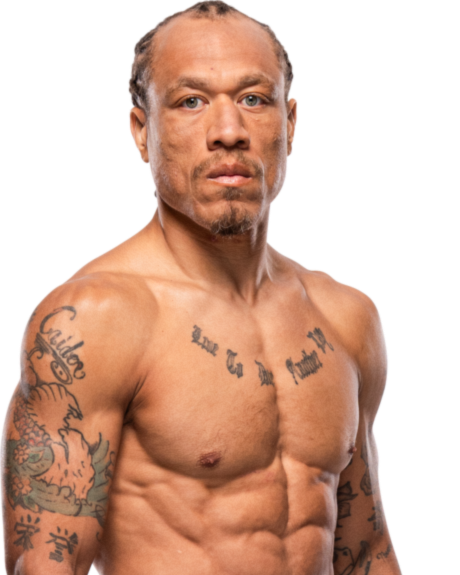 Marcus McGhee
« The Maniac »
Marcus McGhee
« The Maniac »
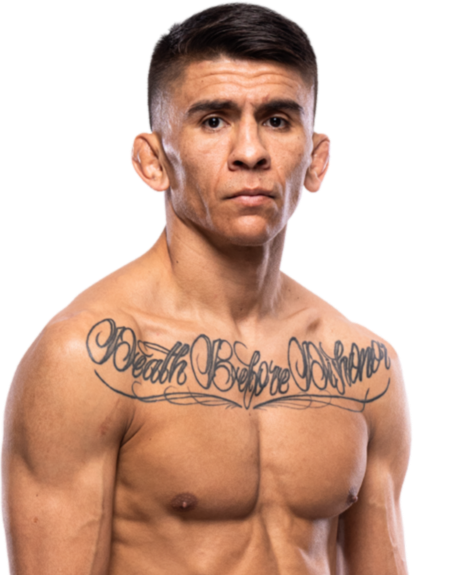 Mario Bautista
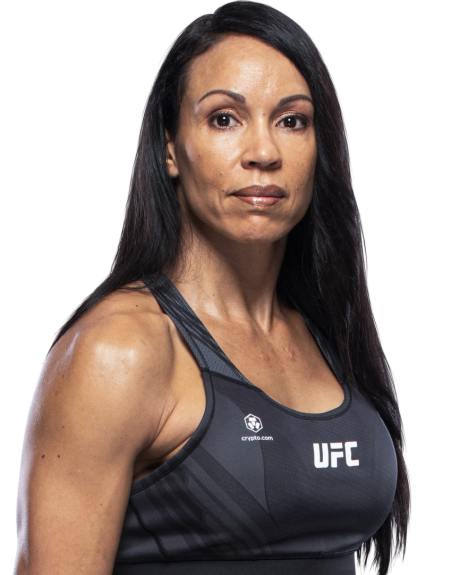 Marion Reneau
« The Belizean Bruiser »
Marion Reneau
« The Belizean Bruiser »
 Mark Cherico
« The Pride of Bloomfield »
Mark Cherico
« The Pride of Bloomfield »
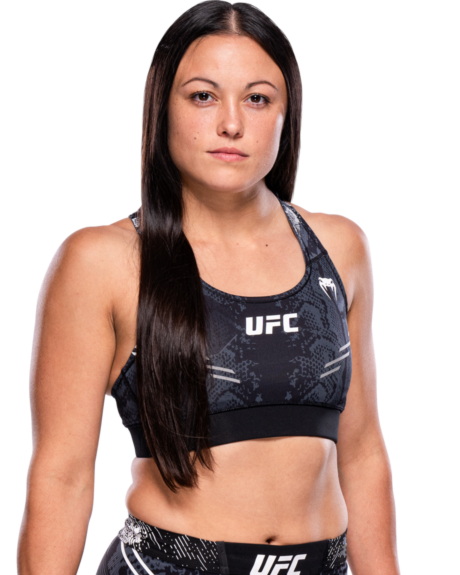 Marnic Mann
« The Sawed-Off Savage »
Marnic Mann
« The Sawed-Off Savage »
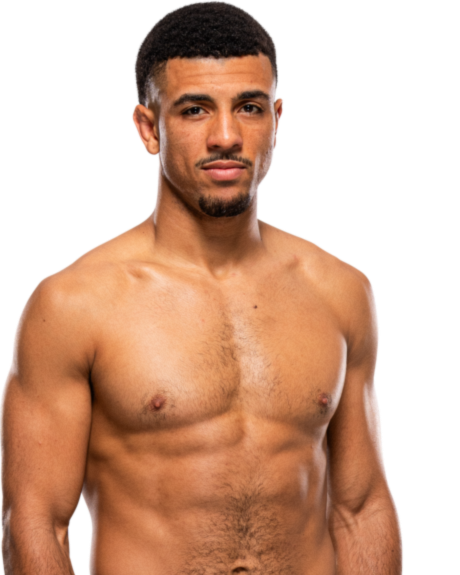 MarQuel Mederos
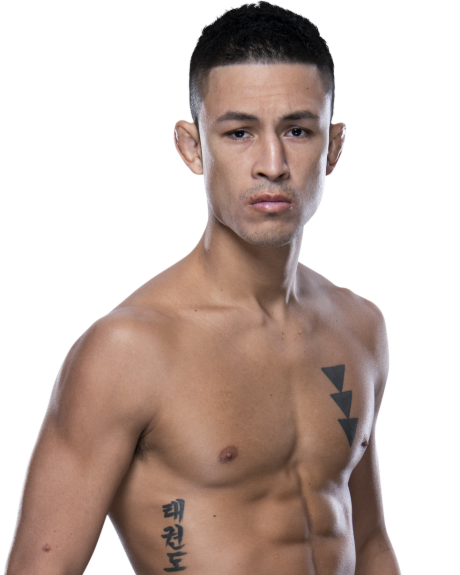 Martin Day
« The Spartan »
Martin Day
« The Spartan »
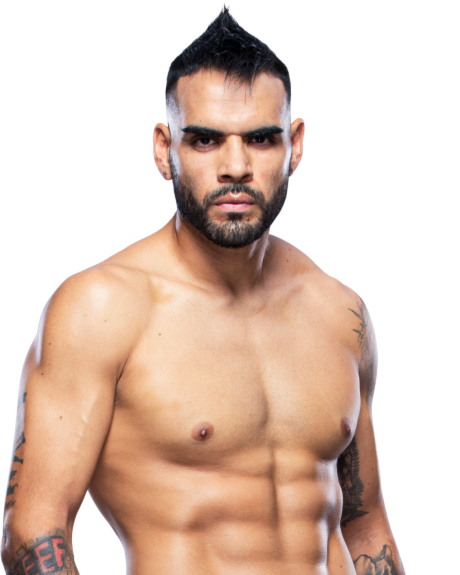 Martin Sano
« Spartan »
Martin Sano
« Spartan »
 Matt Bessette
« The Mangler »
Matt Bessette
« The Mangler »
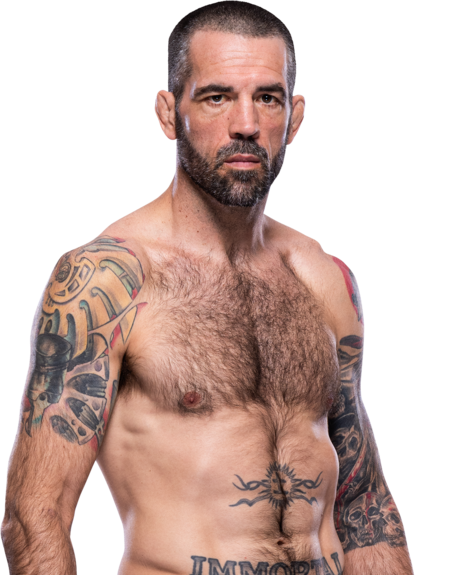 Matt Brown
« The Immortal »
Matt Brown
« The Immortal »
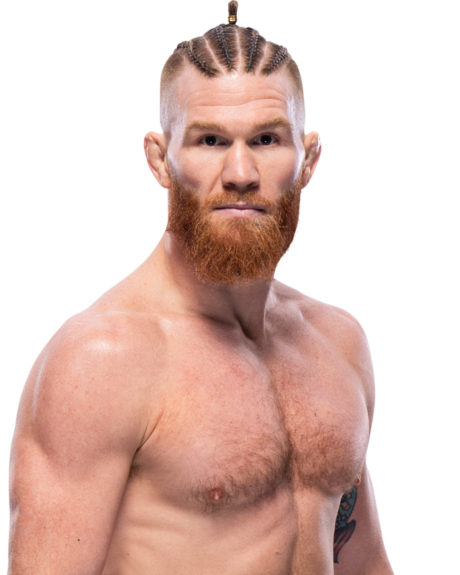 Matt Frevola
« The Steamrolla »
Matt Frevola
« The Steamrolla »
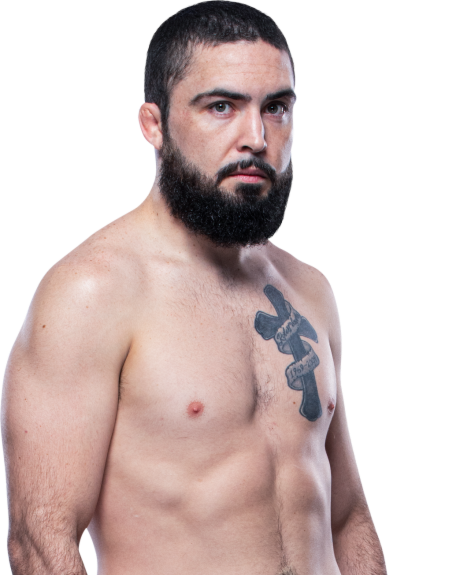 Matt Sayles
« Robo »
Matt Sayles
« Robo »
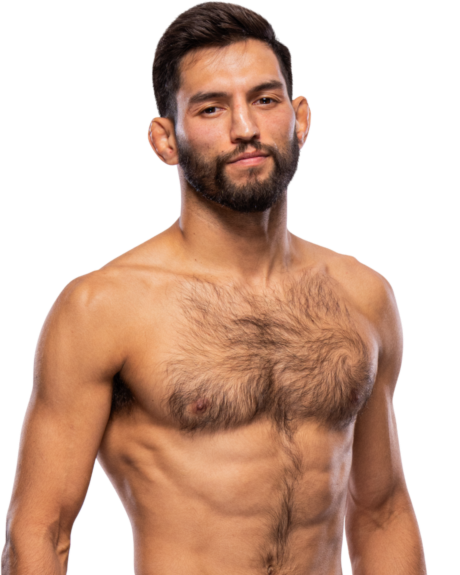 Matt Schnell
« Danger »
Matt Schnell
« Danger »
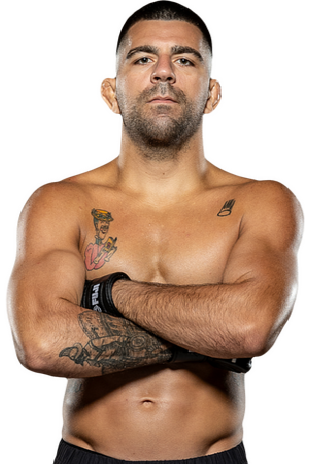 Matt Turnbull
« White Chocolate »
Matt Turnbull
« White Chocolate »
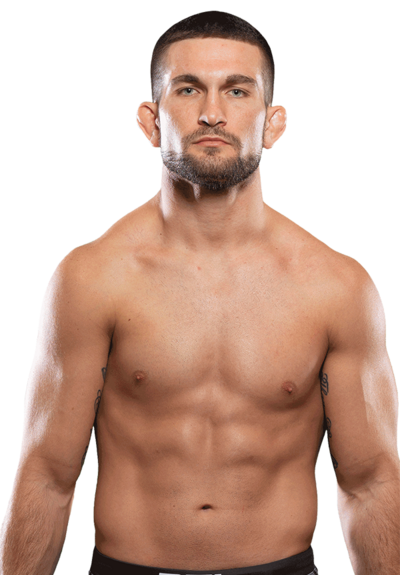 Matt Wagy
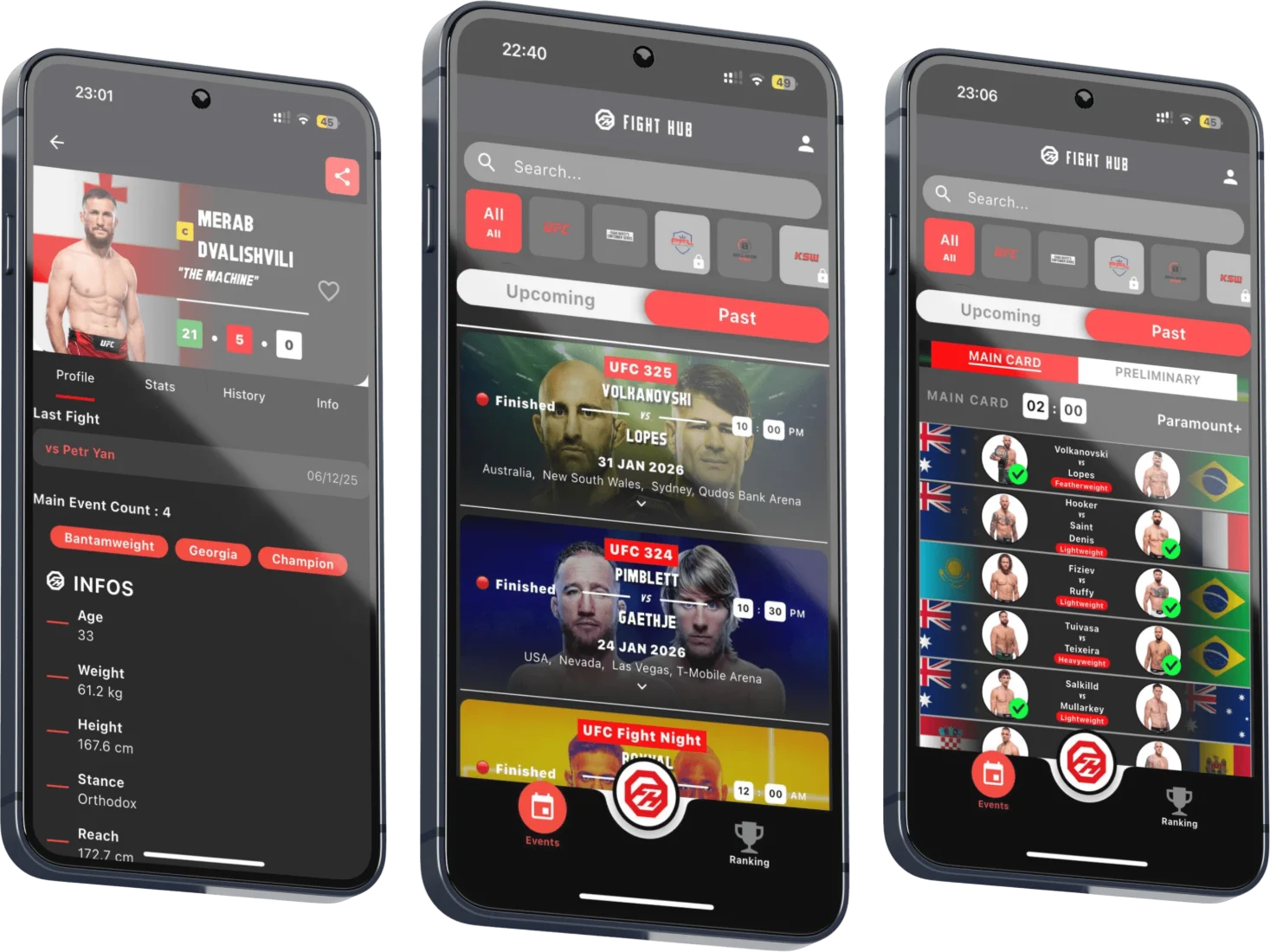
Full fight history, live rankings, upcoming cards and head-to-head comparisons. Free on iOS and Android.