

Country
The United States sends more fighters to professional mixed martial arts than any other country, and the reason is structural rather than accidental. No other nation feeds the sport from a school and university system that already trains hundreds of thousands of young people in a combat discipline every year.
Folkstyle wrestling is taught in American high schools and colleges as a scholastic sport with its own season, its own championships and its own scholarships. Its scoring rewards control and riding time rather than throws, which produces exactly the habits mixed martial arts asks for: taking an opponent down, keeping them there, and standing back up when the position is lost.
The consequence is visible in any American roster. A large share of them arrive with a decade of grappling behind them before they ever throw a punch in competition, and their careers are often a matter of building striking onto that base rather than the reverse. It is the mirror image of the Brazilian path, and the two have been learning from each other for thirty years.
The second feeder is boxing, which supplies footwork, head movement and the sense of distance that pure wrestlers have to be taught. Fighters who combine both — a wrestling base with real hands — are the American archetype.
Underneath the promotions that get televised sits a dense regional circuit spread across the country, where fighters take their first professional bouts close to home. That circuit is why an American prospect can build a double-digit record before ever appearing on a card anyone outside the state has heard of, and why the depth in every weight class runs so far down.
The sport is also regulated state by state, each with its own athletic commission working from the Unified Rules of MMA. The pages below list every American fighter in the catalogue, with their weight class, their gym and how each of their last five fights ended.
How this roster is spread across the weight classes. Follow a division to see its fighters from every country and every promotion.
The gyms that train more than one fighter on this page. Each one has its own hub, with the full roster it has produced.
The cities that keep turning out fighters. No links here on purpose — a page per city would be a dead end. It is context, not navigation.
451–500 of 588 fighters
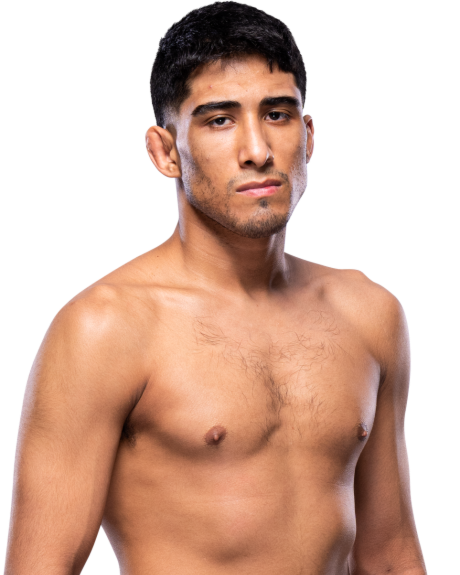 Nick Aguirre
« Slick »
Nick Aguirre
« Slick »
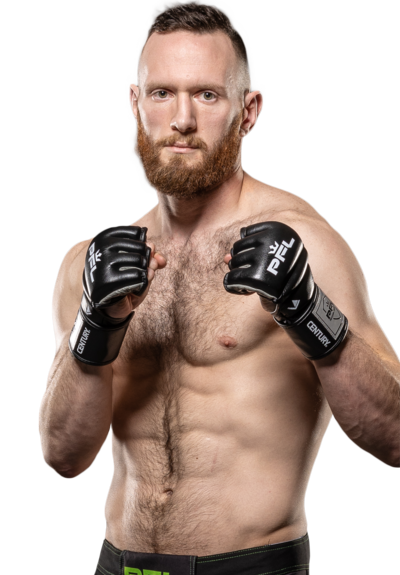 Nick Alley
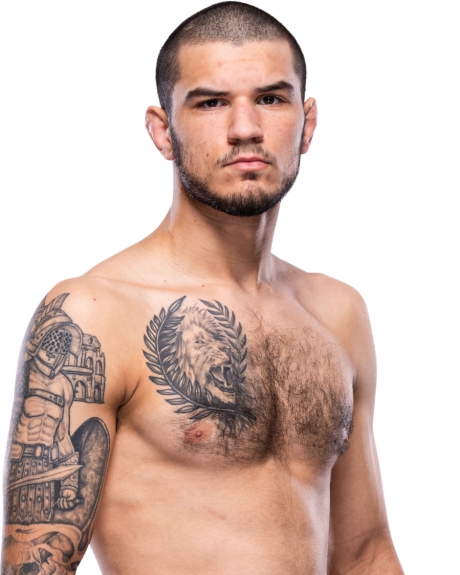 Nick Fiore
« The Destroyer »
Nick Fiore
« The Destroyer »
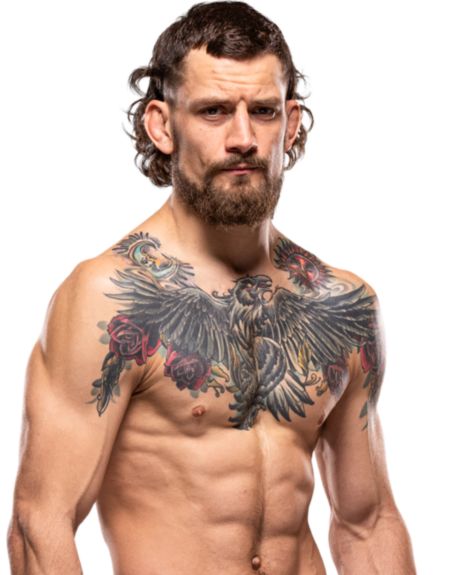 Nick Klein
« Blue Collar »
Nick Klein
« Blue Collar »
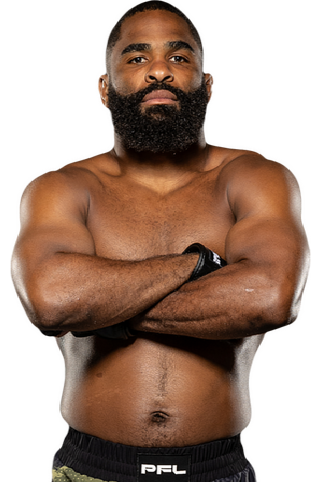 Nick Meck
« KING BLACK CAT »
Nick Meck
« KING BLACK CAT »
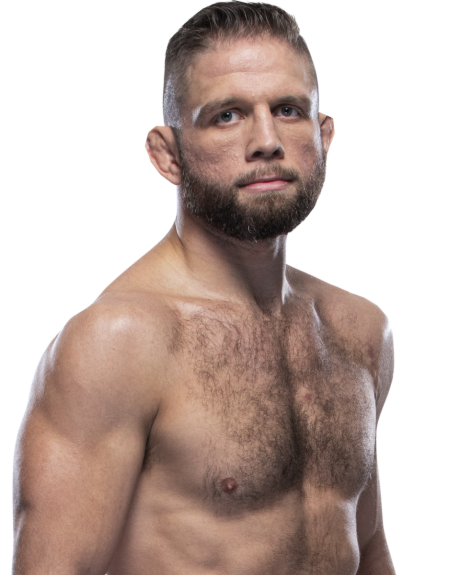 Nik Lentz
« The Carny »
Nik Lentz
« The Carny »
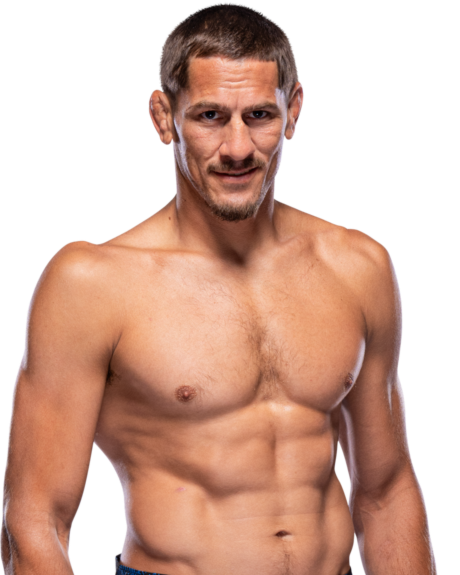 Niko Price
« The Hybrid »
Niko Price
« The Hybrid »
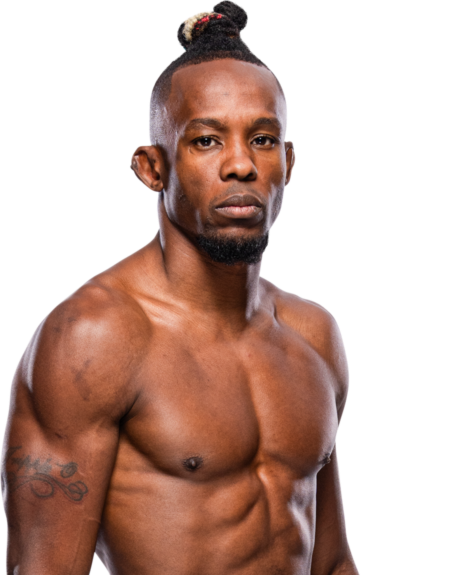 Ode Osbourne
« The Jamaican Sensation »
Ode Osbourne
« The Jamaican Sensation »
 Olivia Parker
 Oluwale Bamgbose
« Holy War Angel »
Oluwale Bamgbose
« Holy War Angel »
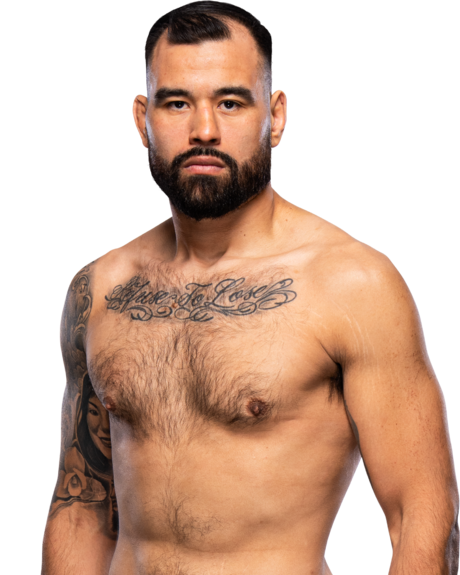 Ozzy Diaz
« Ozzy »
Ozzy Diaz
« Ozzy »
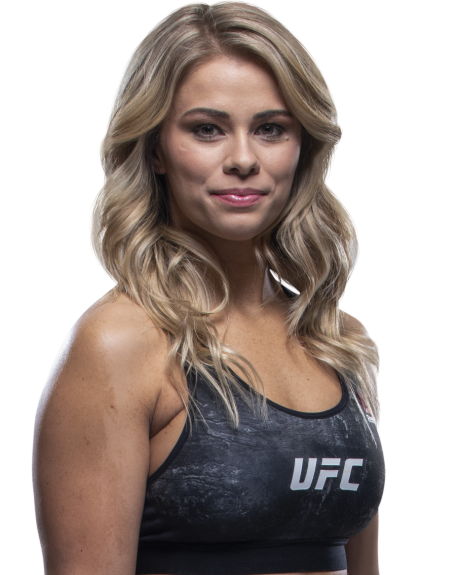 Paige VanZant
« 12 Gauge »
Paige VanZant
« 12 Gauge »
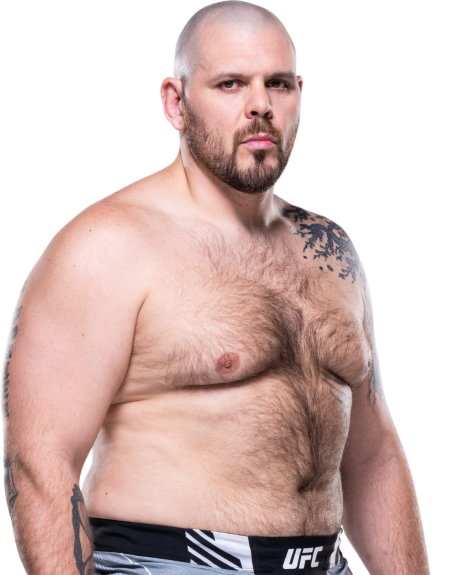 Parker Porter
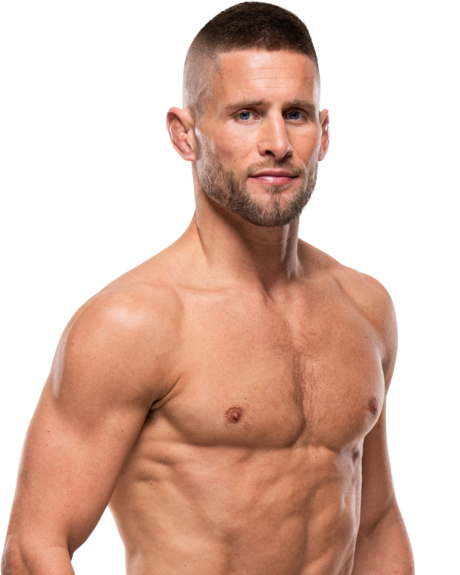 Pat Sabatini
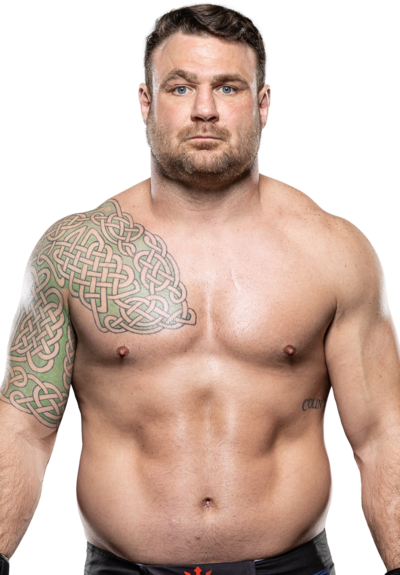 Patrick Brady
« THE BRICK »
Patrick Brady
« THE BRICK »
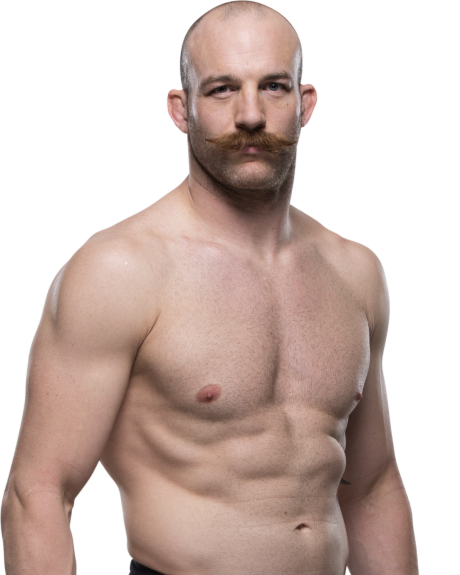 Patrick Cummins
« Durkin »
Patrick Cummins
« Durkin »
 Patrick Williams
« The Animal »
Patrick Williams
« The Animal »
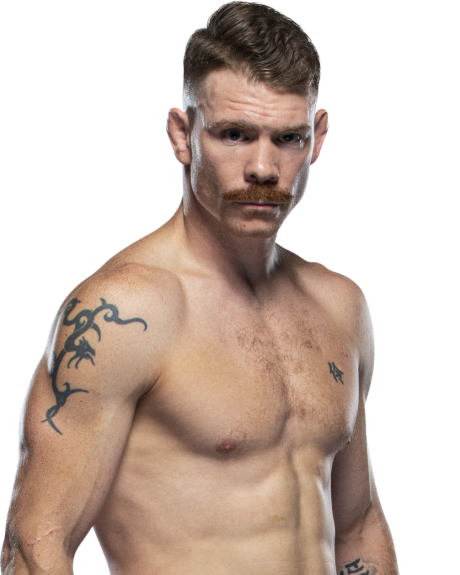 Paul Felder
« The Irish Dragon »
Paul Felder
« The Irish Dragon »
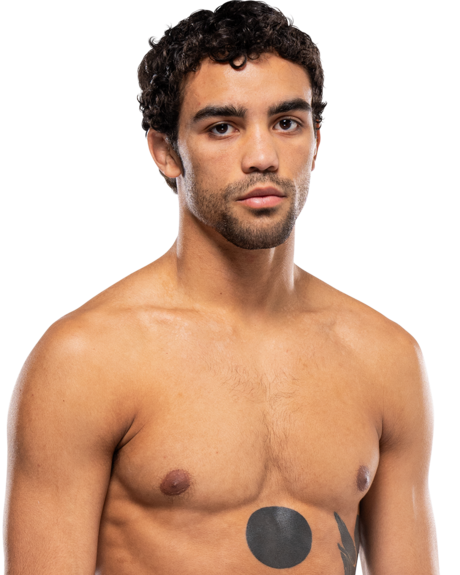 Payton Talbott
 Pearl Gonzalez
« The Chi-Town Princess »
Pearl Gonzalez
« The Chi-Town Princess »
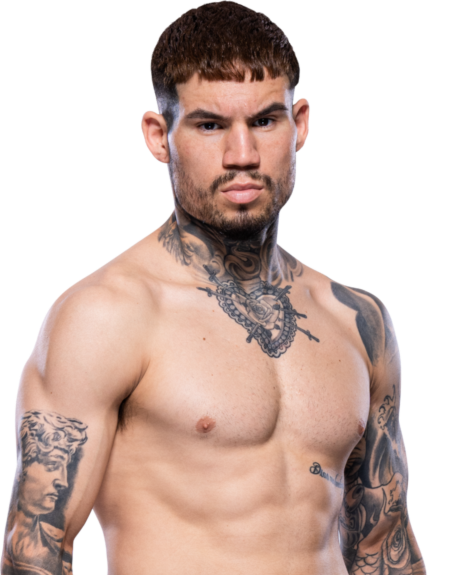 Pete Rodriguez
« Dead Game »
Pete Rodriguez
« Dead Game »
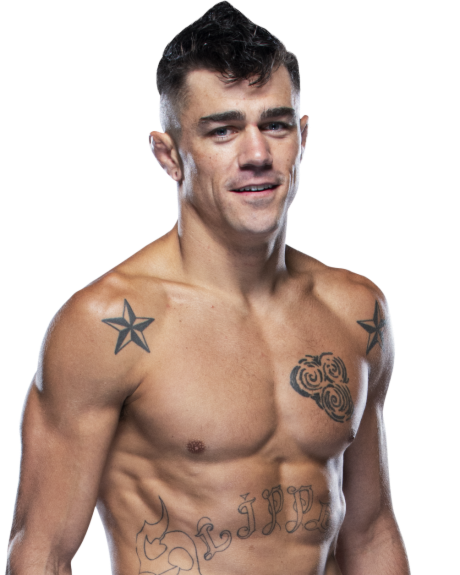 Peter Barrett
« Slippery »
Peter Barrett
« Slippery »
 Peter Petties
« The Joker »
Peter Petties
« The Joker »
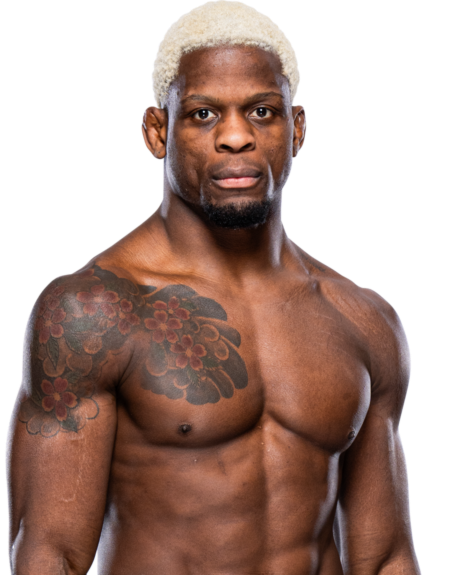 Phil Hawes
« No Hype »
Phil Hawes
« No Hype »
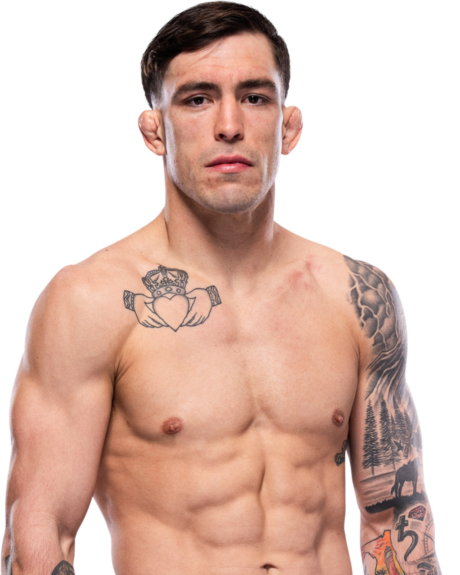 Preston Parsons
« Pressure »
Preston Parsons
« Pressure »
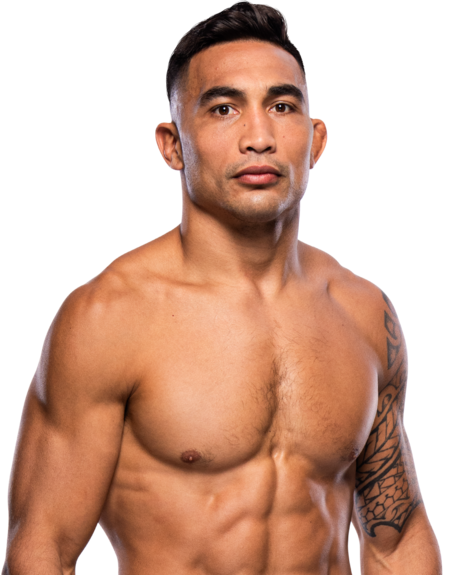 Punahele Soriano
« Puna »
Punahele Soriano
« Puna »
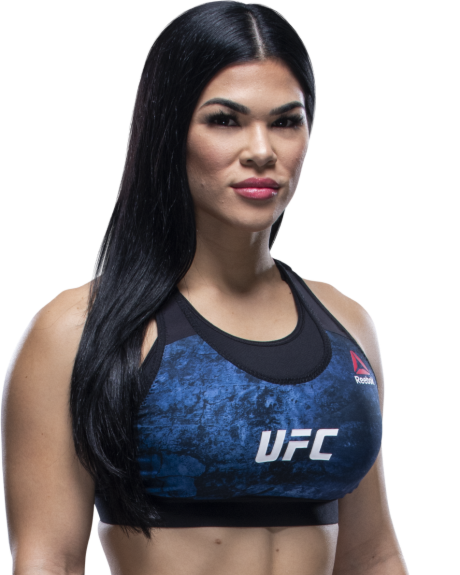 Rachael Ostovich
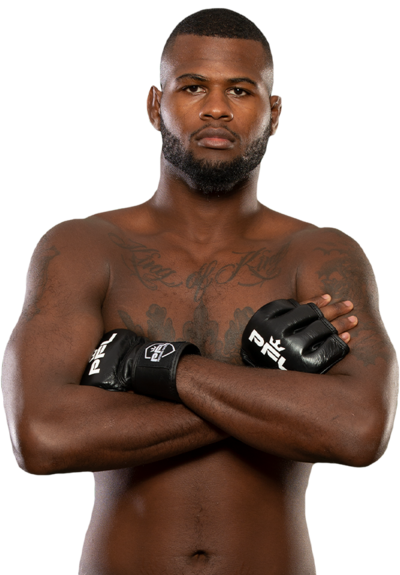 Rakim Cleveland
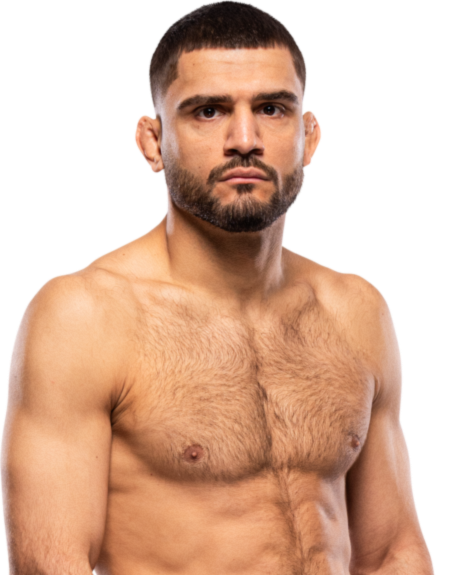 Ramiz Brahimaj
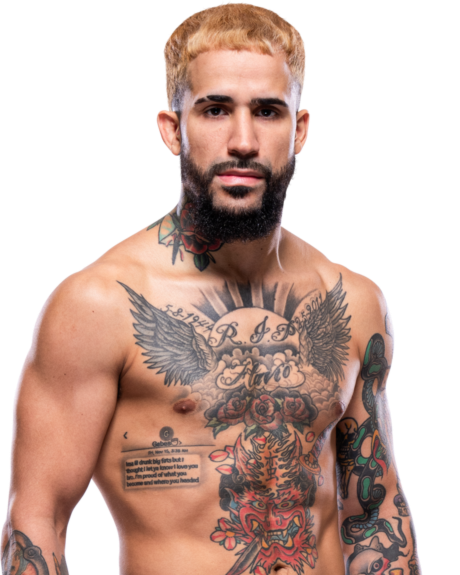 Ramon Taveras
« The Savage »
Ramon Taveras
« The Savage »
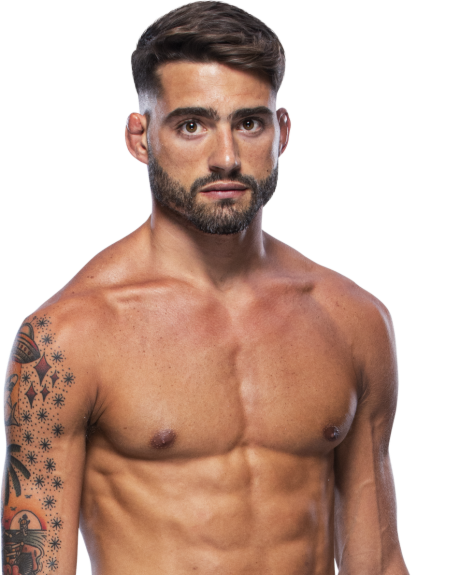 Randy Costa
« The Zohan »
Randy Costa
« The Zohan »
 Raquel Pennington
« Rocky »
Raquel Pennington
« Rocky »
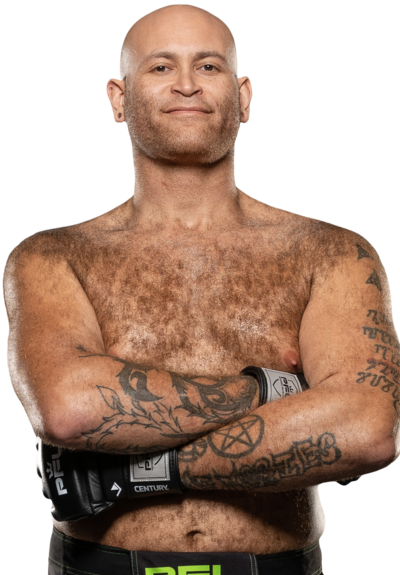 Ras Hylton
« THE JAMAICAN SHAMROCK »
Ras Hylton
« THE JAMAICAN SHAMROCK »
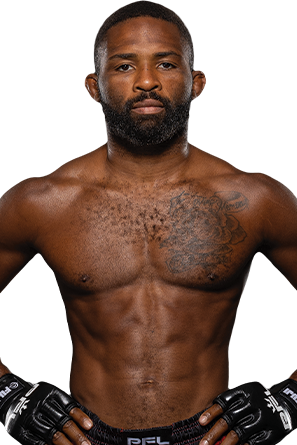 Raufeon Stots
« SUPA »
Raufeon Stots
« SUPA »
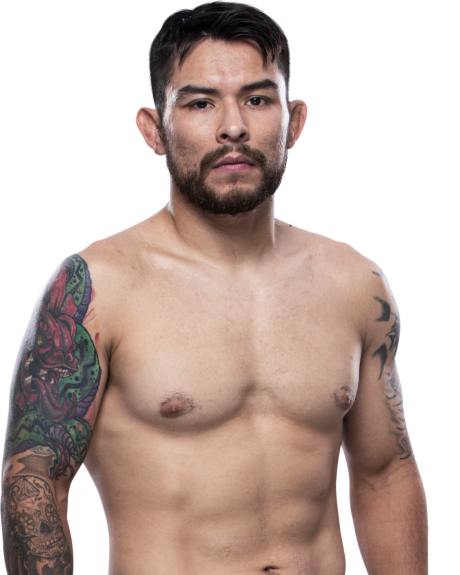 Ray Borg
« The Tazmexican Devil »
Ray Borg
« The Tazmexican Devil »
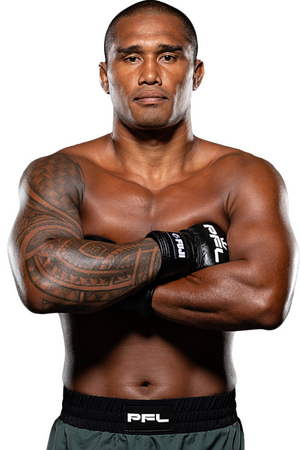 Ray Cooper III
« BRADDA BOY »
Ray Cooper III
« BRADDA BOY »
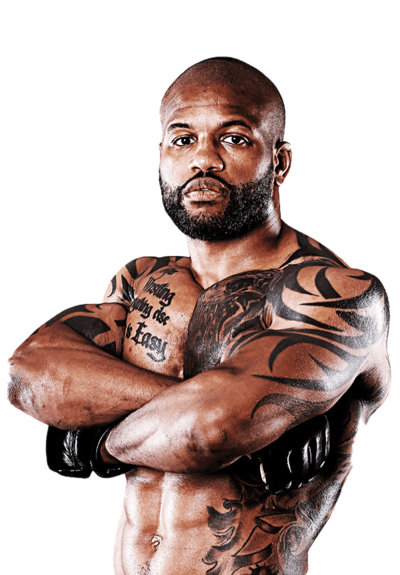 Rex Harris
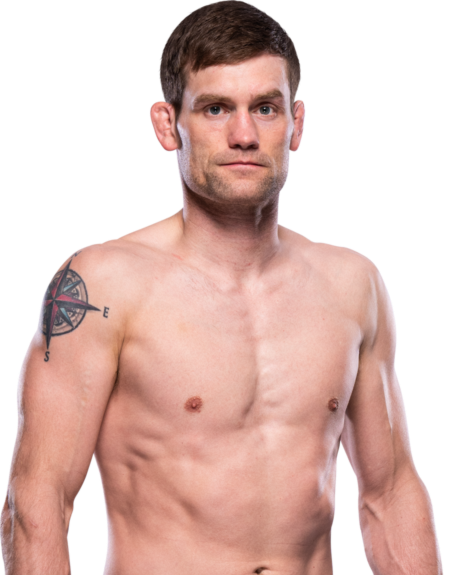 Ricky Glenn
« The Gladiator »
Ricky Glenn
« The Gladiator »
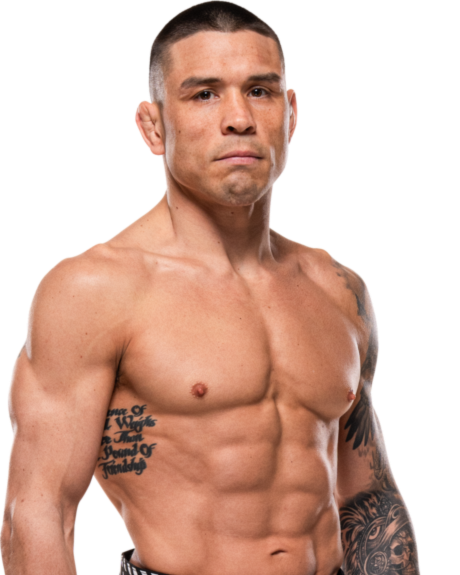 Ricky Simon
 Robert Ring
« Razor »
Robert Ring
« Razor »
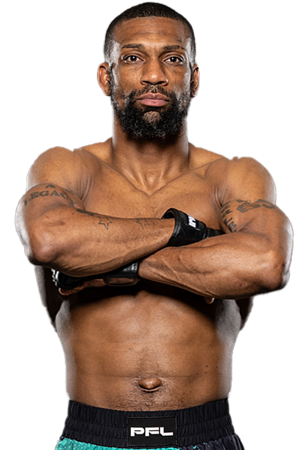 Robert Watley
« CONTACT »
Robert Watley
« CONTACT »
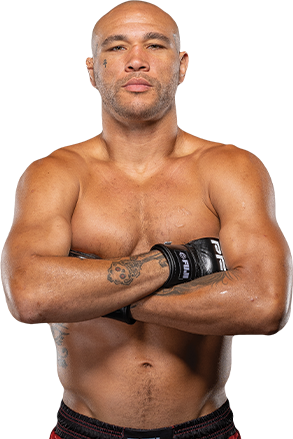 Roland Dunlap
« The Dream »
Roland Dunlap
« The Dream »
 Ronda Rousey
« Rowdy »
Ronda Rousey
« Rowdy »
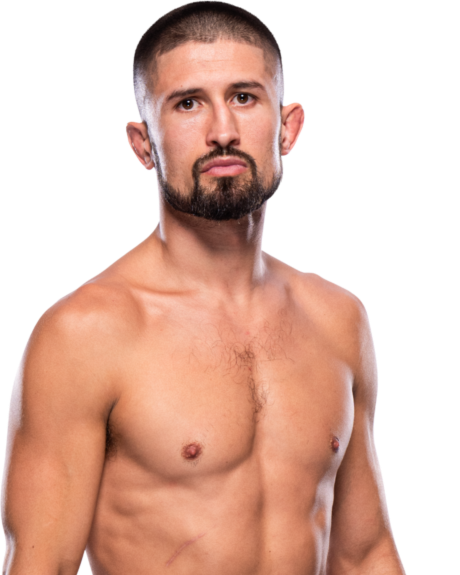 Ronnie Lawrence
« The Heat »
Ronnie Lawrence
« The Heat »
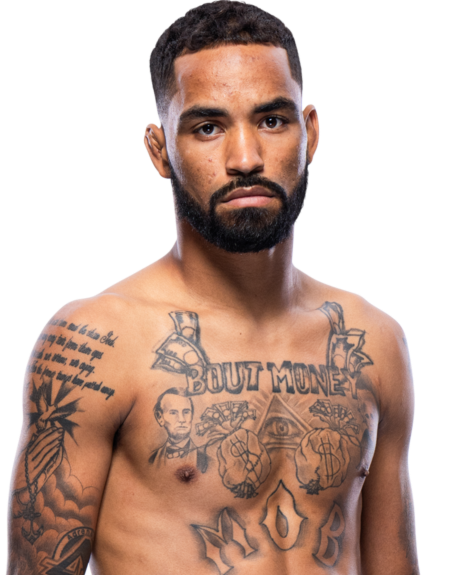 Roosevelt Roberts
« The Predator »
Roosevelt Roberts
« The Predator »
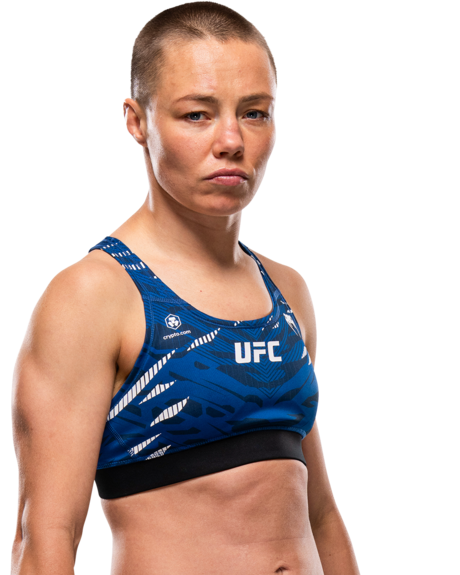 Rose Namajunas
« Thug »
Rose Namajunas
« Thug »
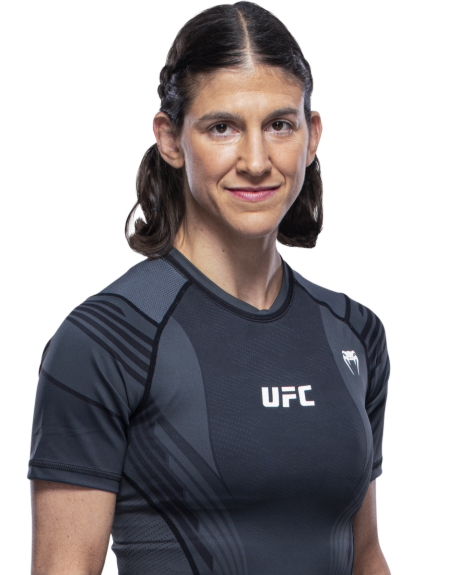 Roxanne Modafferi
« The Happy Warrior »
Roxanne Modafferi
« The Happy Warrior »
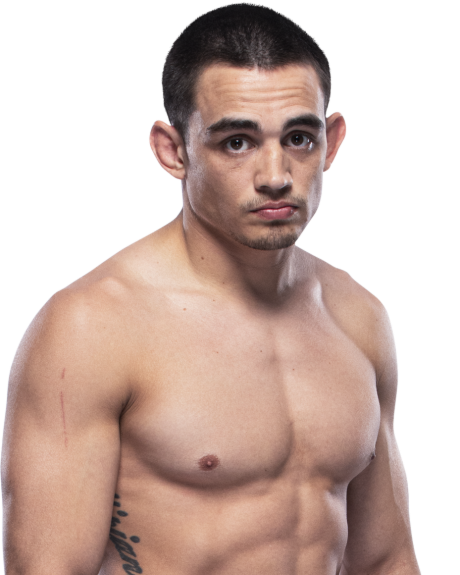 Ryan Benoit
« Baby Face »
Ryan Benoit
« Baby Face »
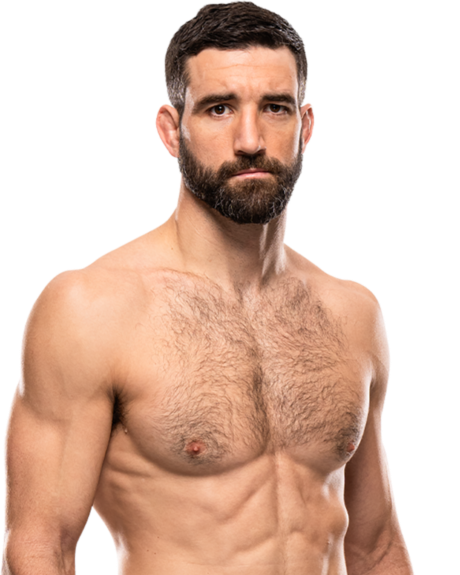 Ryan Loder
« Man Of Steel »
Ryan Loder
« Man Of Steel »
 Ryan MacDonald
« Main Event »
Ryan MacDonald
« Main Event »
Full fight history, live rankings, upcoming cards and head-to-head comparisons. Free on iOS and Android.