

Country
The United States sends more fighters to professional mixed martial arts than any other country, and the reason is structural rather than accidental. No other nation feeds the sport from a school and university system that already trains hundreds of thousands of young people in a combat discipline every year.
Folkstyle wrestling is taught in American high schools and colleges as a scholastic sport with its own season, its own championships and its own scholarships. Its scoring rewards control and riding time rather than throws, which produces exactly the habits mixed martial arts asks for: taking an opponent down, keeping them there, and standing back up when the position is lost.
The consequence is visible in any American roster. A large share of them arrive with a decade of grappling behind them before they ever throw a punch in competition, and their careers are often a matter of building striking onto that base rather than the reverse. It is the mirror image of the Brazilian path, and the two have been learning from each other for thirty years.
The second feeder is boxing, which supplies footwork, head movement and the sense of distance that pure wrestlers have to be taught. Fighters who combine both — a wrestling base with real hands — are the American archetype.
Underneath the promotions that get televised sits a dense regional circuit spread across the country, where fighters take their first professional bouts close to home. That circuit is why an American prospect can build a double-digit record before ever appearing on a card anyone outside the state has heard of, and why the depth in every weight class runs so far down.
The sport is also regulated state by state, each with its own athletic commission working from the Unified Rules of MMA. The pages below list every American fighter in the catalogue, with their weight class, their gym and how each of their last five fights ended.
How this roster is spread across the weight classes. Follow a division to see its fighters from every country and every promotion.
The gyms that train more than one fighter on this page. Each one has its own hub, with the full roster it has produced.
The cities that keep turning out fighters. No links here on purpose — a page per city would be a dead end. It is context, not navigation.
501–550 of 588 fighters
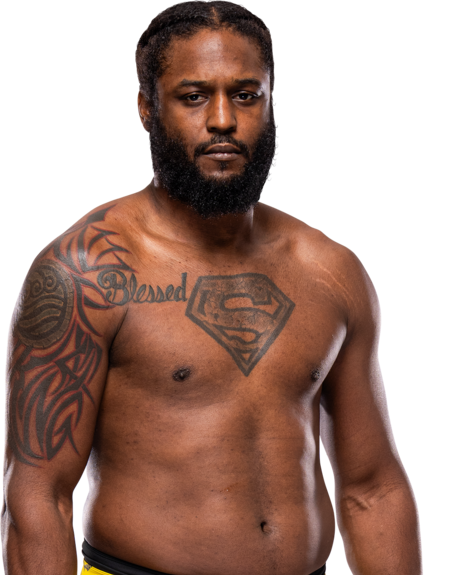 Ryan Spann
« Superman »
Ryan Spann
« Superman »
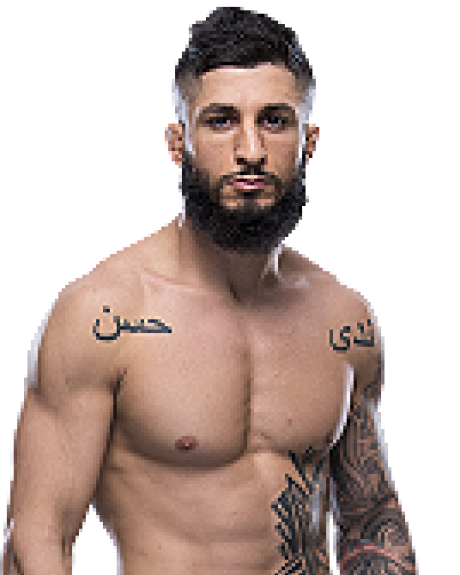 Sabah Homasi
« The Sleek Sheik »
Sabah Homasi
« The Sleek Sheik »
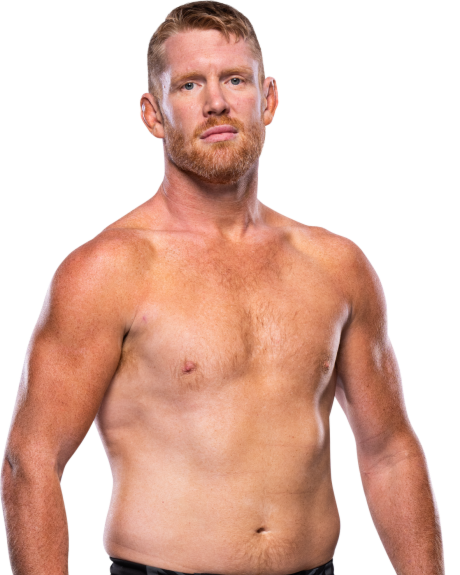 Sam Alvey
« Smile'N »
Sam Alvey
« Smile'N »
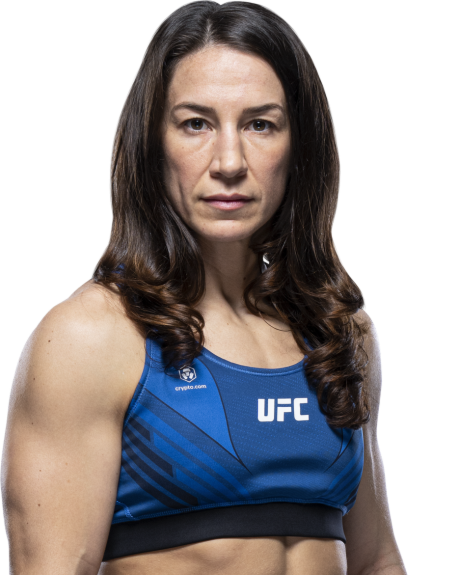 Sara McMann
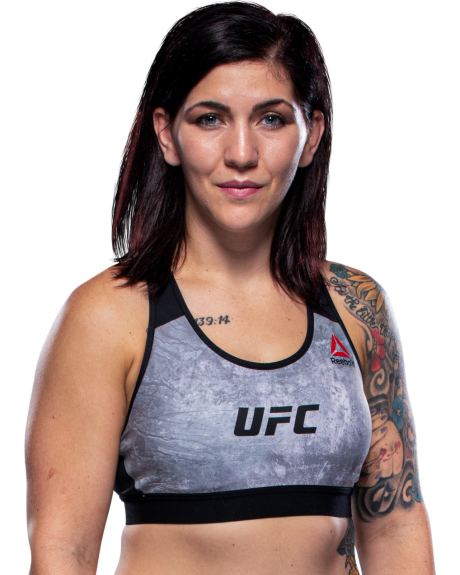 Sarah Alpar
« Too Sweet »
Sarah Alpar
« Too Sweet »
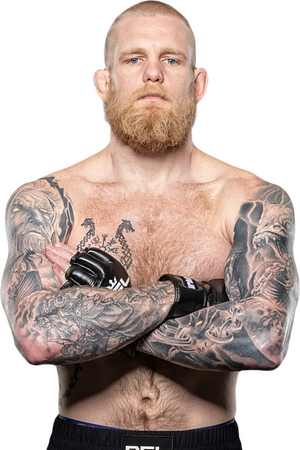 Sarek Shields
« BERSERKER »
Sarek Shields
« BERSERKER »
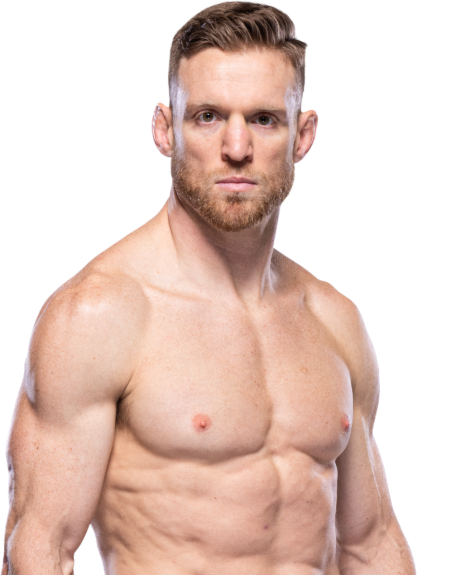 Scott Holtzman
« Hot Sauce »
Scott Holtzman
« Hot Sauce »
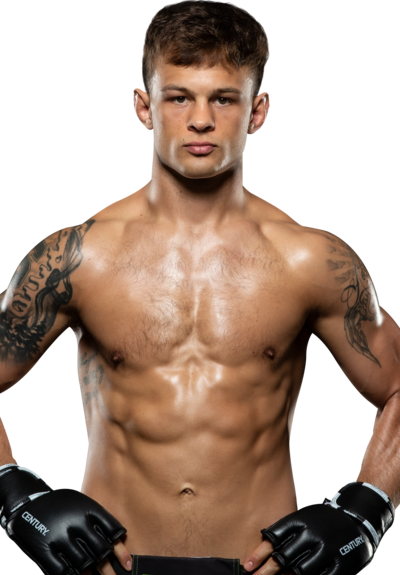 Scottie Stockman
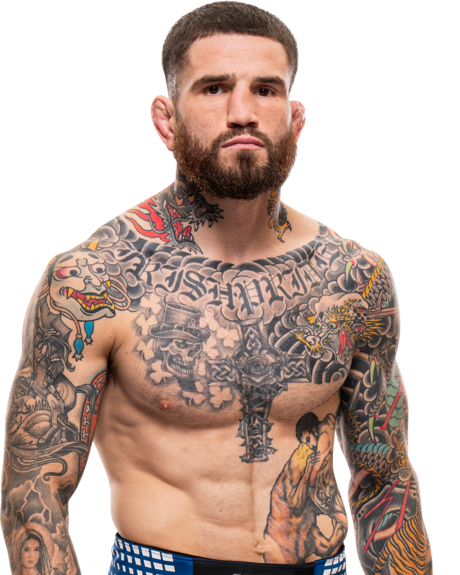 Sean Brady
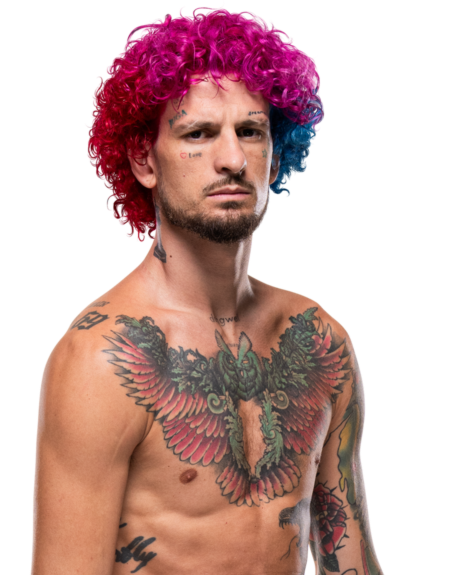 Sean O'Malley
« Suga »
Sean O'Malley
« Suga »
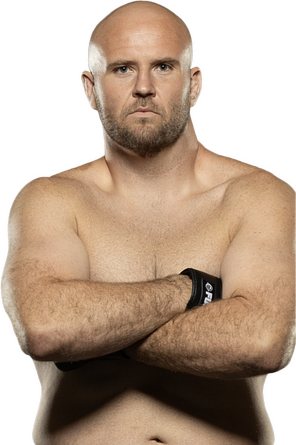 Sean Rose
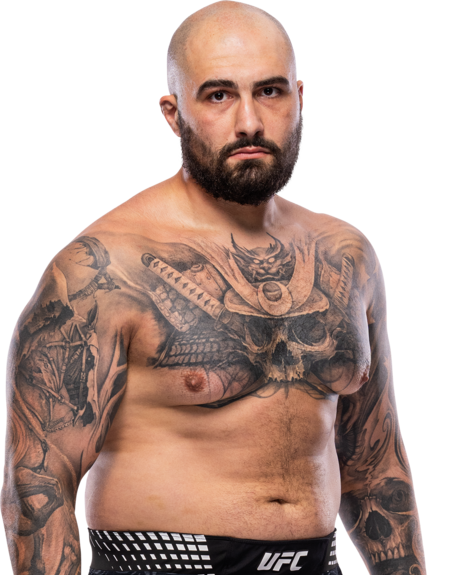 Sean Sharaf
« The Smoke »
Sean Sharaf
« The Smoke »
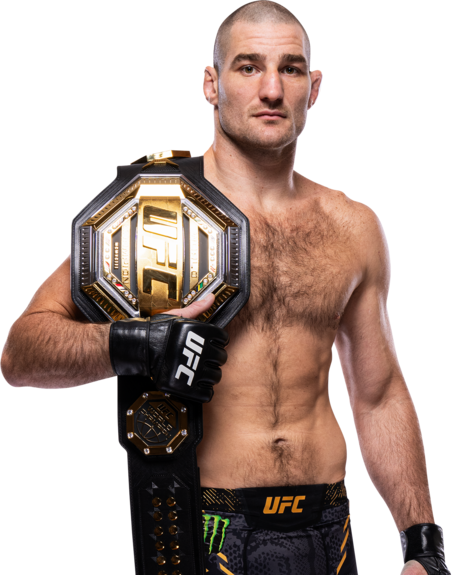 Sean Strickland
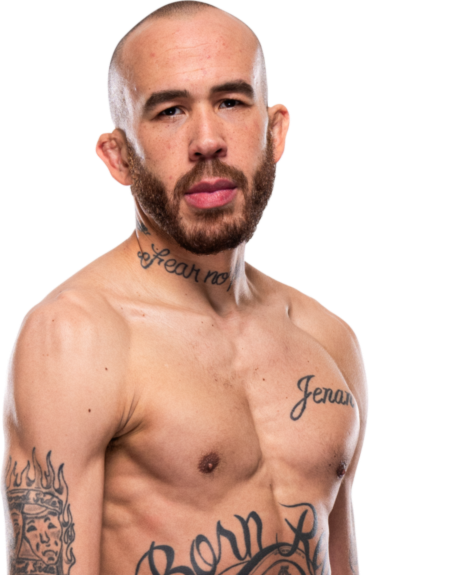 Sean Woodson
« The Sniper »
Sean Woodson
« The Sniper »
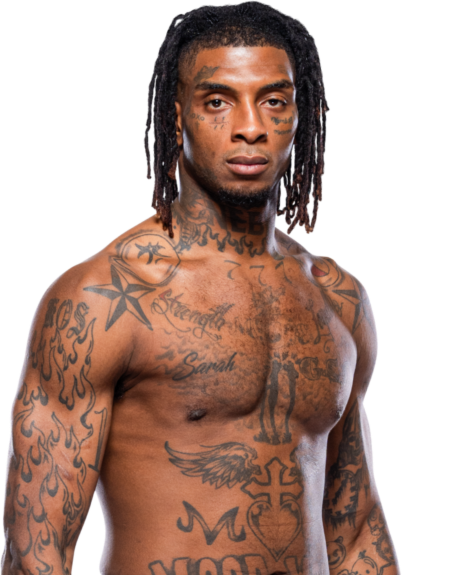 Sedriques Dumas
« The Reaper »
Sedriques Dumas
« The Reaper »
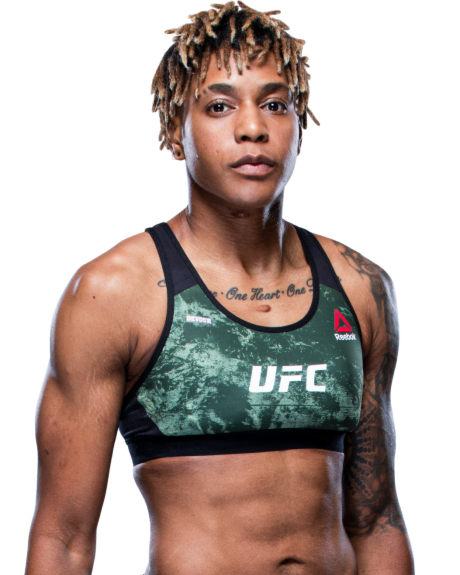 Shana Dobson
« Danger »
Shana Dobson
« Danger »
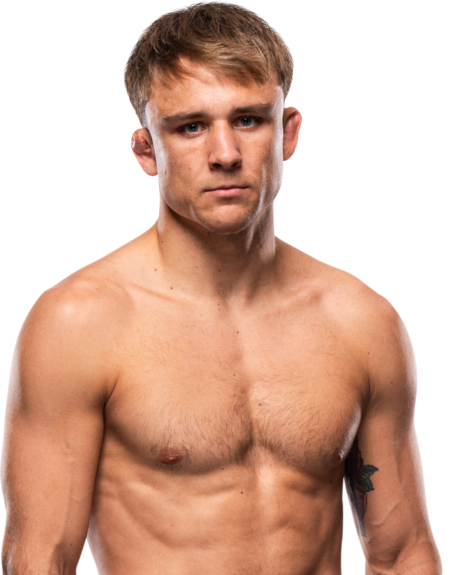 Shane Collins
« Hollywood »
Shane Collins
« Hollywood »
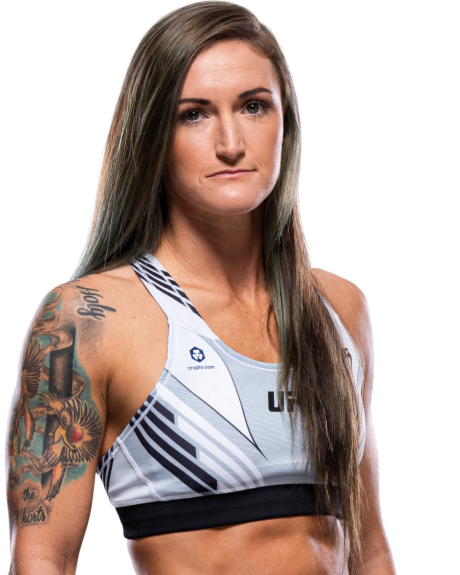 Shanna Young
« The Shanimal »
Shanna Young
« The Shanimal »
 Shawn Stefanelli
 Shayna Baszler
« The Queen of Spades »
Shayna Baszler
« The Queen of Spades »
 Sidney Outlaw
« Shogun »
Sidney Outlaw
« Shogun »
 Sijara Eubanks
« Sarj »
Sijara Eubanks
« Sarj »
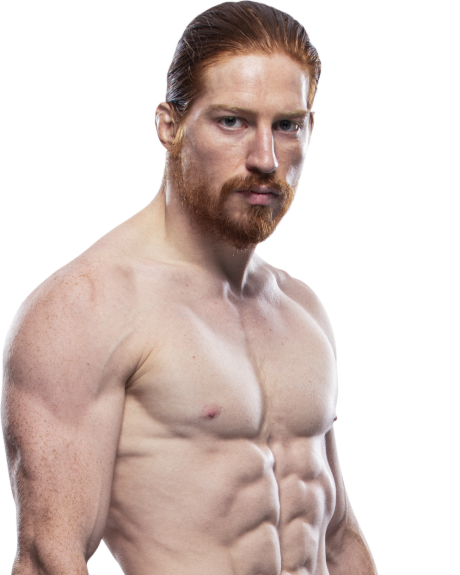 Spike Carlyle
« The Alpha Ginger »
Spike Carlyle
« The Alpha Ginger »
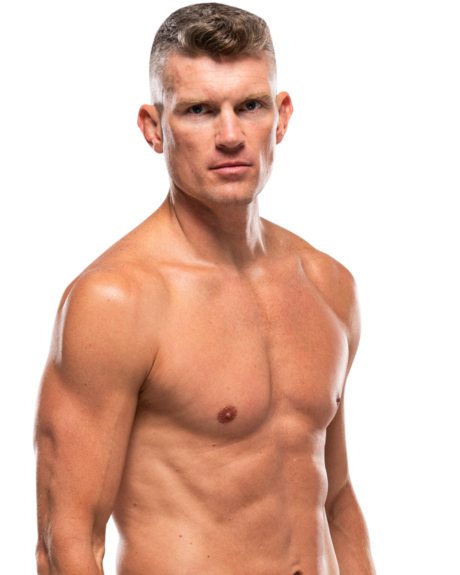 Stephen Thompson
« Wonderboy »
Stephen Thompson
« Wonderboy »
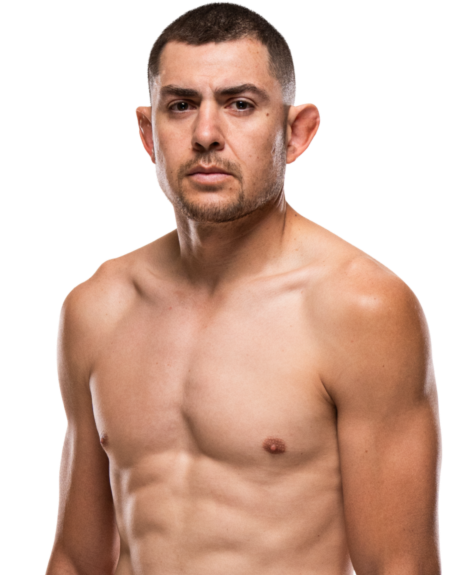 Steve Garcia
« Mean Machine »
Steve Garcia
« Mean Machine »
 Steve Mowry
« TALL »
Steve Mowry
« TALL »
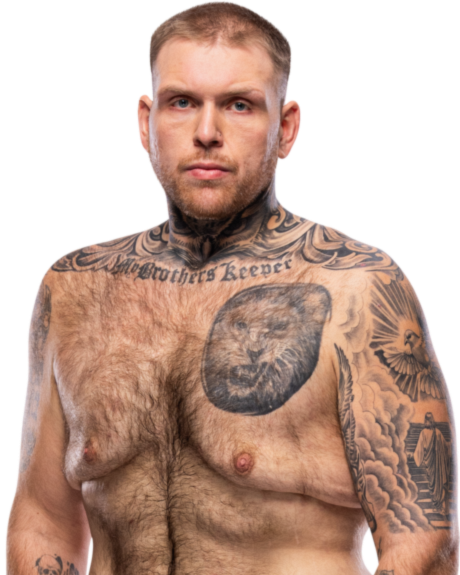 Steven Asplund
« Concrete »
Steven Asplund
« Concrete »
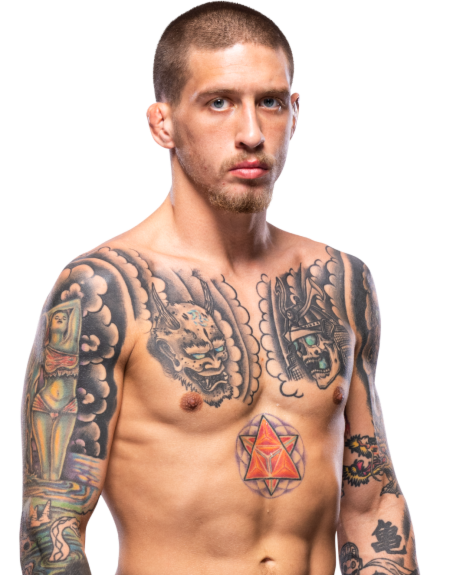 Steven Koslow
« Obi Won Shinobi The Pillow »
Steven Koslow
« Obi Won Shinobi The Pillow »
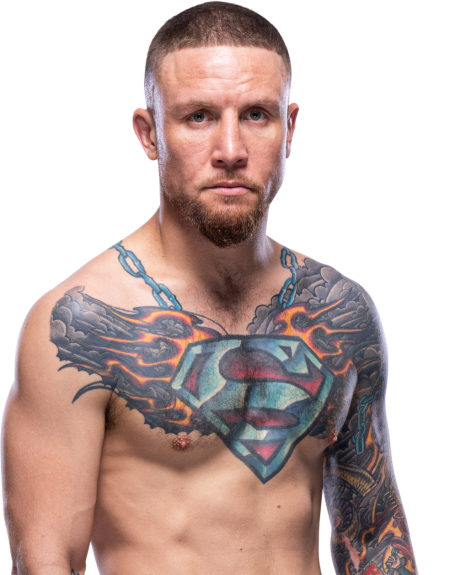 Steven Peterson
« Ocho »
Steven Peterson
« Ocho »
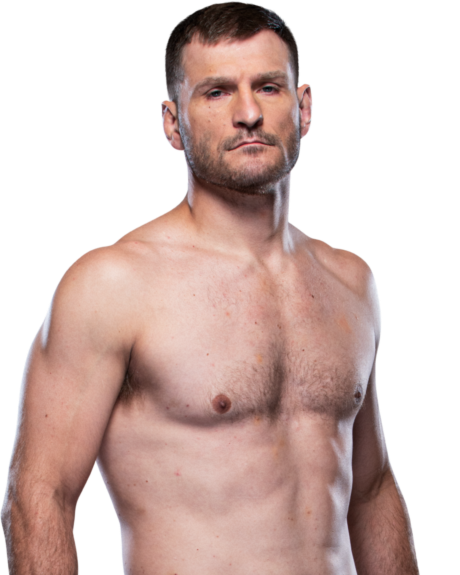 Stipe Miocic
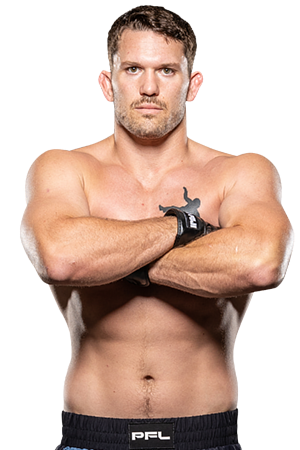 Sullivan Cauley
« SULLY »
Sullivan Cauley
« SULLY »
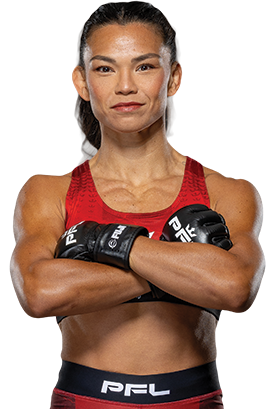 Sumiko Inaba
« LADY SAMURAI »
Sumiko Inaba
« LADY SAMURAI »
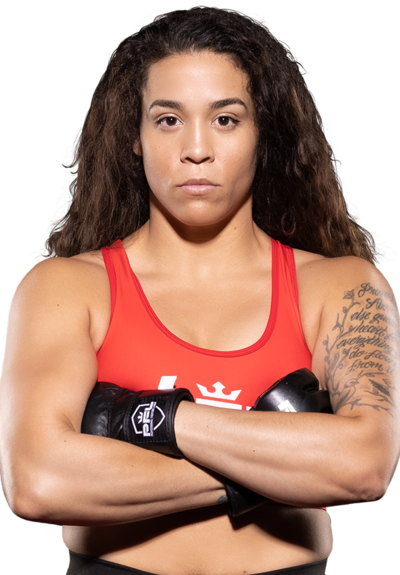 Taylor Guardado
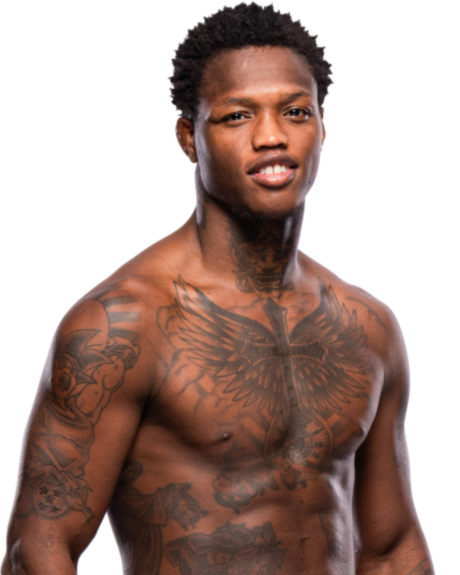 Terrance McKinney
« T.Wrecks »
Terrance McKinney
« T.Wrecks »
 Terrion Ware
« Flash »
Terrion Ware
« Flash »
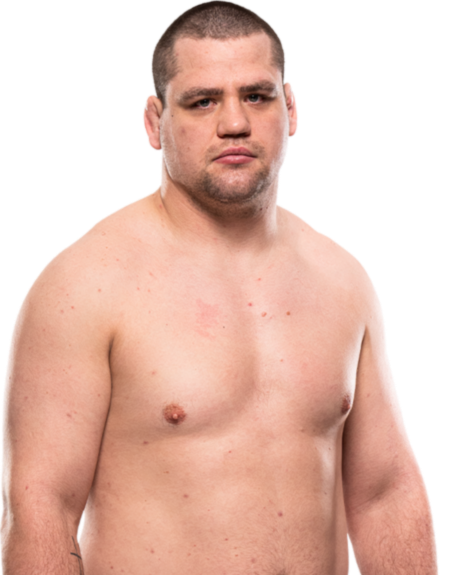 Thomas Petersen
« The Train »
Thomas Petersen
« The Train »
 Tiffany Masters
« Rainbow Renegade »
Tiffany Masters
« Rainbow Renegade »
 Tim Elliott
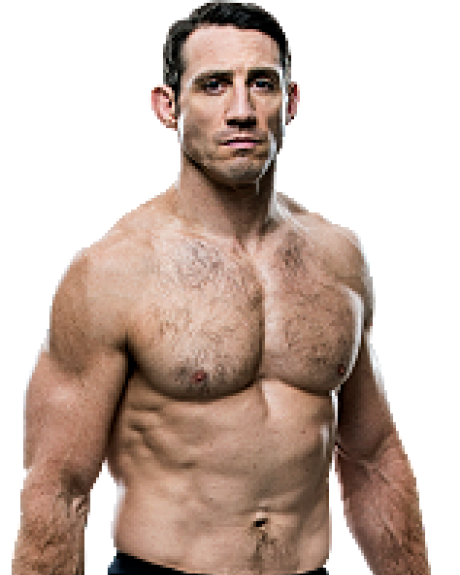 Tim Kennedy
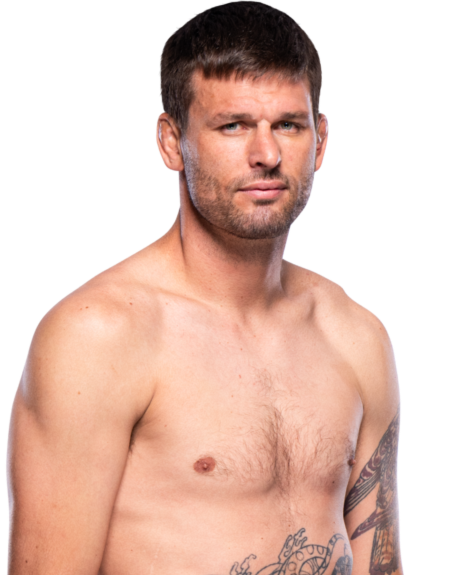 Tim Means
« The Dirty Bird »
Tim Means
« The Dirty Bird »
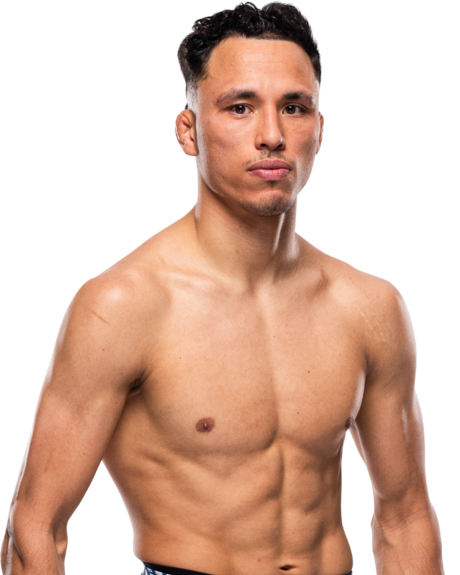 Timmy Cuamba
« Twilight »
Timmy Cuamba
« Twilight »
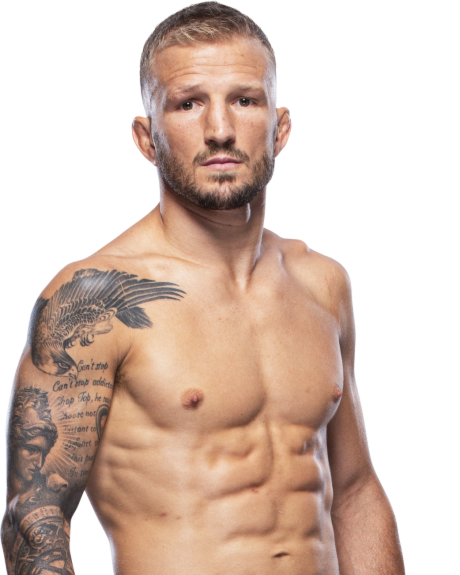 TJ Dillashaw
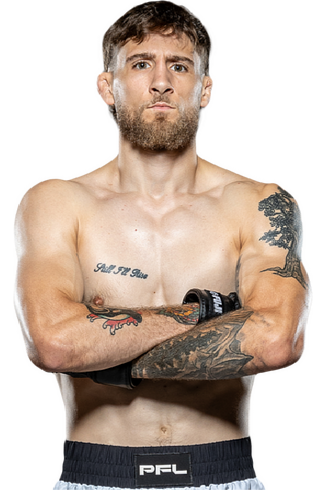 Tom Pagliarulo
« The Phenom »
Tom Pagliarulo
« The Phenom »
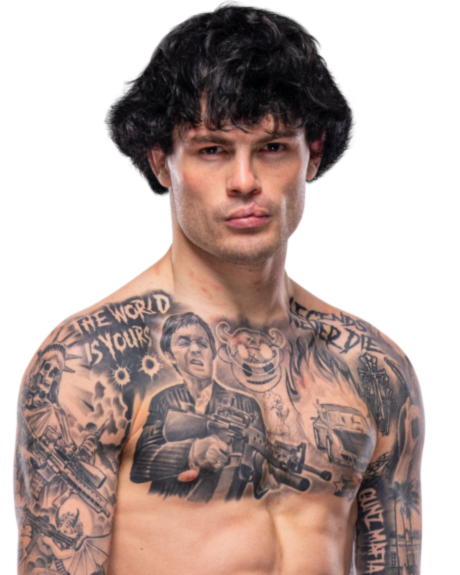 Tommy McMillen
« Gun »
Tommy McMillen
« Gun »
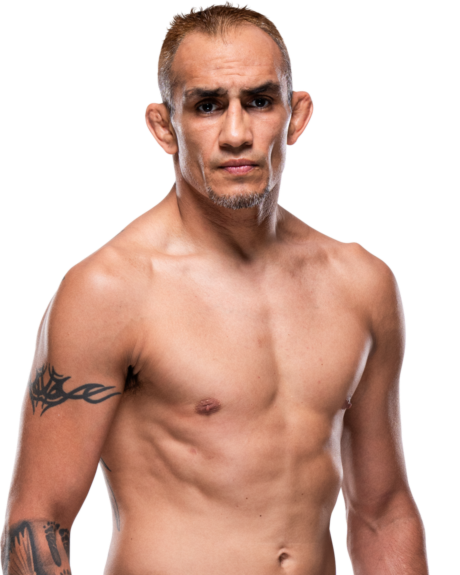 Tony Ferguson
« El Cucuy »
Tony Ferguson
« El Cucuy »
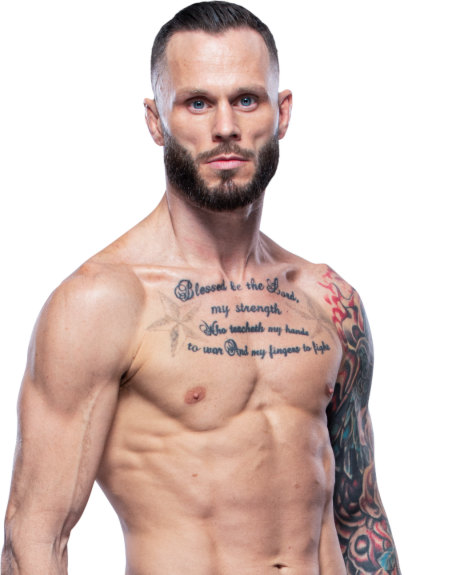 Tony Kelley
« PrimeTime »
Tony Kelley
« PrimeTime »
 Tony Sims
« 2.0 »
Tony Sims
« 2.0 »
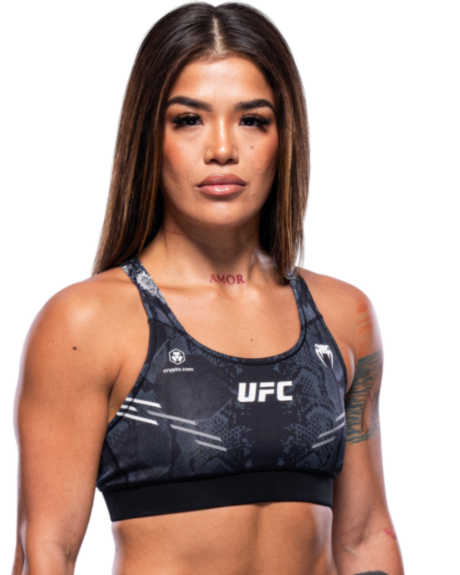 Tracy Cortez
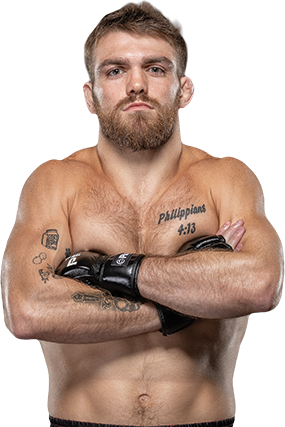 Tracy Reeder
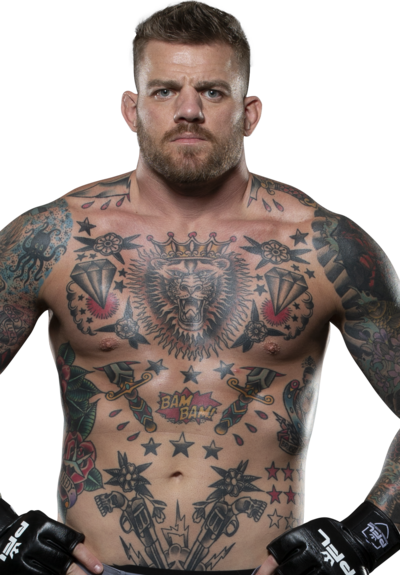 Travis Davis
« BAM BAM »
Travis Davis
« BAM BAM »
Full fight history, live rankings, upcoming cards and head-to-head comparisons. Free on iOS and Android.