

Country
The United States sends more fighters to professional mixed martial arts than any other country, and the reason is structural rather than accidental. No other nation feeds the sport from a school and university system that already trains hundreds of thousands of young people in a combat discipline every year.
Folkstyle wrestling is taught in American high schools and colleges as a scholastic sport with its own season, its own championships and its own scholarships. Its scoring rewards control and riding time rather than throws, which produces exactly the habits mixed martial arts asks for: taking an opponent down, keeping them there, and standing back up when the position is lost.
The consequence is visible in any American roster. A large share of them arrive with a decade of grappling behind them before they ever throw a punch in competition, and their careers are often a matter of building striking onto that base rather than the reverse. It is the mirror image of the Brazilian path, and the two have been learning from each other for thirty years.
The second feeder is boxing, which supplies footwork, head movement and the sense of distance that pure wrestlers have to be taught. Fighters who combine both — a wrestling base with real hands — are the American archetype.
Underneath the promotions that get televised sits a dense regional circuit spread across the country, where fighters take their first professional bouts close to home. That circuit is why an American prospect can build a double-digit record before ever appearing on a card anyone outside the state has heard of, and why the depth in every weight class runs so far down.
The sport is also regulated state by state, each with its own athletic commission working from the Unified Rules of MMA. The pages below list every American fighter in the catalogue, with their weight class, their gym and how each of their last five fights ended.
How this roster is spread across the weight classes. Follow a division to see its fighters from every country and every promotion.
The gyms that train more than one fighter on this page. Each one has its own hub, with the full roster it has produced.
The cities that keep turning out fighters. No links here on purpose — a page per city would be a dead end. It is context, not navigation.
151–200 of 588 fighters
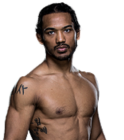
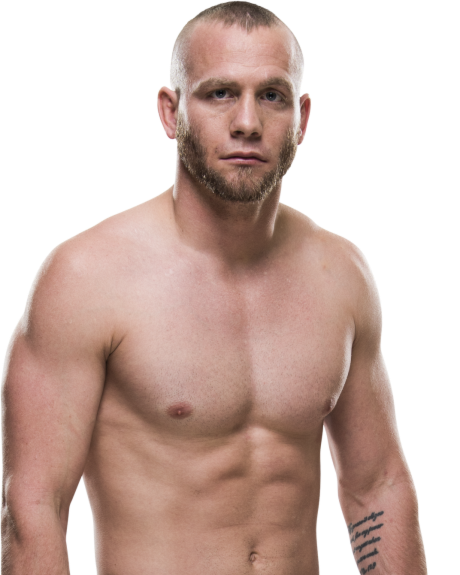 Darrell Horcher
« The Saint »
Darrell Horcher
« The Saint »
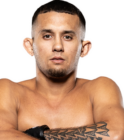
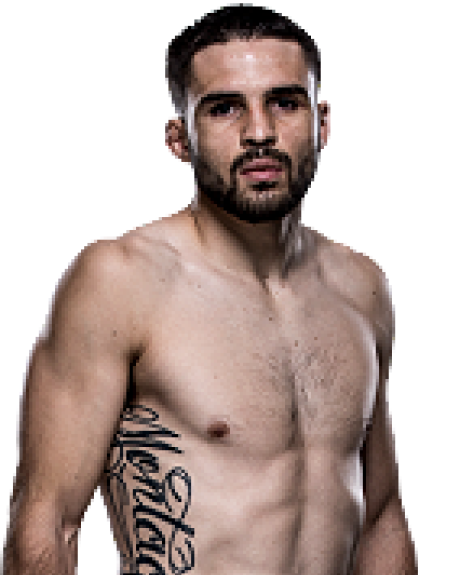 Darrell Montague
« Mongoose »
Darrell Montague
« Mongoose »
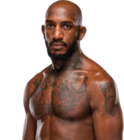
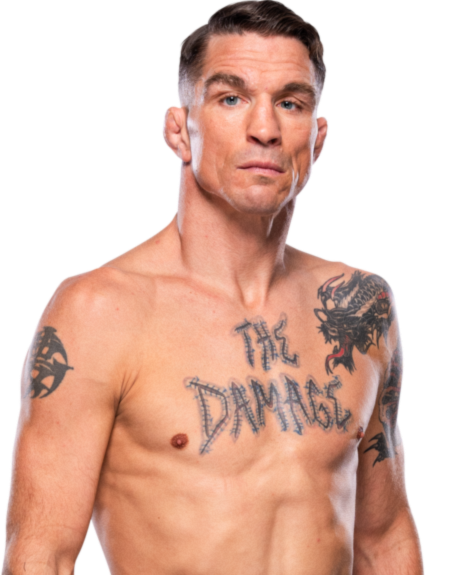 Darren Elkins
« The Damage »
Darren Elkins
« The Damage »
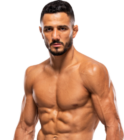
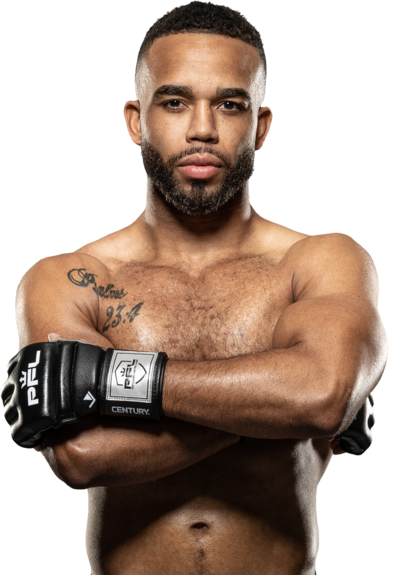 David Evans
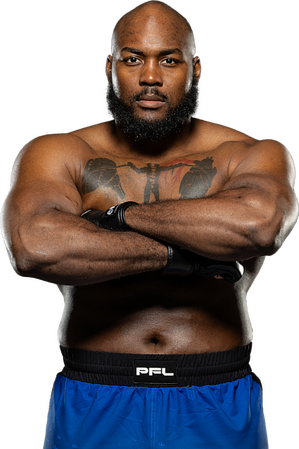 Davion Franklin
« ALL DAY »
Davion Franklin
« ALL DAY »
 DeAnna Bennett
« Vitamin D »
DeAnna Bennett
« Vitamin D »
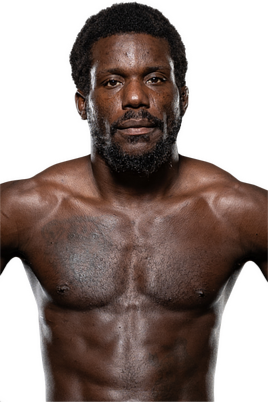 Dedrek Sanders
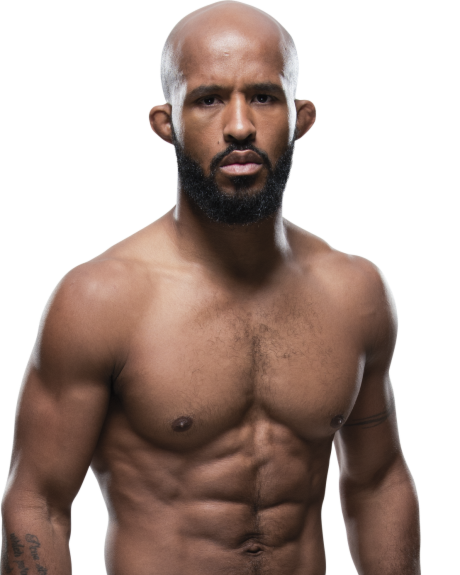 Demetrious Johnson
« Mighty Mouse »
Demetrious Johnson
« Mighty Mouse »
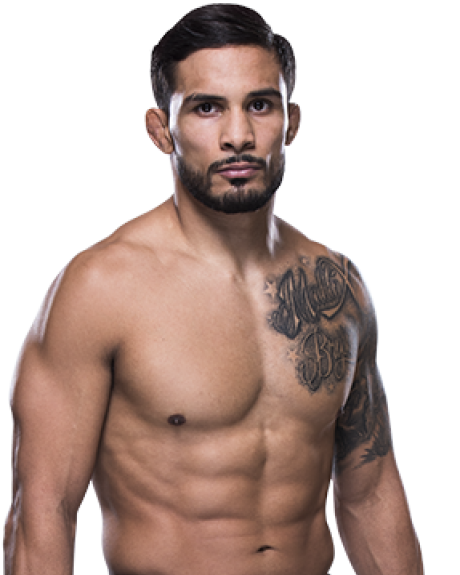 Dennis Bermudez
« The Menace »
Dennis Bermudez
« The Menace »
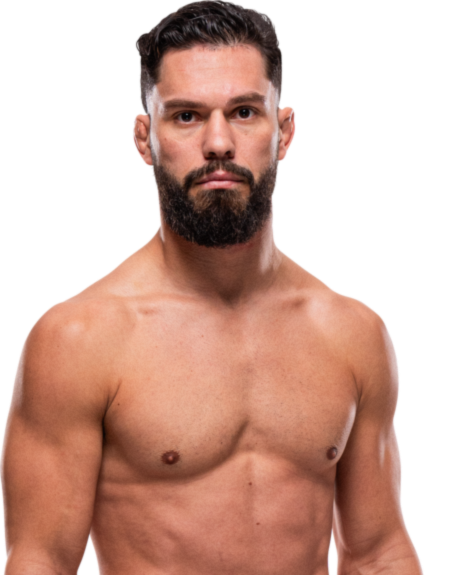 Dennis Buzukja
« The Great »
Dennis Buzukja
« The Great »
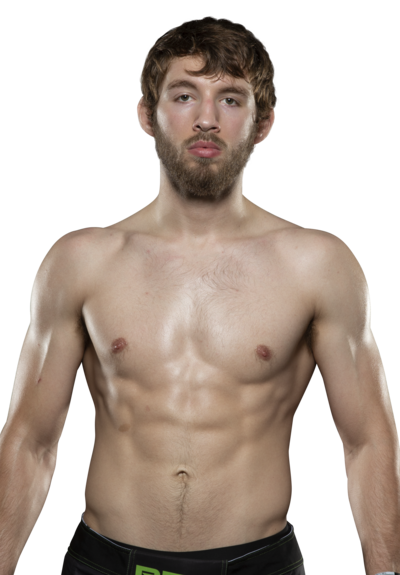 Dennis Hughes
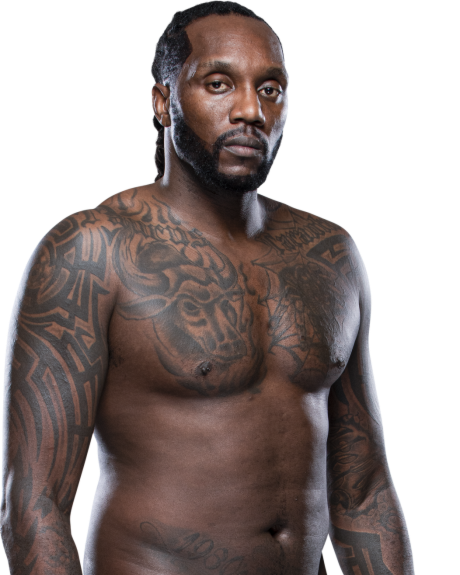 Dequan Townsend
« The Tarantula »
Dequan Townsend
« The Tarantula »
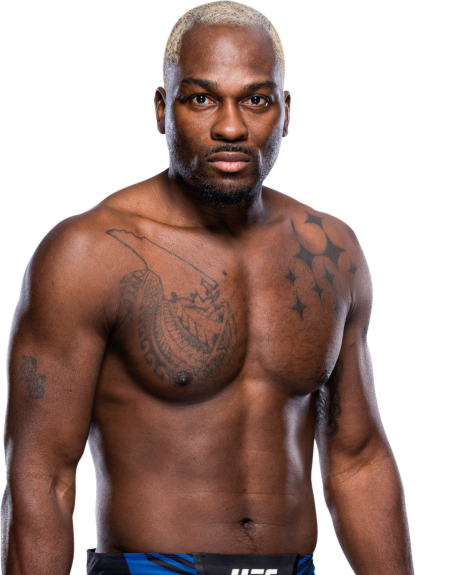 Derek Brunson
« The One »
Derek Brunson
« The One »
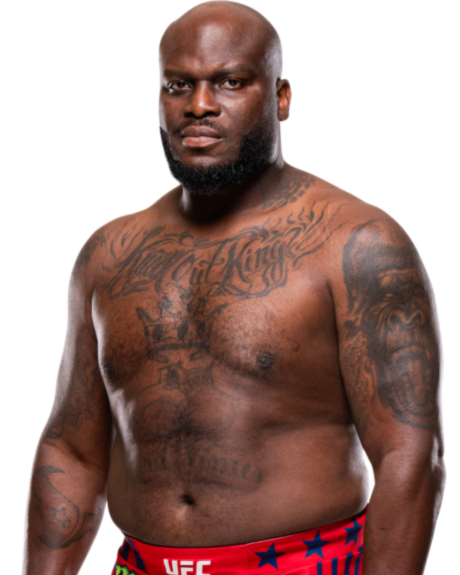 Derrick Lewis
« The Black Beast »
Derrick Lewis
« The Black Beast »
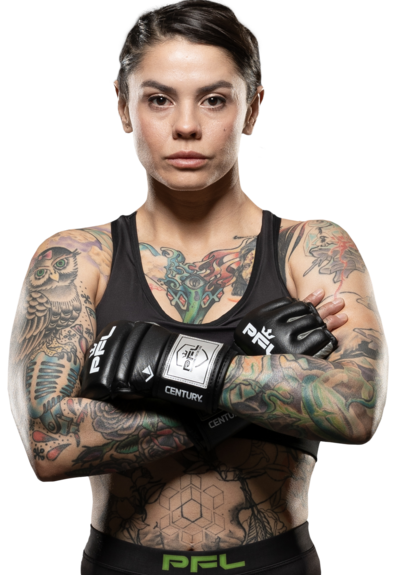 Desiree Yanez
« Dirty Dez »
Desiree Yanez
« Dirty Dez »
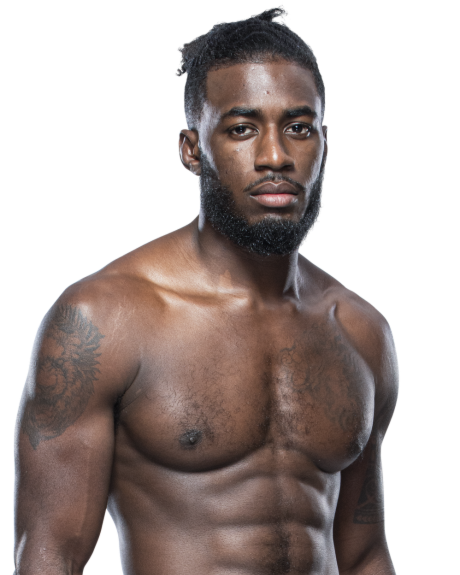 Devonte Smith
« King Kage »
Devonte Smith
« King Kage »
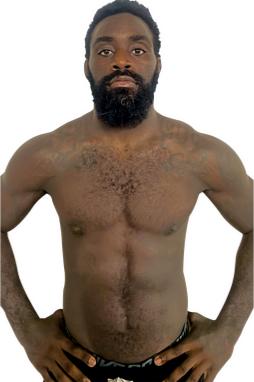 Dimitre Ivy
« POISON »
Dimitre Ivy
« POISON »
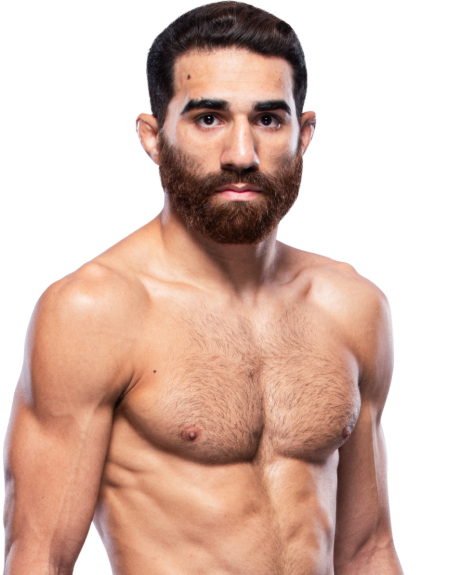 Domingo Pilarte
« Son Of Fire »
Domingo Pilarte
« Son Of Fire »
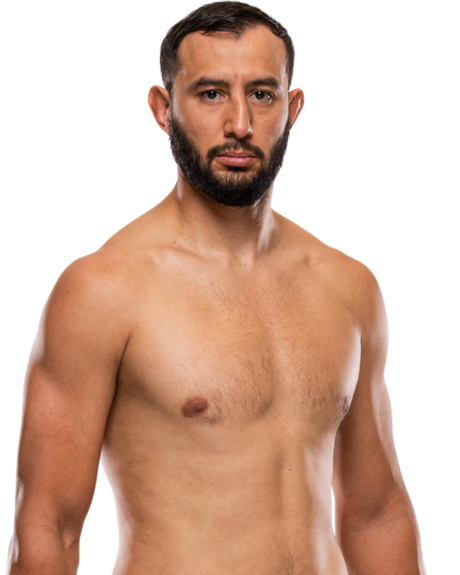 Dominick Reyes
« The Devastator »
Dominick Reyes
« The Devastator »
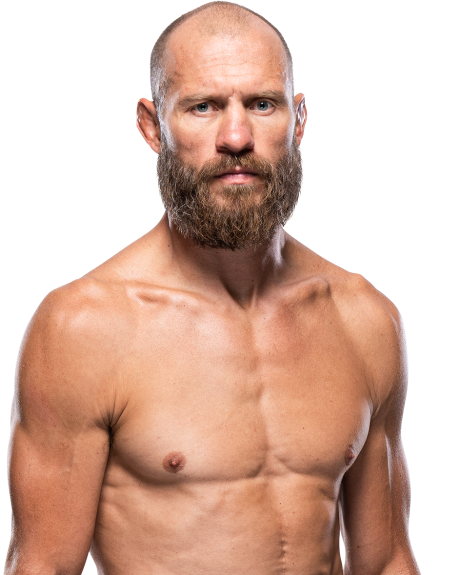 Donald Cerrone
« Cowboy »
Donald Cerrone
« Cowboy »
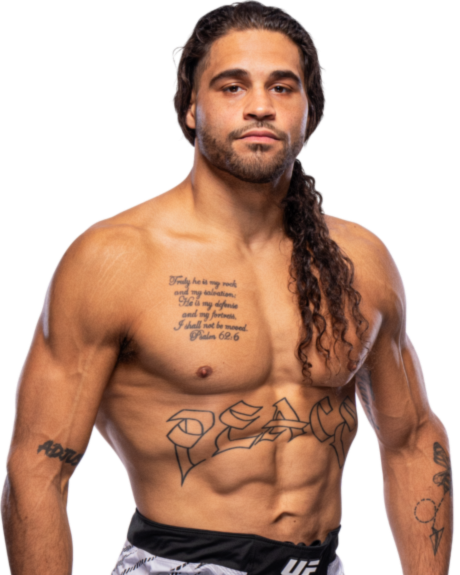 Donte Johnson
« Lockjaw »
Donte Johnson
« Lockjaw »
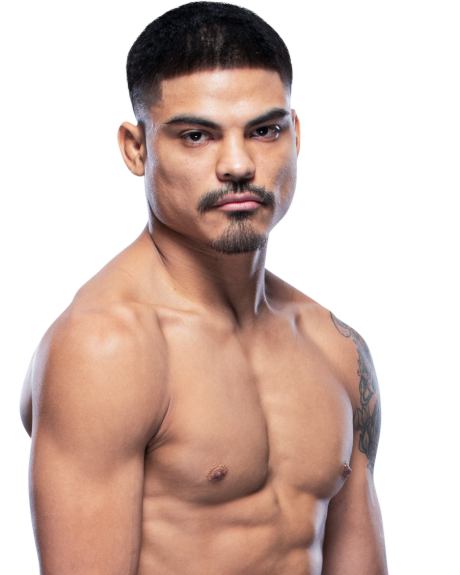 Drako Rodriguez
« The Great Drakolini »
Drako Rodriguez
« The Great Drakolini »
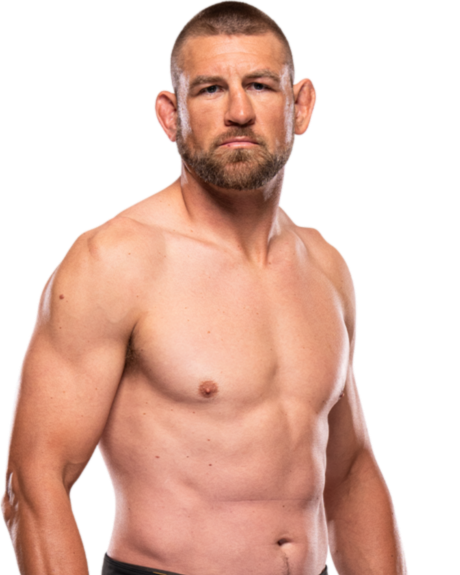 Dustin Jacoby
« The Hanyak »
Dustin Jacoby
« The Hanyak »
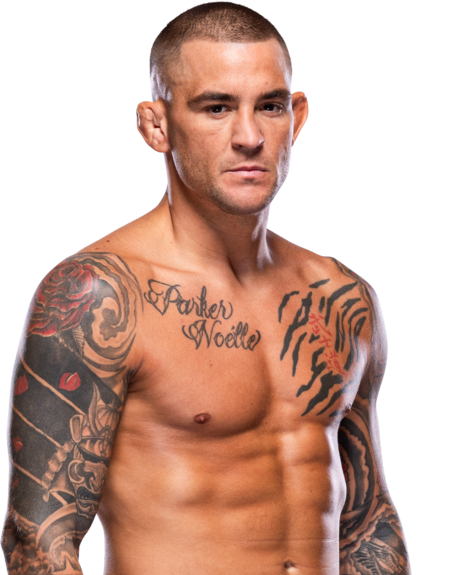 Dustin Poirier
« The Diamond »
Dustin Poirier
« The Diamond »
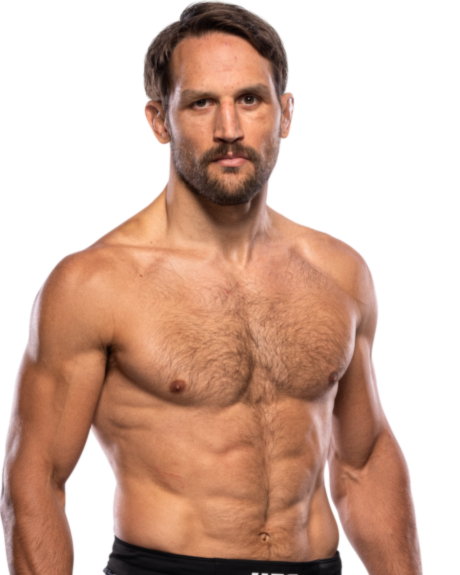 Dustin Stoltzfus
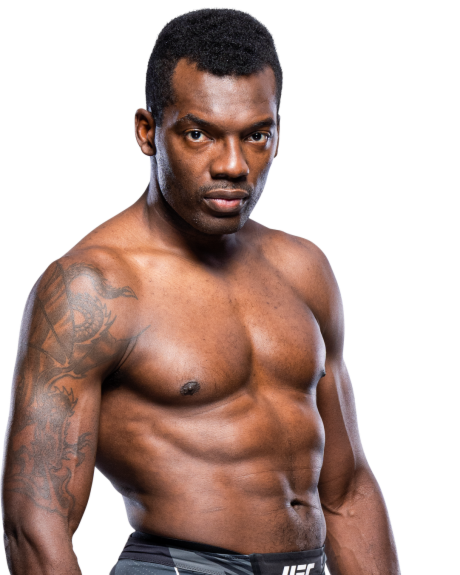 Dwight Grant
« The Body Snatcher »
Dwight Grant
« The Body Snatcher »
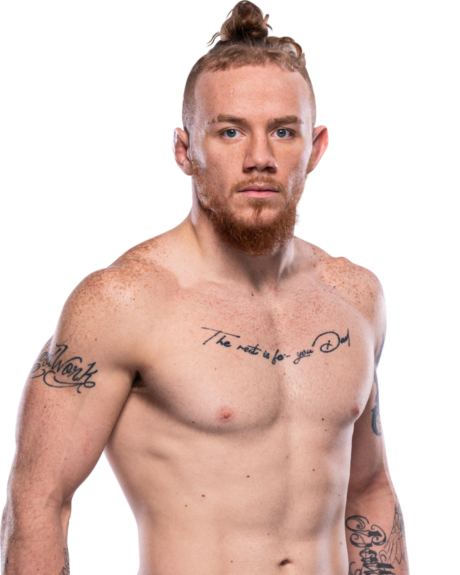 Dylan Budka
« The Mindless Hulk »
Dylan Budka
« The Mindless Hulk »
 Eddie Alvarez
« The Underground King »
Eddie Alvarez
« The Underground King »
 Eddie Gordon
« Truck »
Eddie Gordon
« Truck »
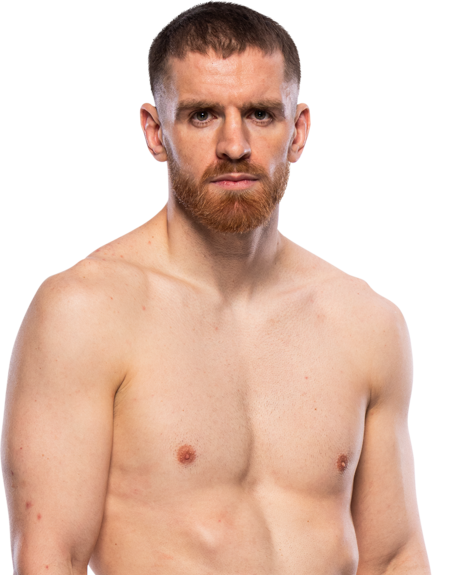 Edmen Shahbazyan
« The Golden Boy »
Edmen Shahbazyan
« The Golden Boy »
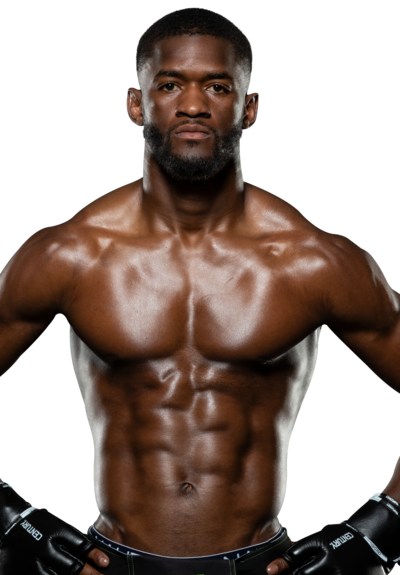 Edwin Cooper Jr.
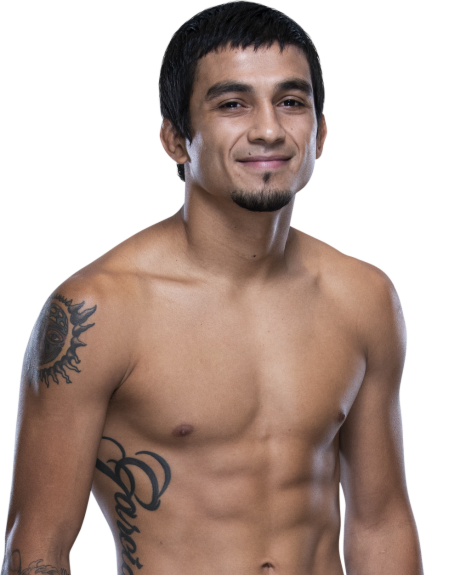 Elias Garcia
« El Pescador »
Elias Garcia
« El Pescador »
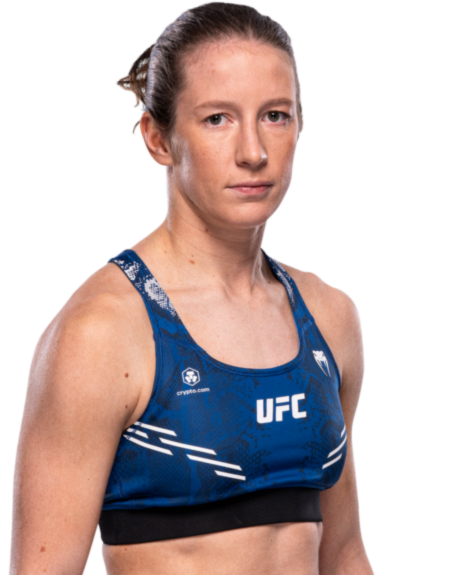 Elise Reed
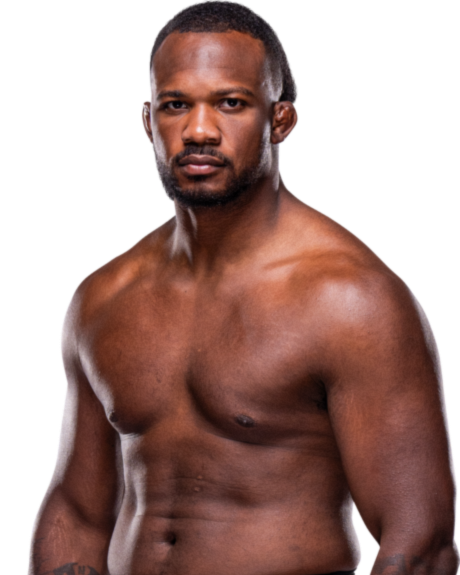 Elisha Ellison
« The Snack Panther »
Elisha Ellison
« The Snack Panther »
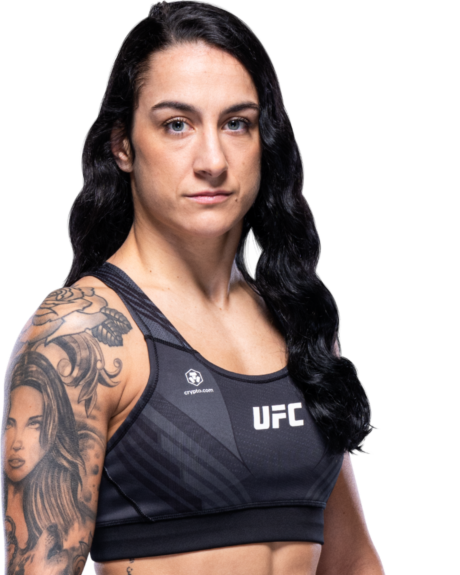 Emily Ducote
« Gordinha »
Emily Ducote
« Gordinha »
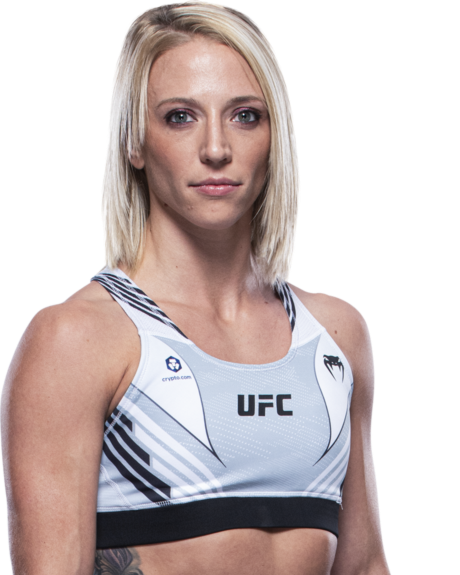 Emily Whitmire
« Spitfire »
Emily Whitmire
« Spitfire »
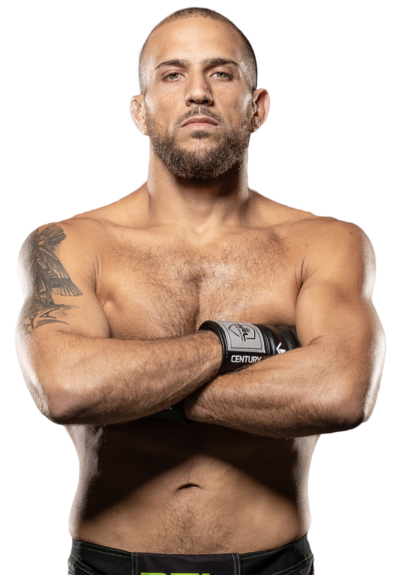 Eric Alequin
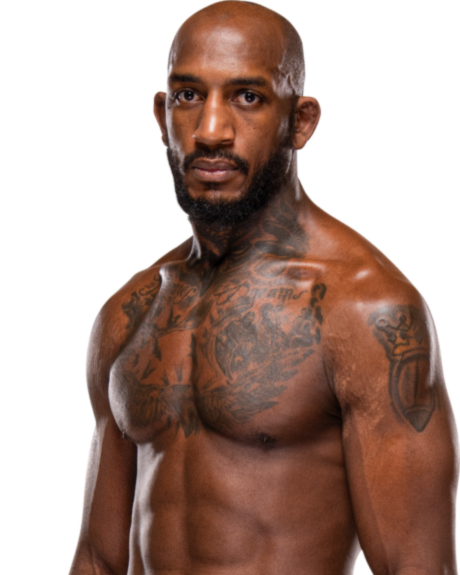 Eric McConico
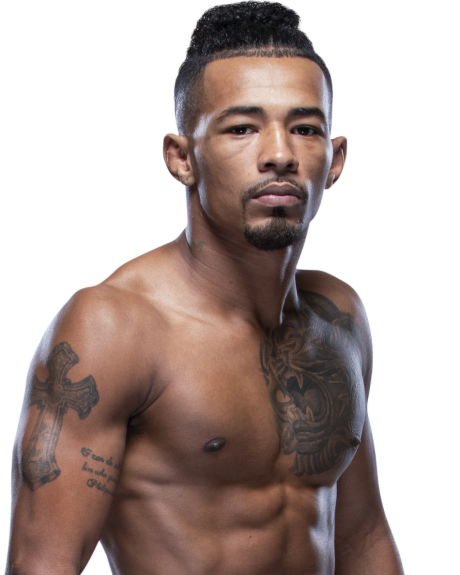 Eric Shelton
« Showtime »
Eric Shelton
« Showtime »
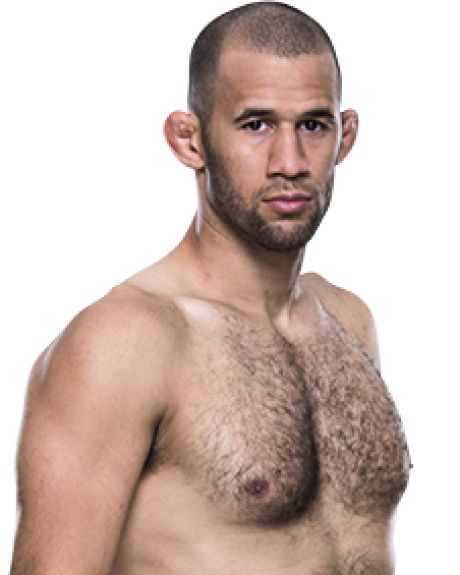 Eric Spicely
« Zebrinha »
Eric Spicely
« Zebrinha »
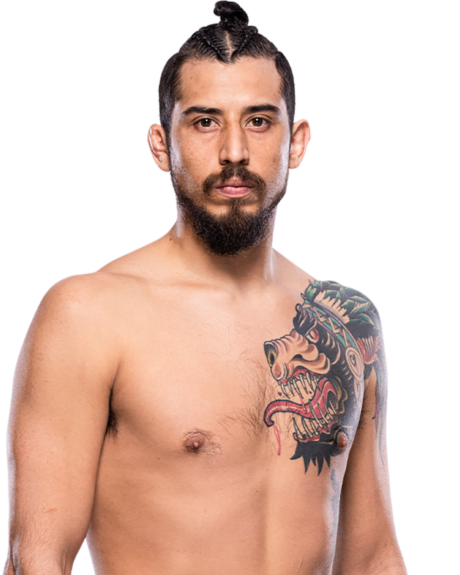 Erick Gonzalez
« The Ghost Pepper »
Erick Gonzalez
« The Ghost Pepper »
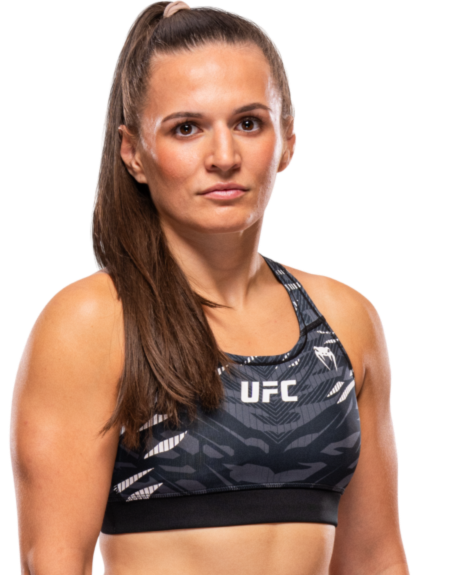 Erin Blanchfield
« Cold Blooded »
Erin Blanchfield
« Cold Blooded »
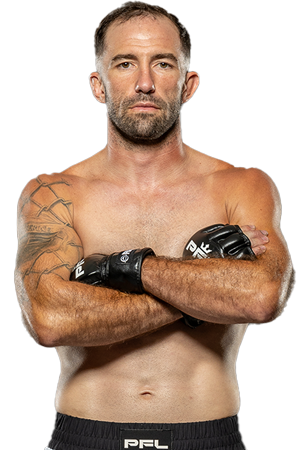 Ethan Goss
« Wolverine »
Ethan Goss
« Wolverine »
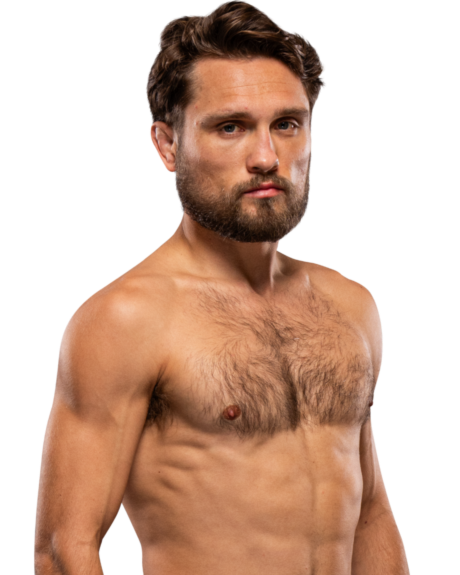 Ethyn Ewing
« The Professor Finesser »
Ethyn Ewing
« The Professor Finesser »
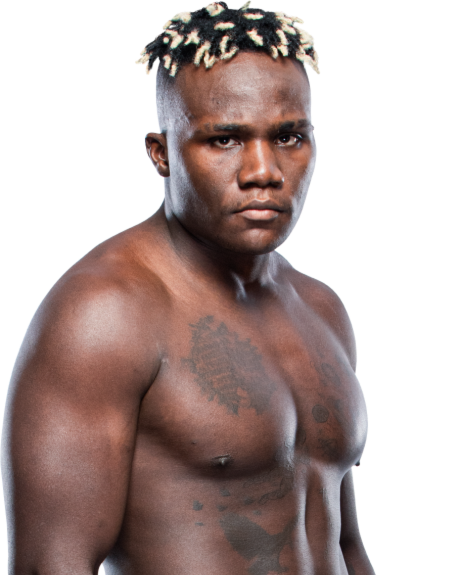 Fabio Cherant
« Water Buffalo »
Fabio Cherant
« Water Buffalo »
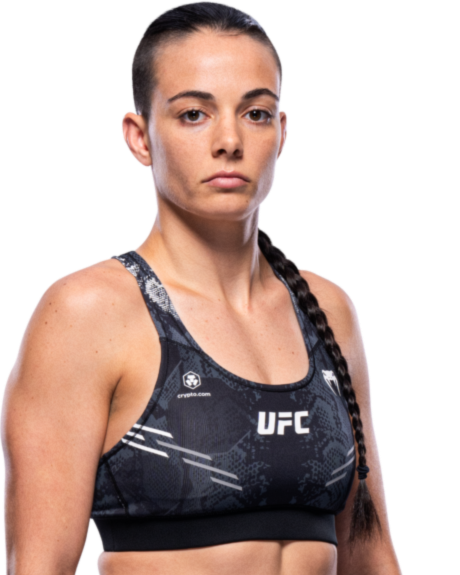 Fatima Kline
« The Archangel »
Fatima Kline
« The Archangel »
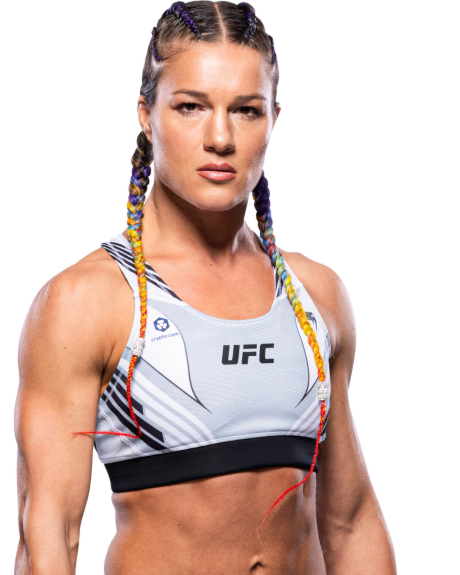 Felice Herrig
« The Lil Bulldog »
Felice Herrig
« The Lil Bulldog »
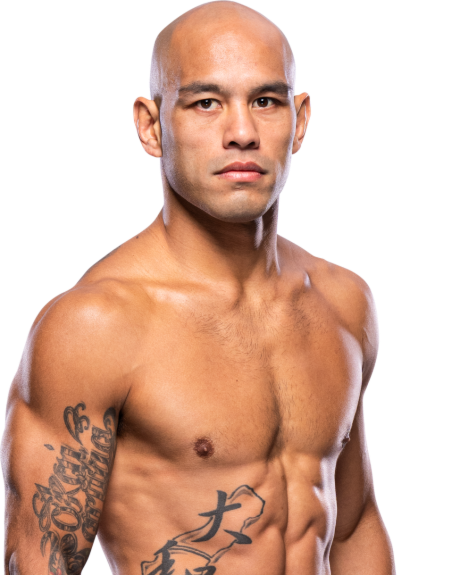 Frank Camacho
« The Crank »
Frank Camacho
« The Crank »
 Frank Mir
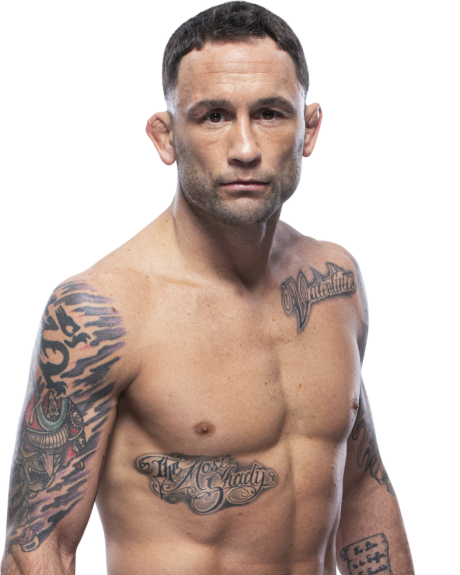 Frankie Edgar
« The Answer »
Frankie Edgar
« The Answer »
Full fight history, live rankings, upcoming cards and head-to-head comparisons. Free on iOS and Android.