

Country
The United States sends more fighters to professional mixed martial arts than any other country, and the reason is structural rather than accidental. No other nation feeds the sport from a school and university system that already trains hundreds of thousands of young people in a combat discipline every year.
Folkstyle wrestling is taught in American high schools and colleges as a scholastic sport with its own season, its own championships and its own scholarships. Its scoring rewards control and riding time rather than throws, which produces exactly the habits mixed martial arts asks for: taking an opponent down, keeping them there, and standing back up when the position is lost.
The consequence is visible in any American roster. A large share of them arrive with a decade of grappling behind them before they ever throw a punch in competition, and their careers are often a matter of building striking onto that base rather than the reverse. It is the mirror image of the Brazilian path, and the two have been learning from each other for thirty years.
The second feeder is boxing, which supplies footwork, head movement and the sense of distance that pure wrestlers have to be taught. Fighters who combine both — a wrestling base with real hands — are the American archetype.
Underneath the promotions that get televised sits a dense regional circuit spread across the country, where fighters take their first professional bouts close to home. That circuit is why an American prospect can build a double-digit record before ever appearing on a card anyone outside the state has heard of, and why the depth in every weight class runs so far down.
The sport is also regulated state by state, each with its own athletic commission working from the Unified Rules of MMA. The pages below list every American fighter in the catalogue, with their weight class, their gym and how each of their last five fights ended.
How this roster is spread across the weight classes. Follow a division to see its fighters from every country and every promotion.
The gyms that train more than one fighter on this page. Each one has its own hub, with the full roster it has produced.
The cities that keep turning out fighters. No links here on purpose — a page per city would be a dead end. It is context, not navigation.
201–250 of 588 fighters
 Gable Steveson
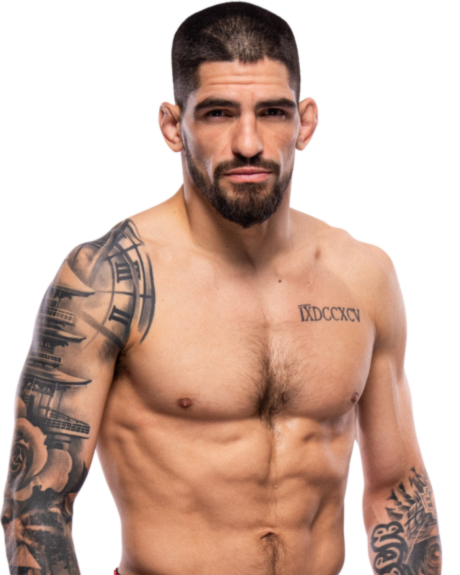 Gaston Bolanos
« The Dreamkiller »
Gaston Bolanos
« The Dreamkiller »
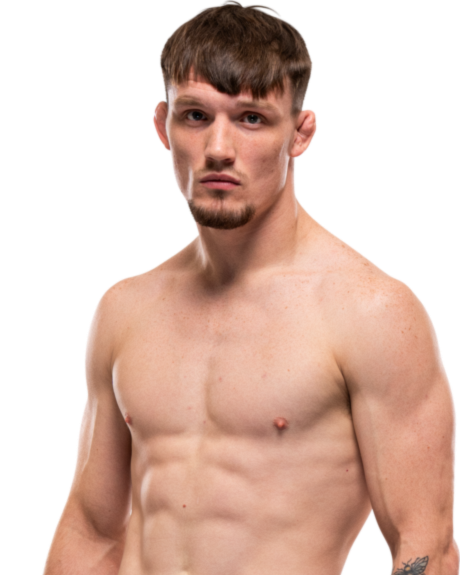 Gauge Young
« Gee Money »
Gauge Young
« Gee Money »
 Geane Herrera
« The Revolutionary »
Geane Herrera
« The Revolutionary »
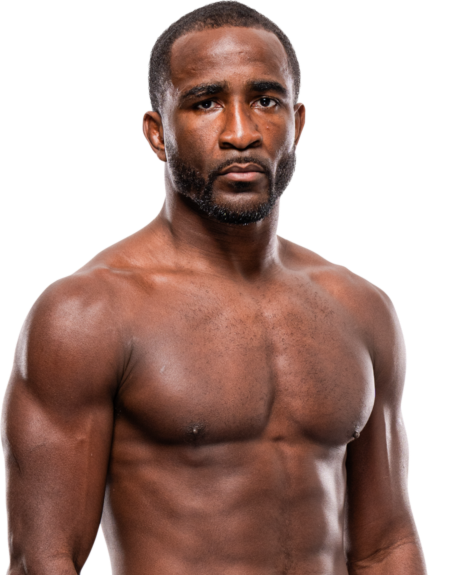 Geoff Neal
« Handz of Steel »
Geoff Neal
« Handz of Steel »
 George Sullivan
« The Silencer »
George Sullivan
« The Silencer »
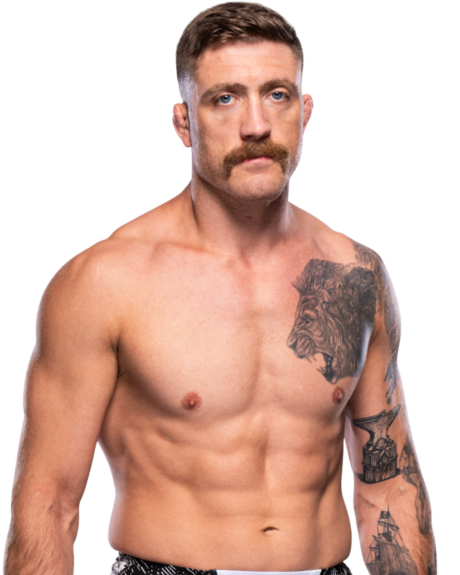 Gerald Meerschaert
« GM3 »
Gerald Meerschaert
« GM3 »
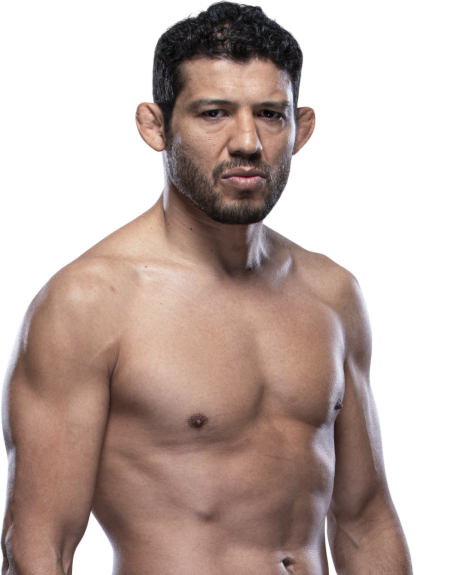 Gilbert Melendez
« El Nino »
Gilbert Melendez
« El Nino »
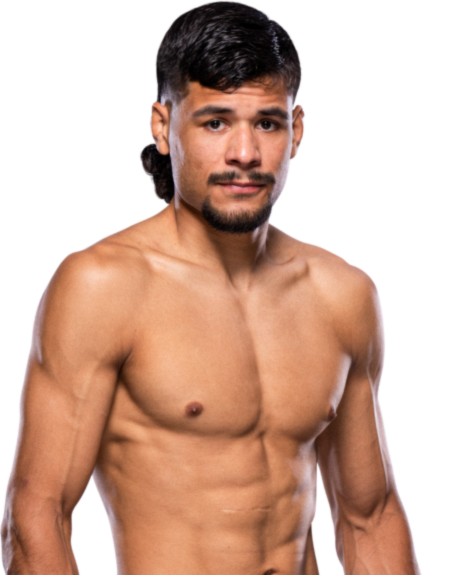 Gilbert Urbina
« The RGV Bad Boy »
Gilbert Urbina
« The RGV Bad Boy »
 Gina Mazany
« Danger »
Gina Mazany
« Danger »
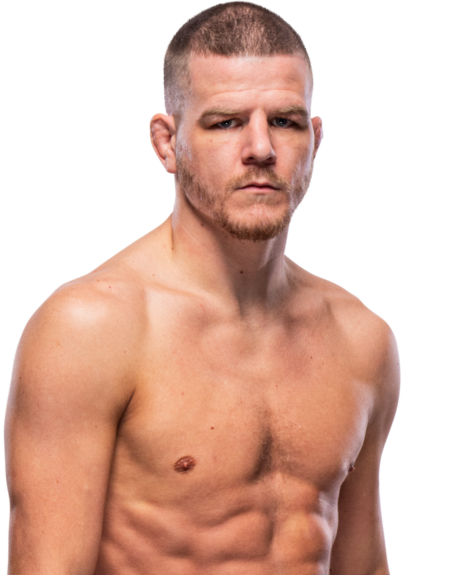 Grant Dawson
« KGD »
Grant Dawson
« KGD »
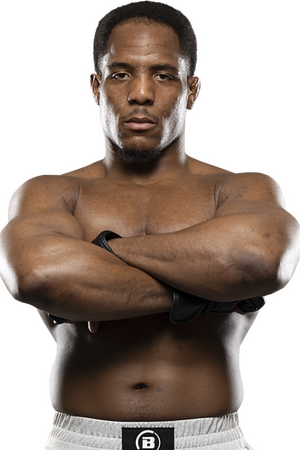 Grant Neal
« THE TRUTH »
Grant Neal
« THE TRUTH »
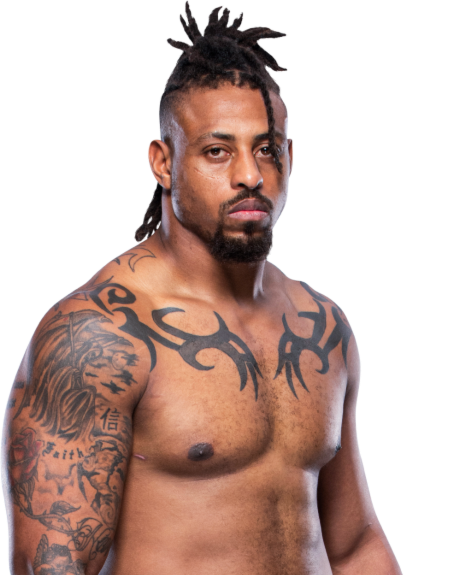 Greg Hardy
« The Prince of War »
Greg Hardy
« The Prince of War »
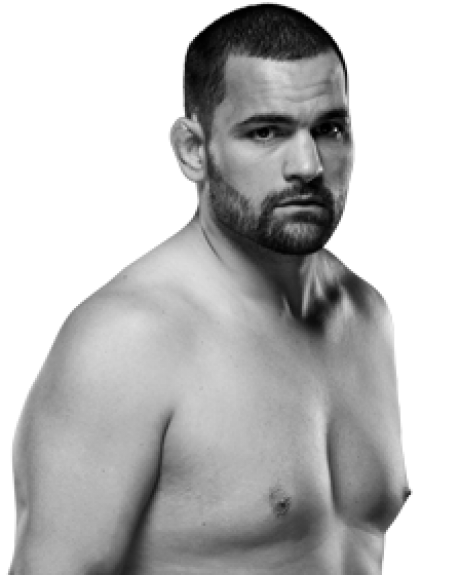 Greg Rebello
« Ribz »
Greg Rebello
« Ribz »
 Hailey Cowan
« All Hail »
Hailey Cowan
« All Hail »
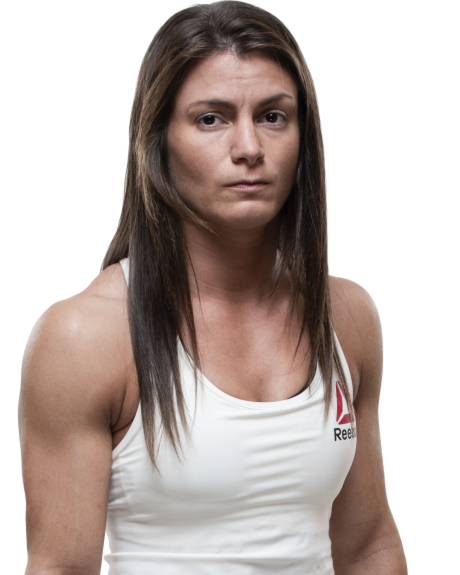 Hannah Cifers
« Shockwave »
Hannah Cifers
« Shockwave »
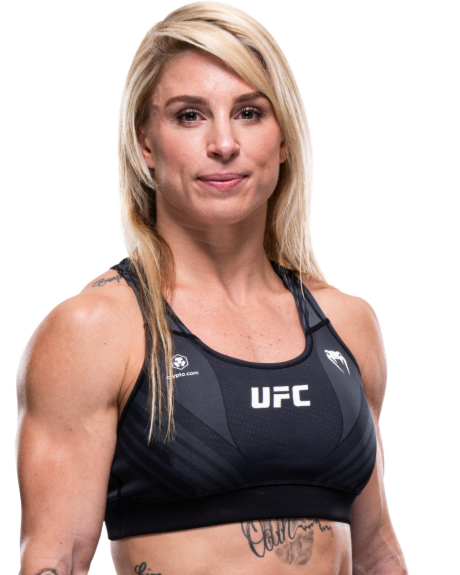 Hannah Goldy
« 24k »
Hannah Goldy
« 24k »
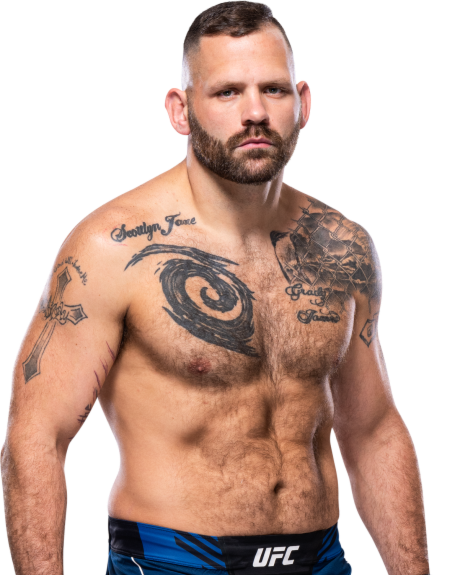 Harry Hunsucker
« The Hurricane »
Harry Hunsucker
« The Hurricane »
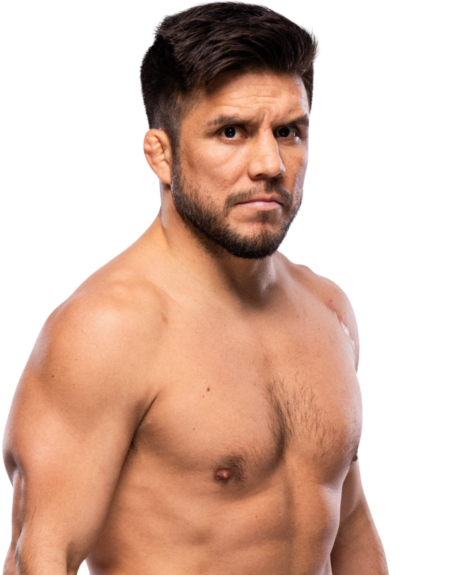 Henry Cejudo
« Triple C »
Henry Cejudo
« Triple C »
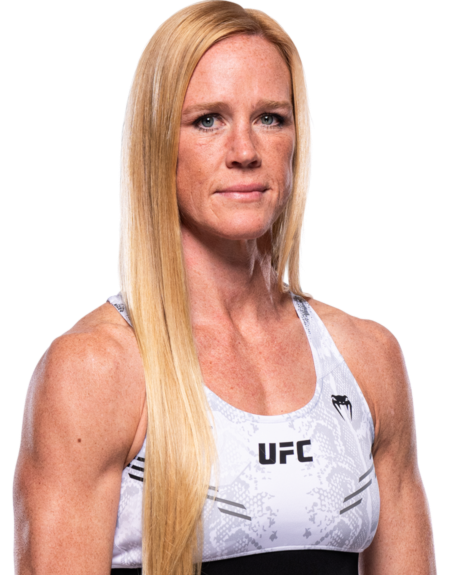 Holly Holm
« The Preacher's Daughter »
Holly Holm
« The Preacher's Daughter »
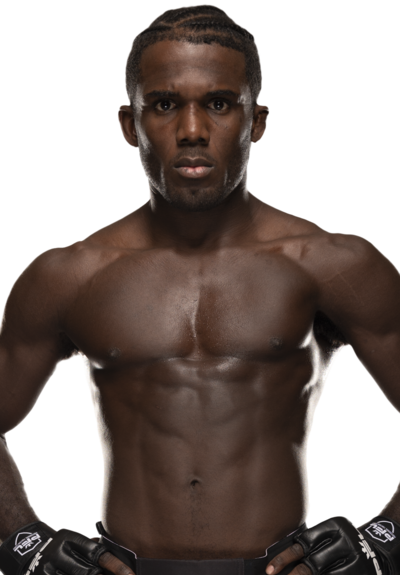 Hopeton Stewart
« The Prince »
Hopeton Stewart
« The Prince »
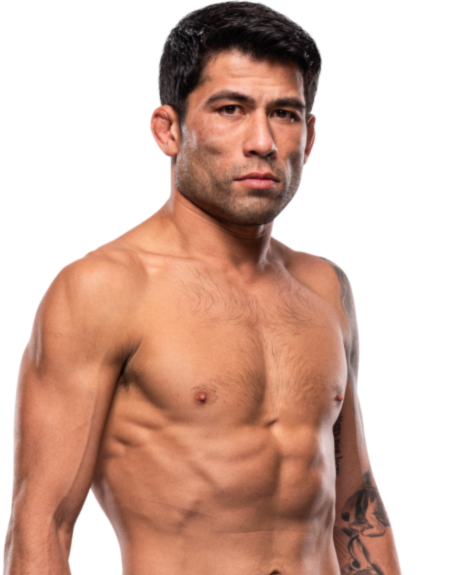 Hyder Amil
« The Hurricane »
Hyder Amil
« The Hurricane »
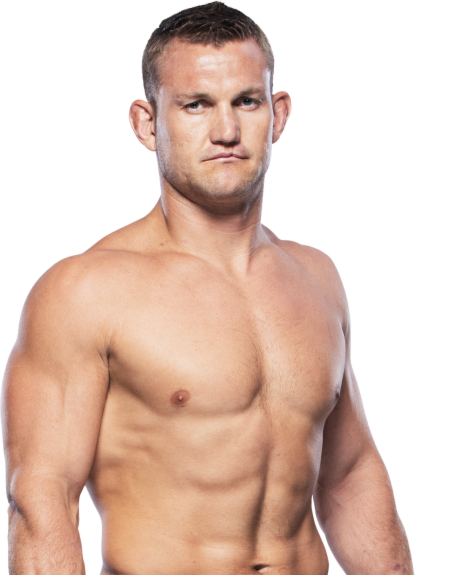 Ian Heinisch
« The Hurricane »
Ian Heinisch
« The Hurricane »
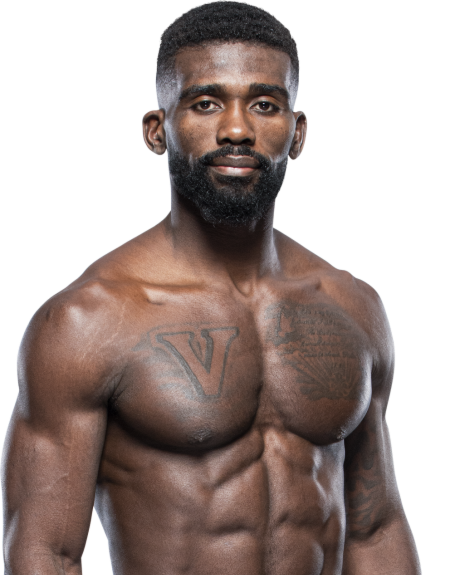 Impa Kasanganay
« Tshilobo »
Impa Kasanganay
« Tshilobo »
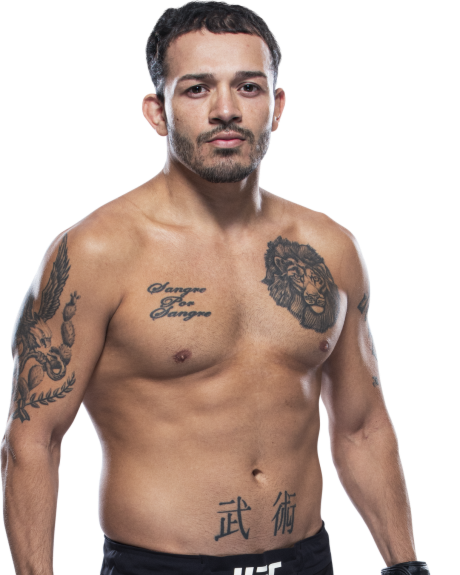 Irwin Rivera
« The Beast »
Irwin Rivera
« The Beast »
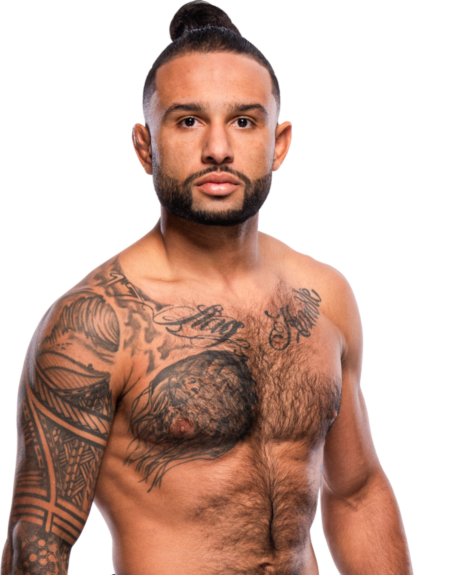 Isaac Dulgarian
« The Midwest Choppa »
Isaac Dulgarian
« The Midwest Choppa »
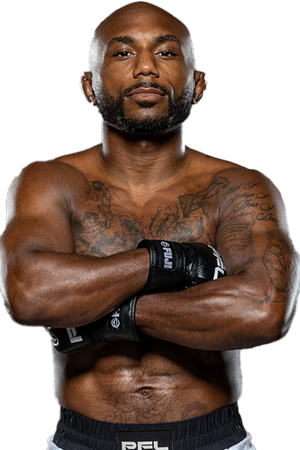 Isaiah Diggs
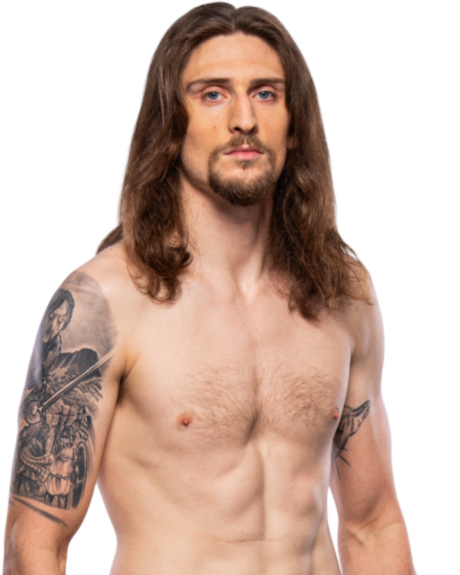 Jackson McVey
« The Moose »
Jackson McVey
« The Moose »
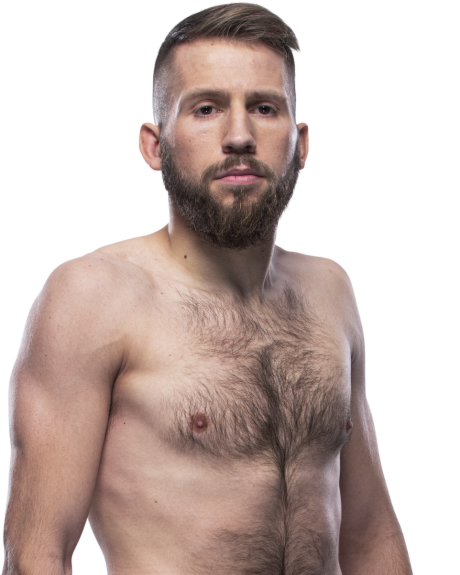 Jacob Kilburn
« The Killer »
Jacob Kilburn
« The Killer »
 Jacob Thrall
« Gerberbaby »
Jacob Thrall
« Gerberbaby »
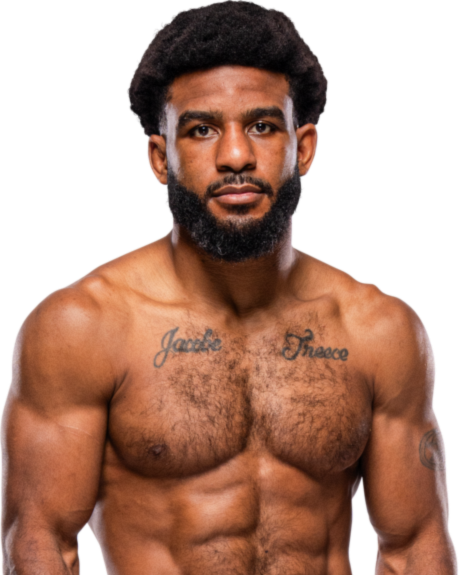 Jacobe Smith
« Cobe »
Jacobe Smith
« Cobe »
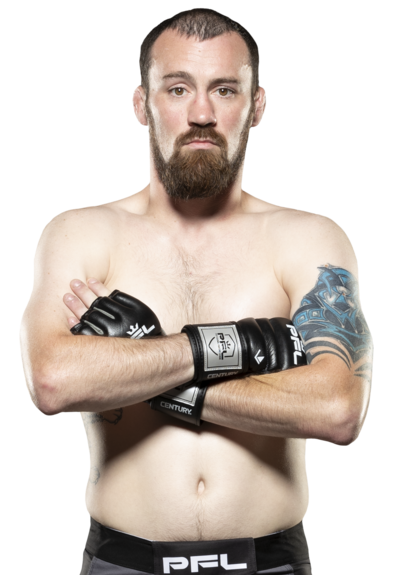 Jake Childers
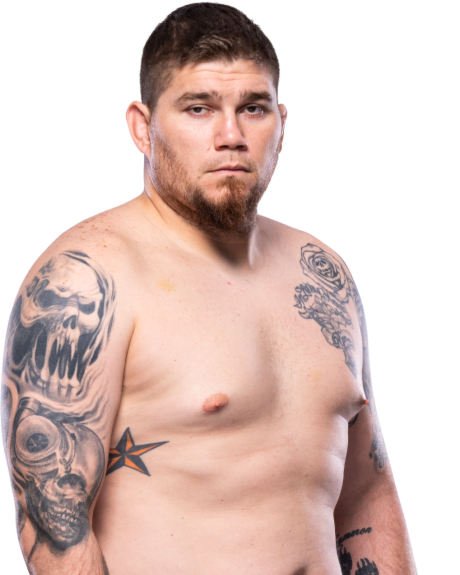 Jake Collier
« The Prototype »
Jake Collier
« The Prototype »
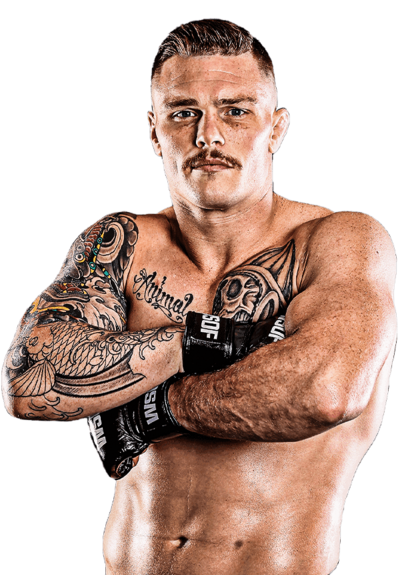 Jake Heun
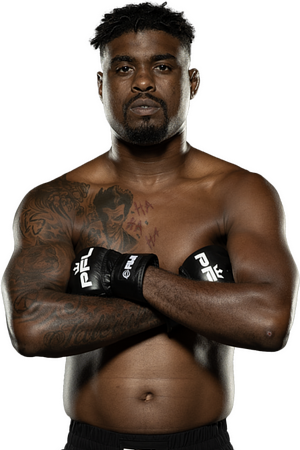 Jaleel Willis
« THE REALEST »
Jaleel Willis
« THE REALEST »
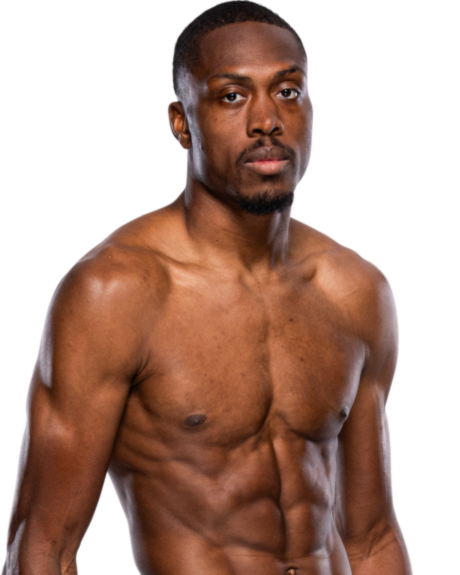 Jalin Turner
« The Tarantula »
Jalin Turner
« The Tarantula »
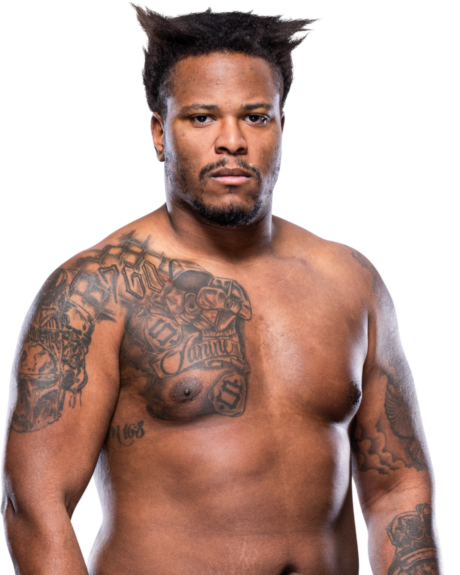 Jamal Pogues
« The Stormtrooper »
Jamal Pogues
« The Stormtrooper »
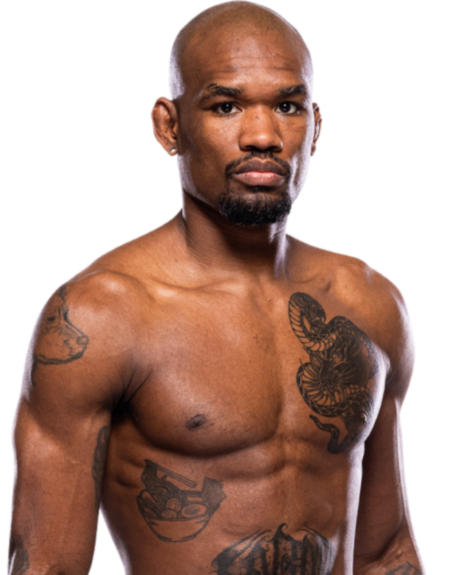 Jamall Emmers
« Pretty Boy »
Jamall Emmers
« Pretty Boy »
 Jamelle Jones
« The Beast »
Jamelle Jones
« The Beast »
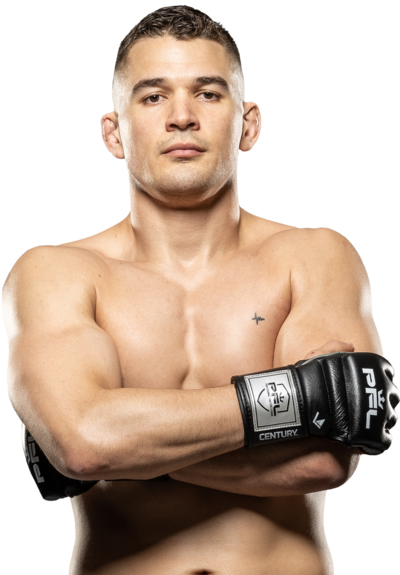 James Gonzalez
 James Moontasri
« Moonwalker »
James Moontasri
« Moonwalker »
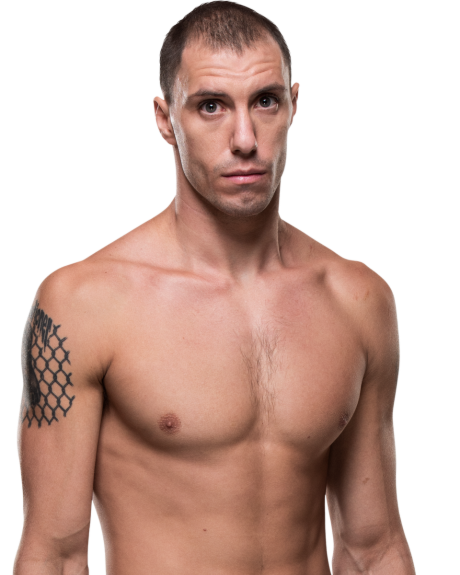 James Vick
« The Texecutioner »
James Vick
« The Texecutioner »
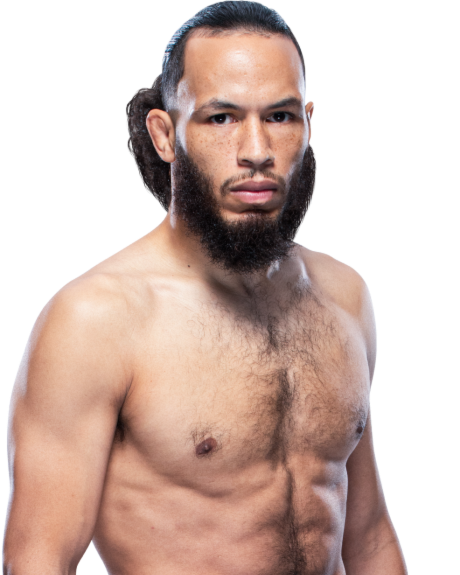 Jamey Simmons
« The Afro Samurai »
Jamey Simmons
« The Afro Samurai »
 Jamie Colleen
« Bad Mama »
Jamie Colleen
« Bad Mama »
 Jamie Moyle
« Love Boat »
Jamie Moyle
« Love Boat »
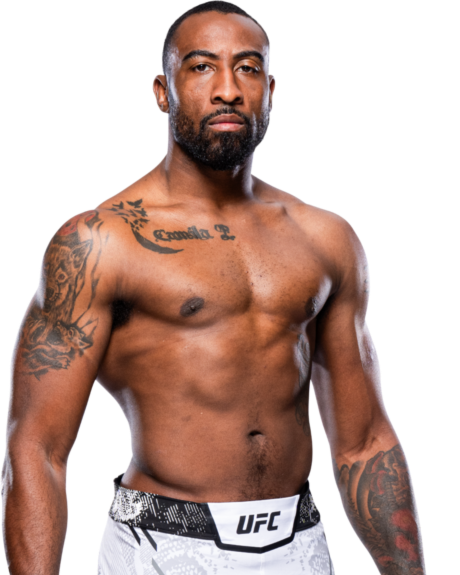 Jamie Pickett
« The Night Wolf »
Jamie Pickett
« The Night Wolf »
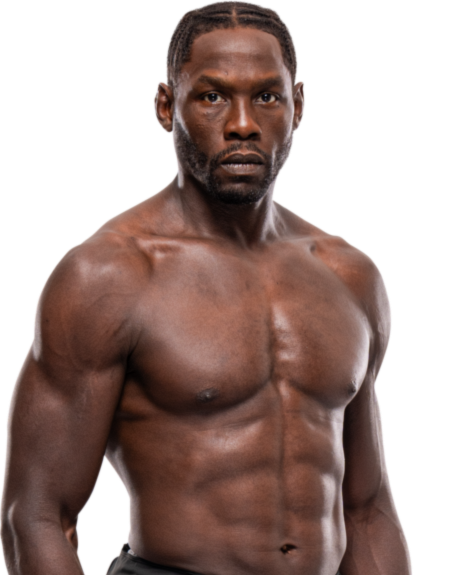 Jared Cannonier
« Tha Killa Gorilla »
Jared Cannonier
« Tha Killa Gorilla »
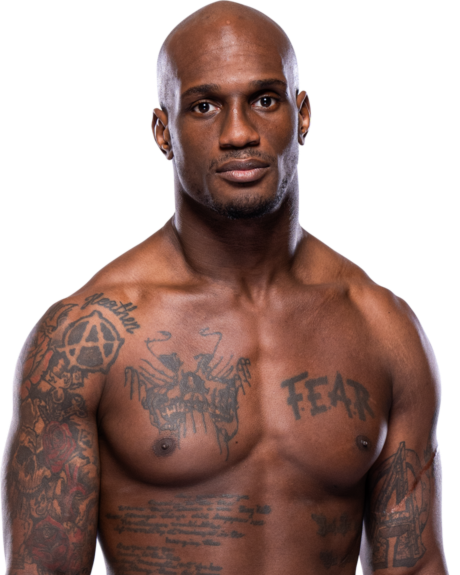 Jared Gooden
« NiteTrain »
Jared Gooden
« NiteTrain »
 Jared Rosholt
« The Big Show »
Jared Rosholt
« The Big Show »
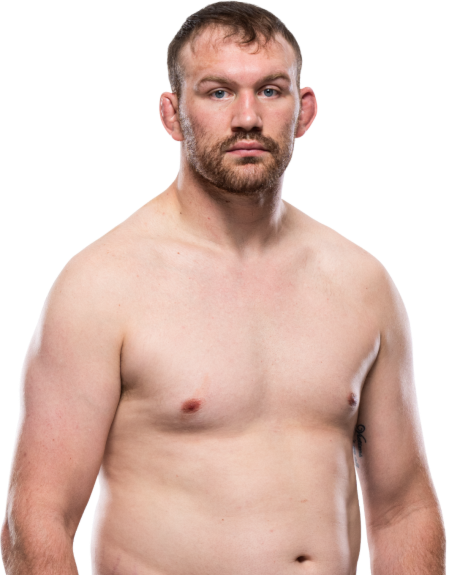 Jared Vanderaa
« The Mountain »
Jared Vanderaa
« The Mountain »
Full fight history, live rankings, upcoming cards and head-to-head comparisons. Free on iOS and Android.