

Division
Women's bantamweight is the 135-pound division of women's mixed martial arts, and the one from which the others grew. Under the Unified Rules of MMA, a bantamweight bout is contracted at a maximum of 135 pounds — 61.2 kilograms — with a one-pound allowance in non-title fights and none at all when a belt is on the line. It sits between flyweight, capped at 125 pounds, and featherweight, capped at 145.
Bantamweight was the first women's weight class to be established in the largest promotions, and that head start still shows. It has the longest competitive history, the deepest pool of experienced fighters, and the widest range of backgrounds — athletes who came from wrestling, from judo, from boxing, at a time when there were no other women's divisions to choose between.
It is also the weight at which power becomes a genuine factor in women's MMA. Below it, fights are decided by accumulation and position; at 135 pounds a clean shot can change a round outright, and fighters have to respect exchanges in a way their lighter counterparts do not. That does not make the division less technical — the depth of experience keeps the standard high — but it does make leads more fragile. A fighter can be comfortably ahead and still be one exchange from losing, which is not the case ten pounds down.
Every fighter Fight Hub records in the women's bantamweight division, with their professional record, the gym they train out of, their nationality and the measurements that make up their tale of the tape. Each name links through to a full profile. Records shown are professional records across all promotions, not a single organisation's tally.
Bantamweight feeds the divisions around it more than it draws from them, having existed longer than either. The neighbouring division pages are listed below, alongside the countries and gyms that produce the most fighters at this weight.
The gyms that train more than one fighter on this page. Each one has its own hub, with the full roster it has produced.
The nationalities on this page. Each country has its own hub, with the fighters it has produced across all promotions.
1–50 of 53 fighters
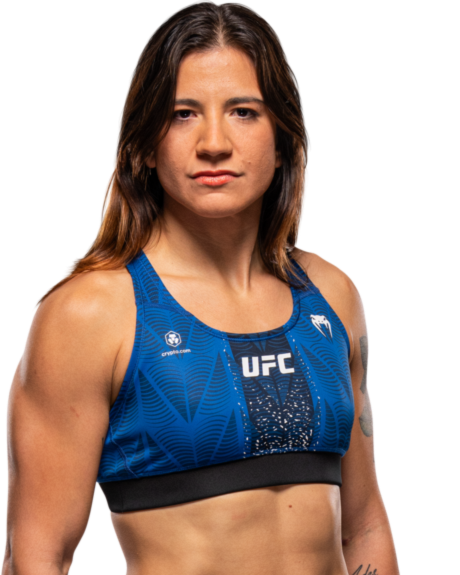 Ailin Perez
« Fiona »
Ailin Perez
« Fiona »
 Amanda Nunes
« The Lioness »
Amanda Nunes
« The Lioness »
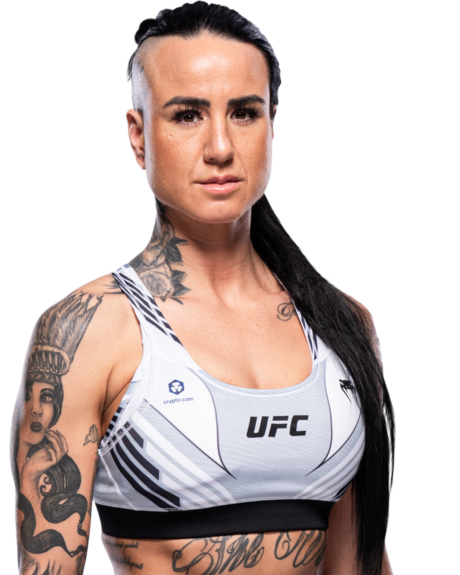 Ashlee Evans-Smith
« Rebel Girl »
Ashlee Evans-Smith
« Rebel Girl »
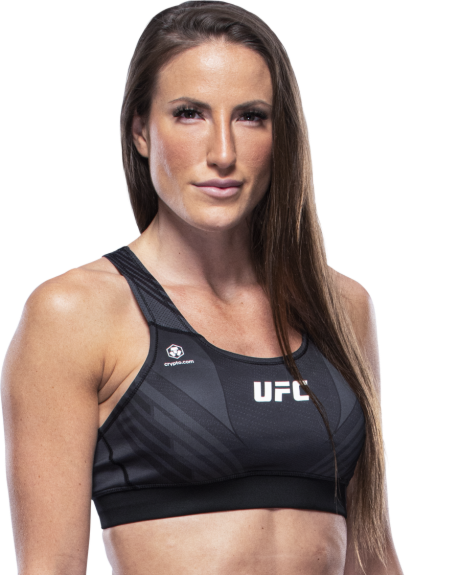 Bea Malecki
« Bad News Barbie »
Bea Malecki
« Bad News Barbie »
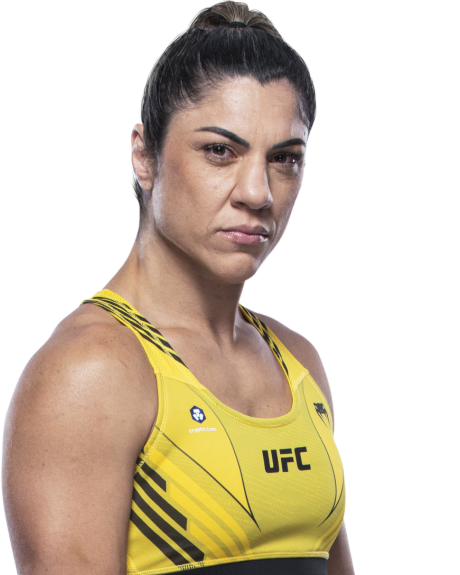 Bethe Correia
« Pitbull »
Bethe Correia
« Pitbull »
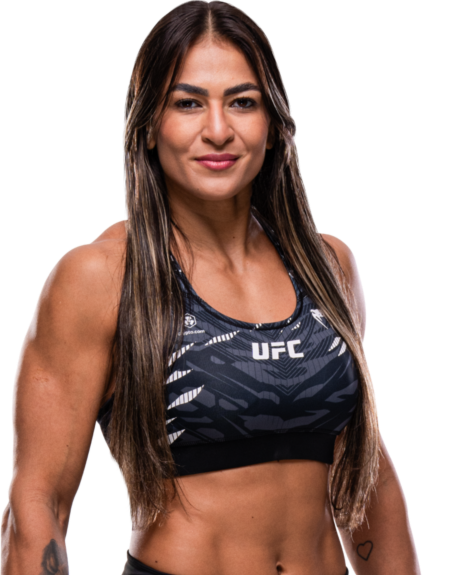 Bia Mesquita
« The Lady Goat »
Bia Mesquita
« The Lady Goat »
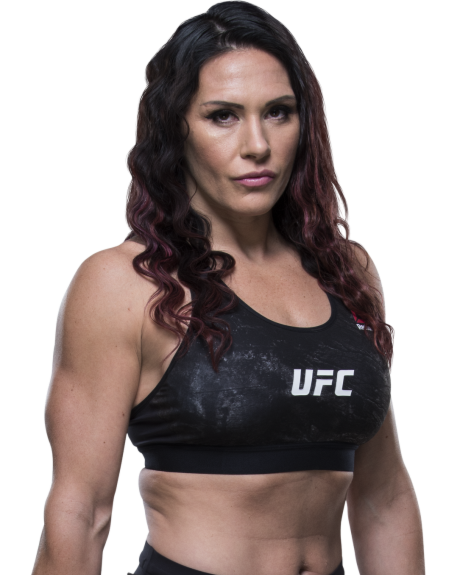 Cat Zingano
« Alpha »
Cat Zingano
« Alpha »
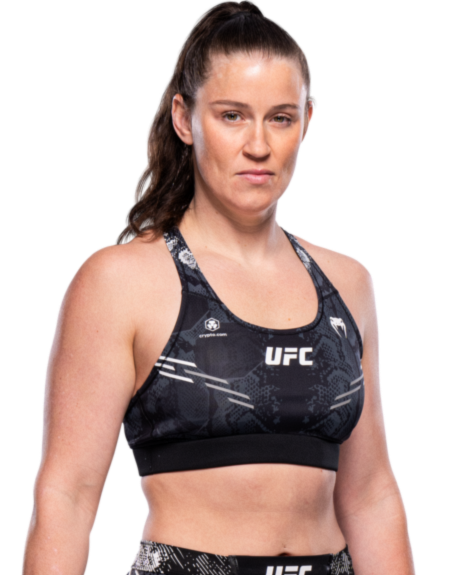 Chelsea Chandler
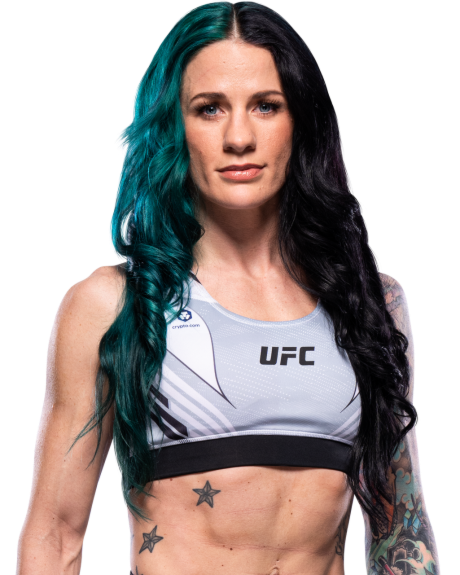 Gina Mazany
« Danger »
Gina Mazany
« Danger »
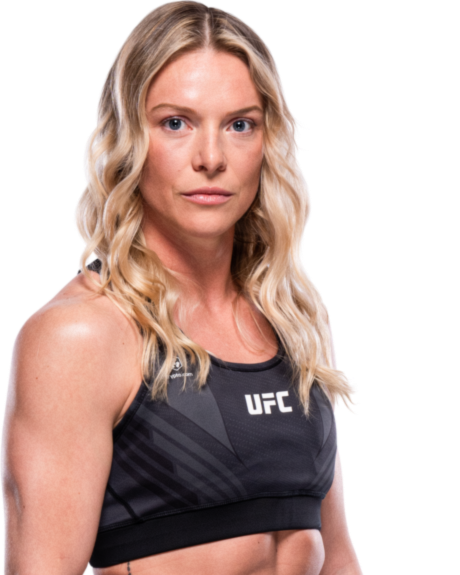 Hailey Cowan
« All Hail »
Hailey Cowan
« All Hail »
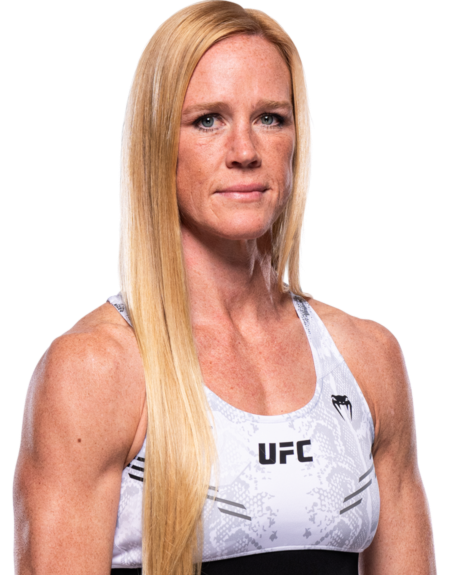 Holly Holm
« The Preacher's Daughter »
Holly Holm
« The Preacher's Daughter »
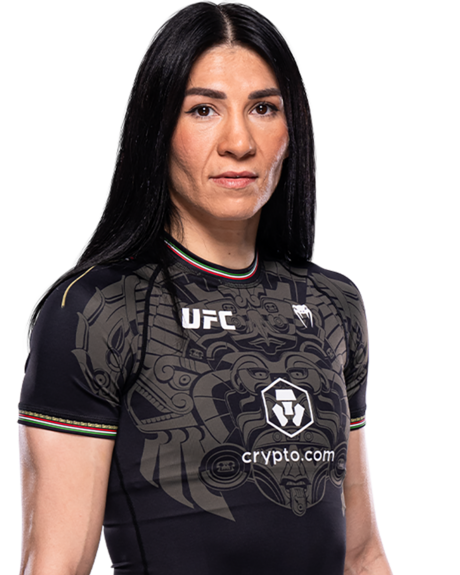 Irene Aldana
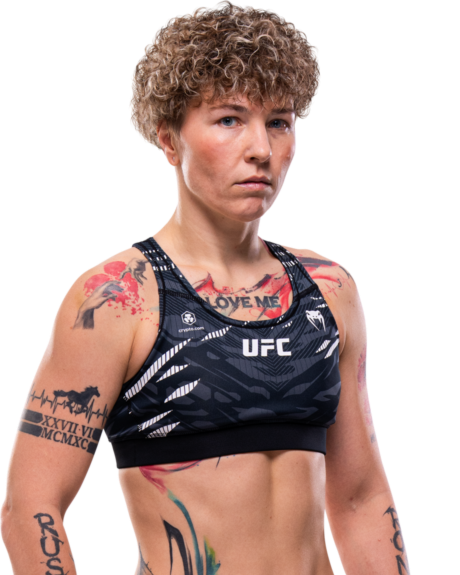 Irina Alekseeva
« Russian Ronda »
Irina Alekseeva
« Russian Ronda »
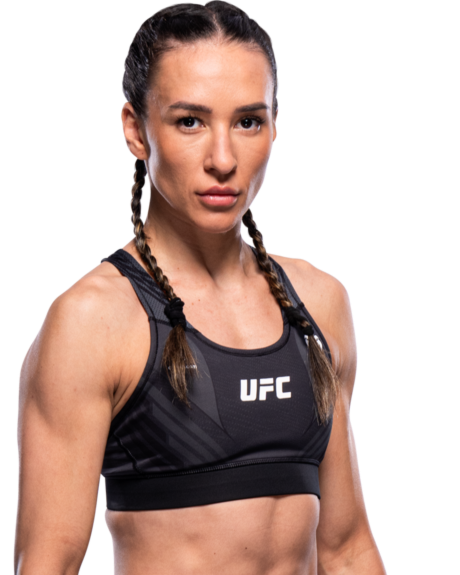 Ivana Petrovic
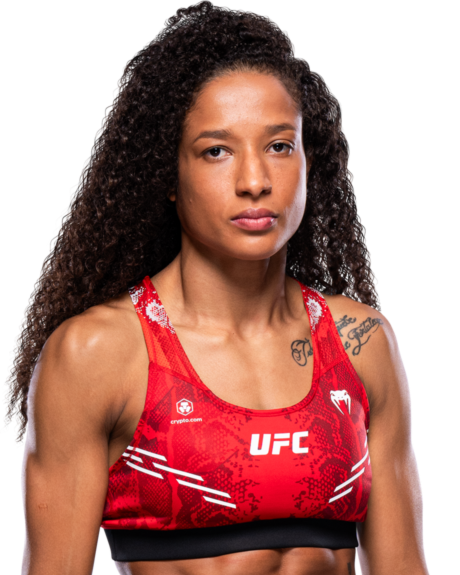 Jacqueline Cavalcanti
« The Nightmare »
Jacqueline Cavalcanti
« The Nightmare »
 Jessamyn Duke
« The Gun »
Jessamyn Duke
« The Gun »
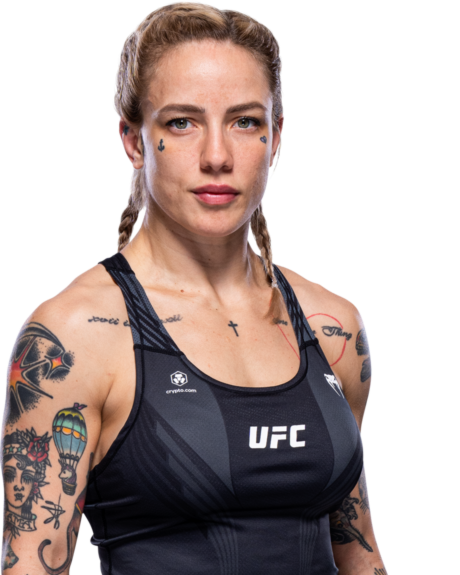 Jessica-Rose Clark
« Jessy Jess »
Jessica-Rose Clark
« Jessy Jess »
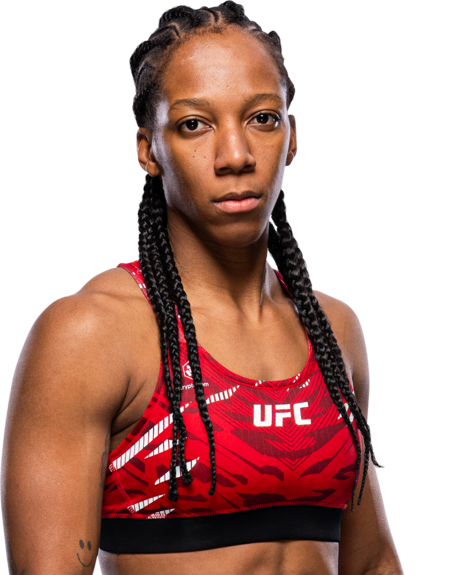 Joselyne Edwards
« La Pantera »
Joselyne Edwards
« La Pantera »
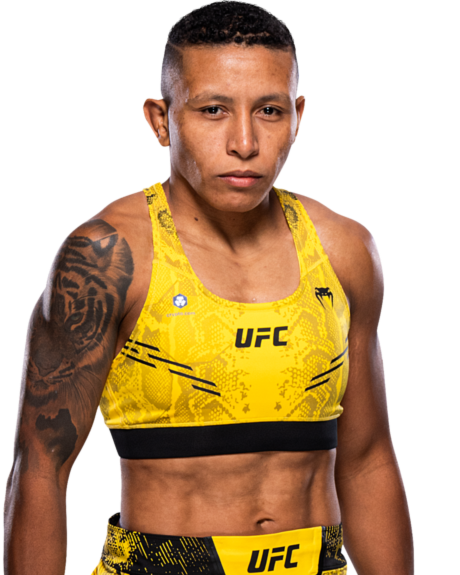 Josiane Nunes
« Josi »
Josiane Nunes
« Josi »
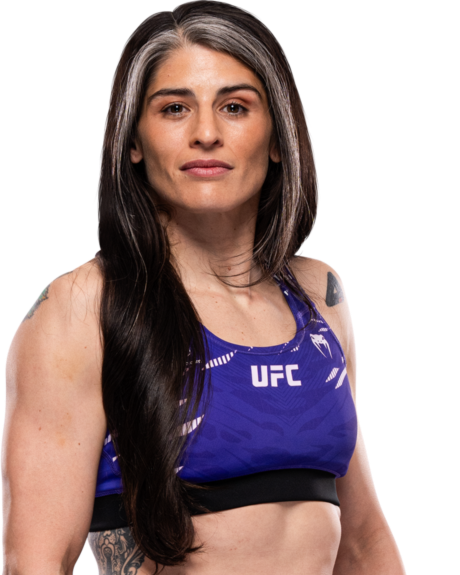 Julia Avila
« Raging Panda »
Julia Avila
« Raging Panda »
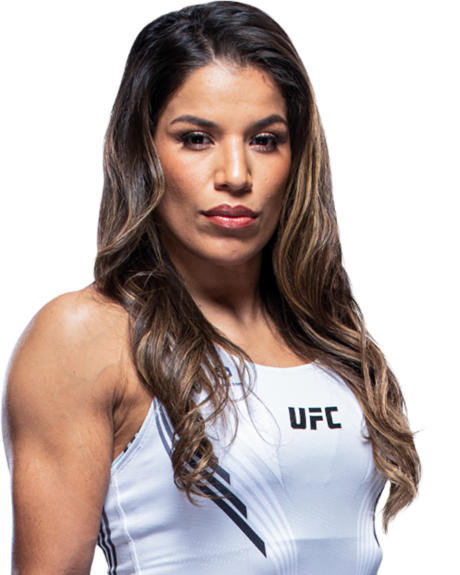 Julianna Pena
« The Venezuelan Vixen »
Julianna Pena
« The Venezuelan Vixen »
 Julie Kedzie
« Fireball »
Julie Kedzie
« Fireball »
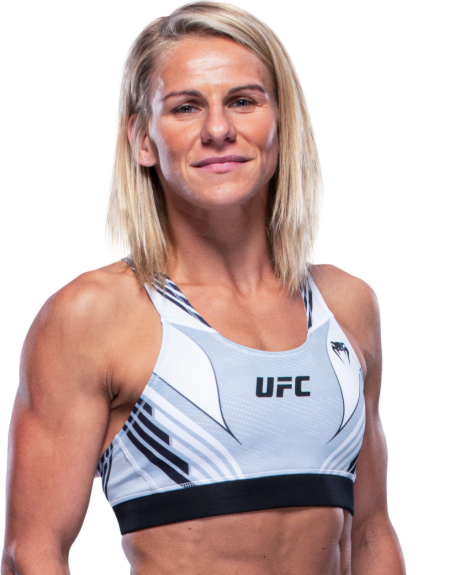 Justine Kish
« Robocop »
Justine Kish
« Robocop »
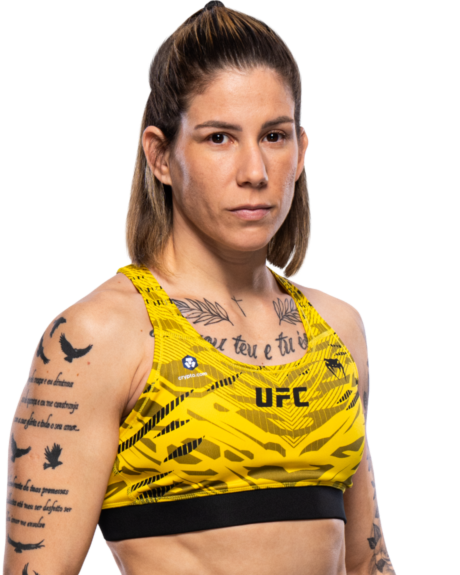 Karol Rosa
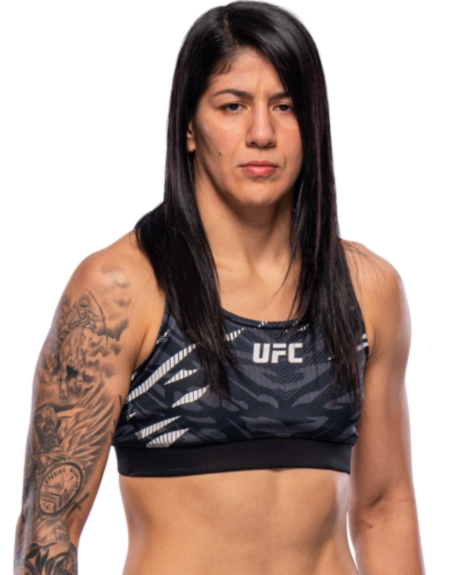 Ketlen Vieira
« Fenomeno »
Ketlen Vieira
« Fenomeno »
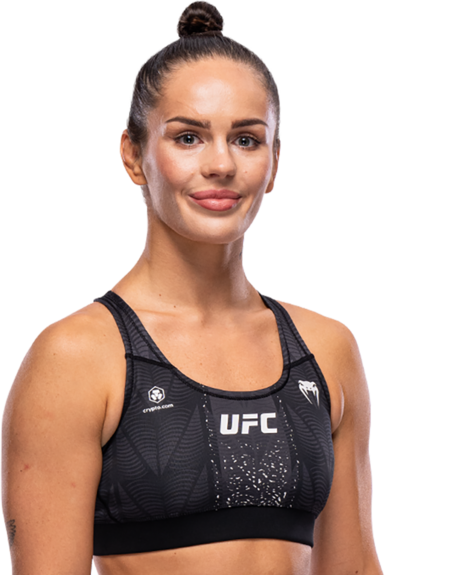 Klaudia Sygula
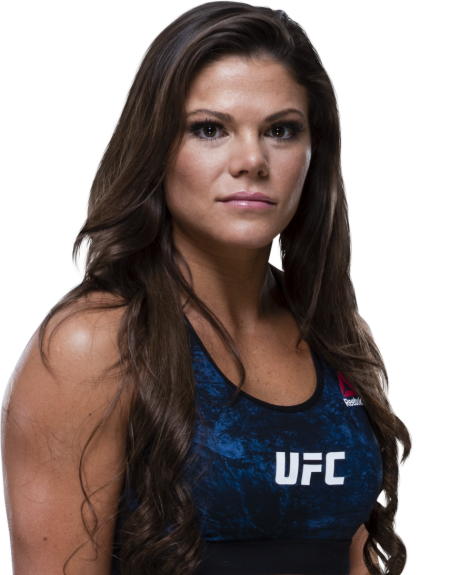 Lauren Mueller
« Princess Tiger »
Lauren Mueller
« Princess Tiger »
 Leslie Smith
« The Peacemaker »
Leslie Smith
« The Peacemaker »
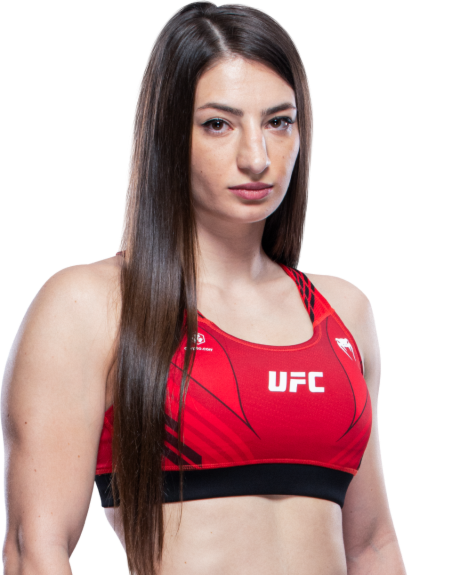 Liana Jojua
« She Wolf »
Liana Jojua
« She Wolf »
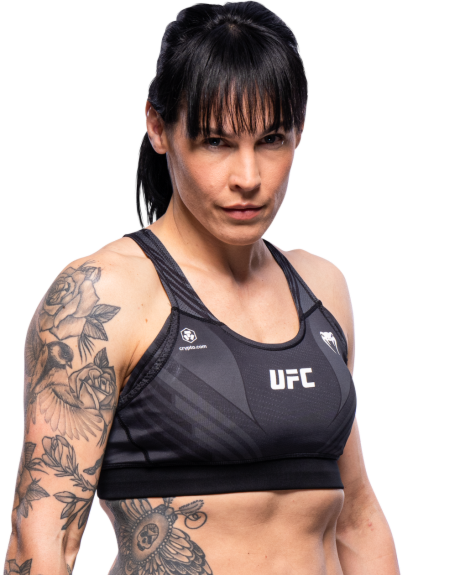 Lina Lansberg
« Elbow Queen »
Lina Lansberg
« Elbow Queen »
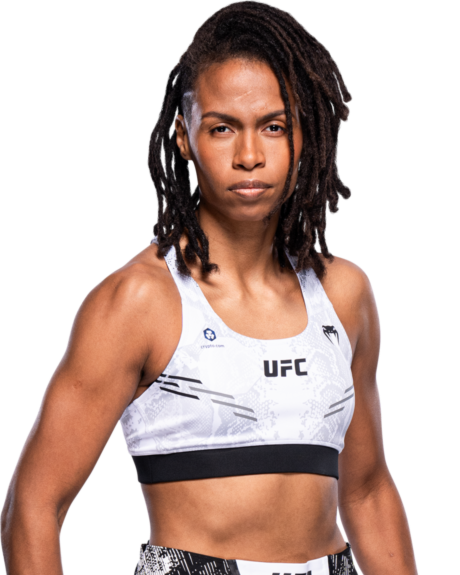 Luana Carolina
« Dread »
Luana Carolina
« Dread »
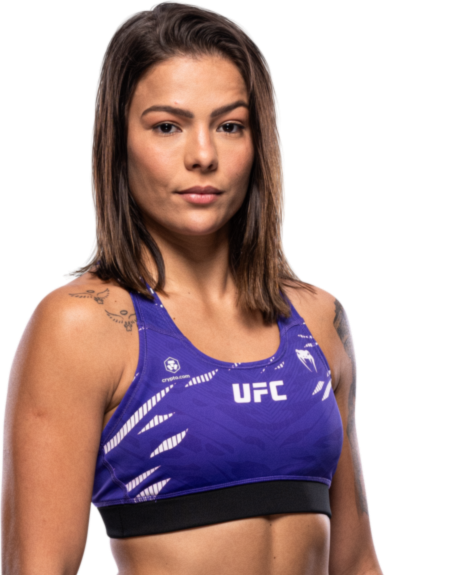 Luana Santos
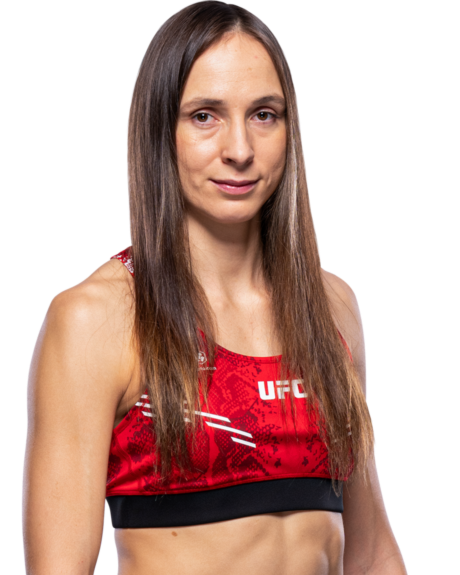 Lucie Pudilova
« Bullet »
Lucie Pudilova
« Bullet »
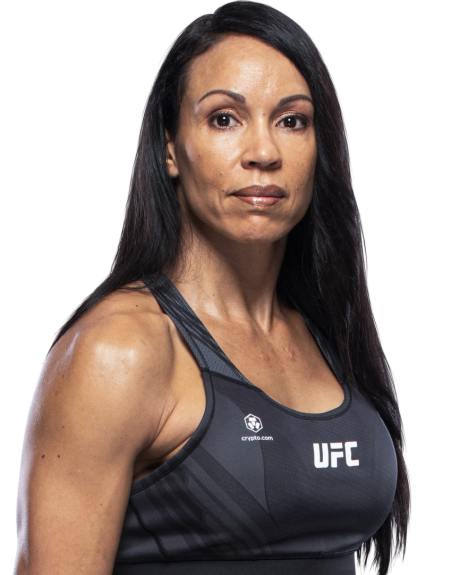 Marion Reneau
« The Belizean Bruiser »
Marion Reneau
« The Belizean Bruiser »
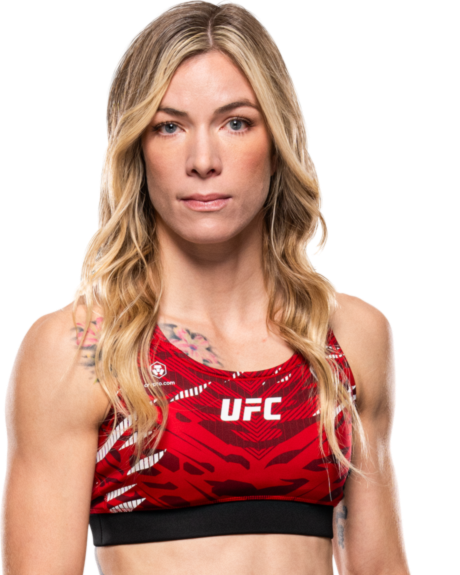 Melissa Croden
« Scare »
Melissa Croden
« Scare »
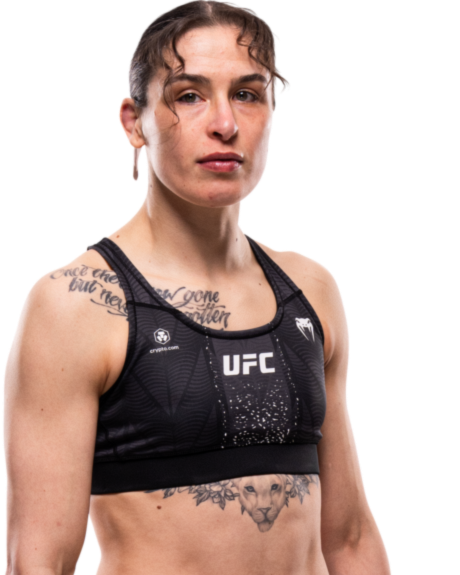 Melissa Mullins
« No Mess »
Melissa Mullins
« No Mess »
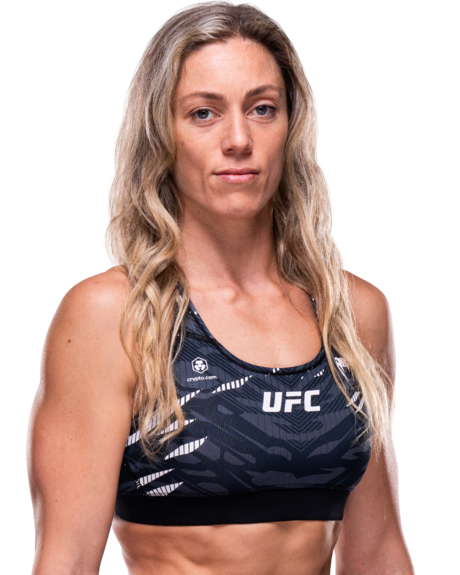 Michelle Montague
« The Wild One »
Michelle Montague
« The Wild One »
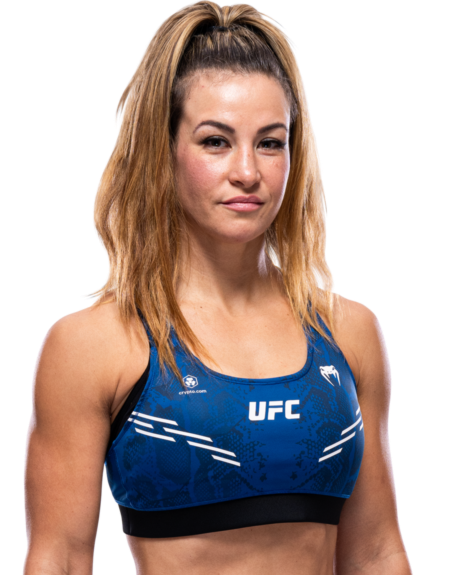 Miesha Tate
« Cupcake »
Miesha Tate
« Cupcake »
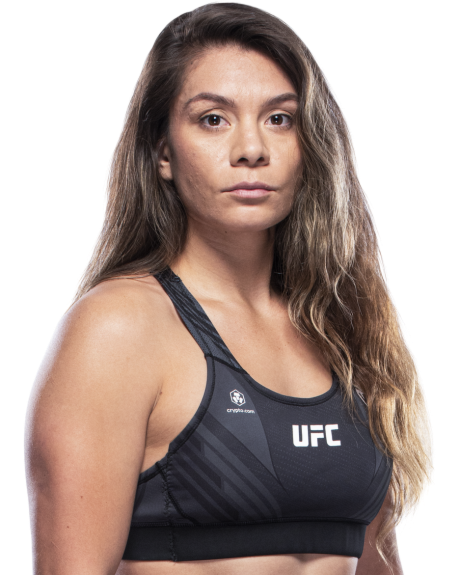 Nicco Montano
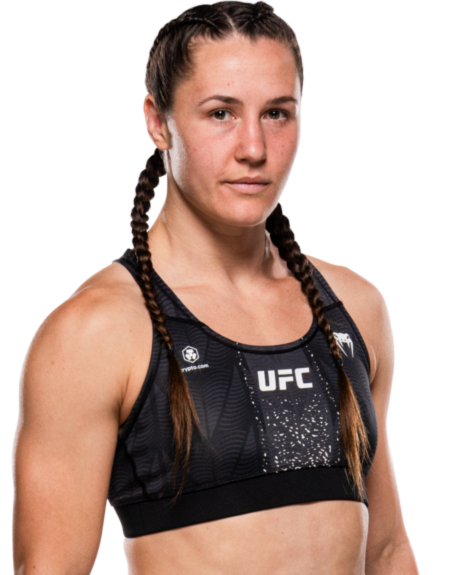 Nina Milosevic
« Queen Beast »
Nina Milosevic
« Queen Beast »
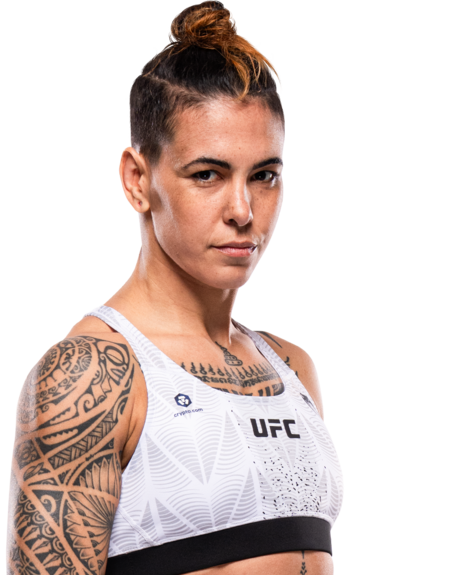 Nora Cornolle
« Wonder »
Nora Cornolle
« Wonder »
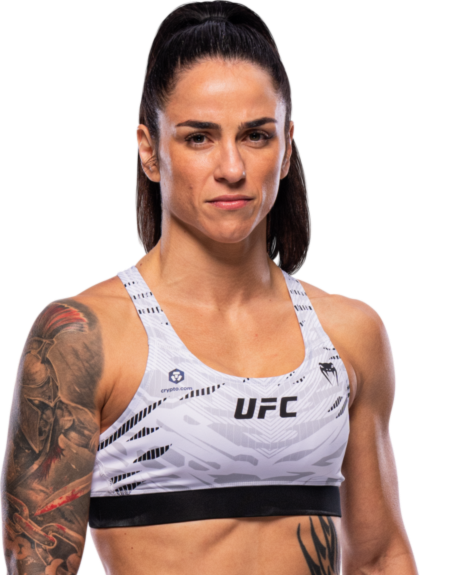 Norma Dumont
« The Immortal »
Norma Dumont
« The Immortal »
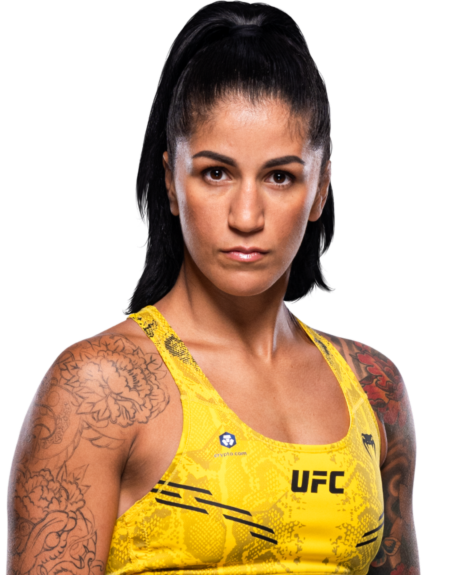 Pannie Kianzad
« BANZAI »
Pannie Kianzad
« BANZAI »
 Pearl Gonzalez
« The Chi-Town Princess »
Pearl Gonzalez
« The Chi-Town Princess »
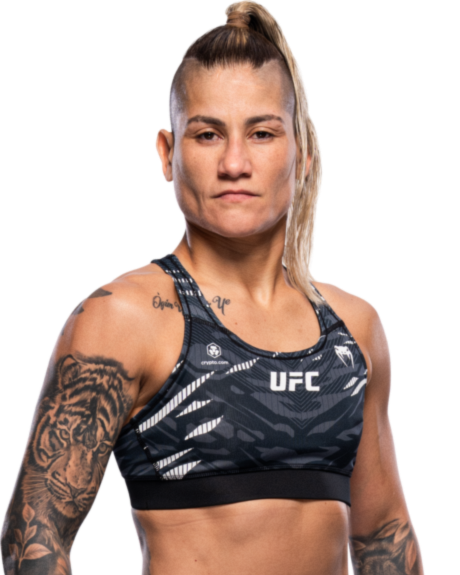 Priscila Cachoeira
« Zombie Girl »
Priscila Cachoeira
« Zombie Girl »
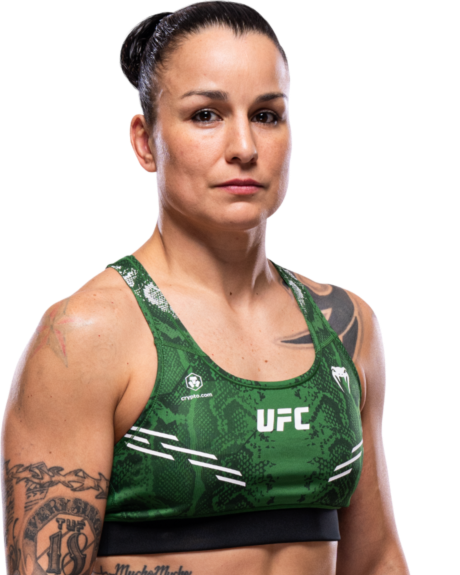 Raquel Pennington
« Rocky »
Raquel Pennington
« Rocky »
 Rosi Sexton
« The Surgeon »
Rosi Sexton
« The Surgeon »
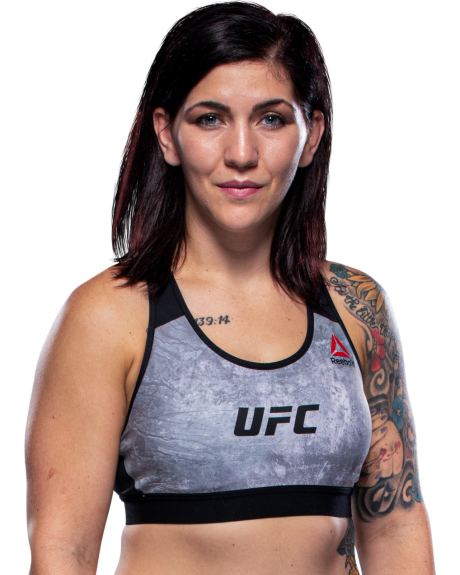 Sarah Alpar
« Too Sweet »
Sarah Alpar
« Too Sweet »
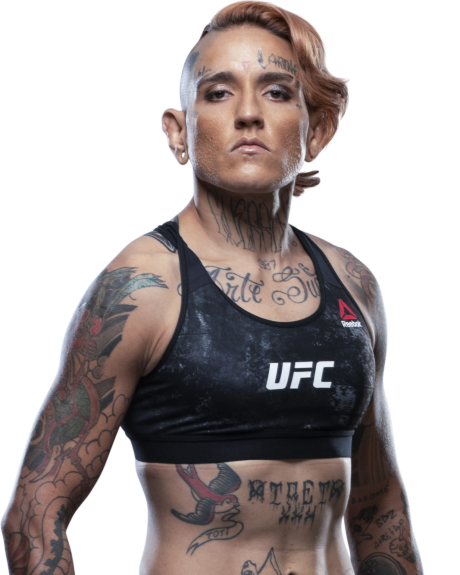 Sarah Frota
« A Treta »
Sarah Frota
« A Treta »
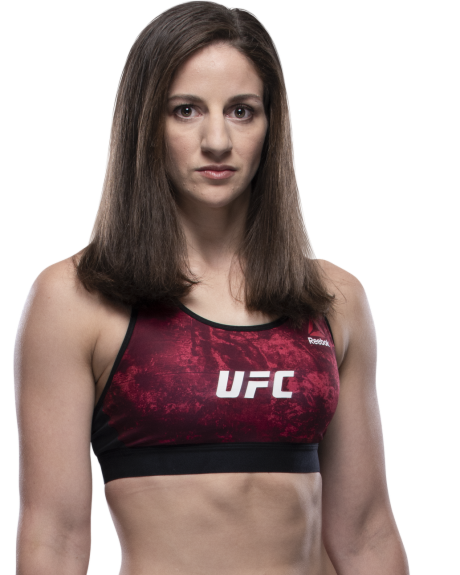 Sarah Moras
« Cheesecake »
Sarah Moras
« Cheesecake »
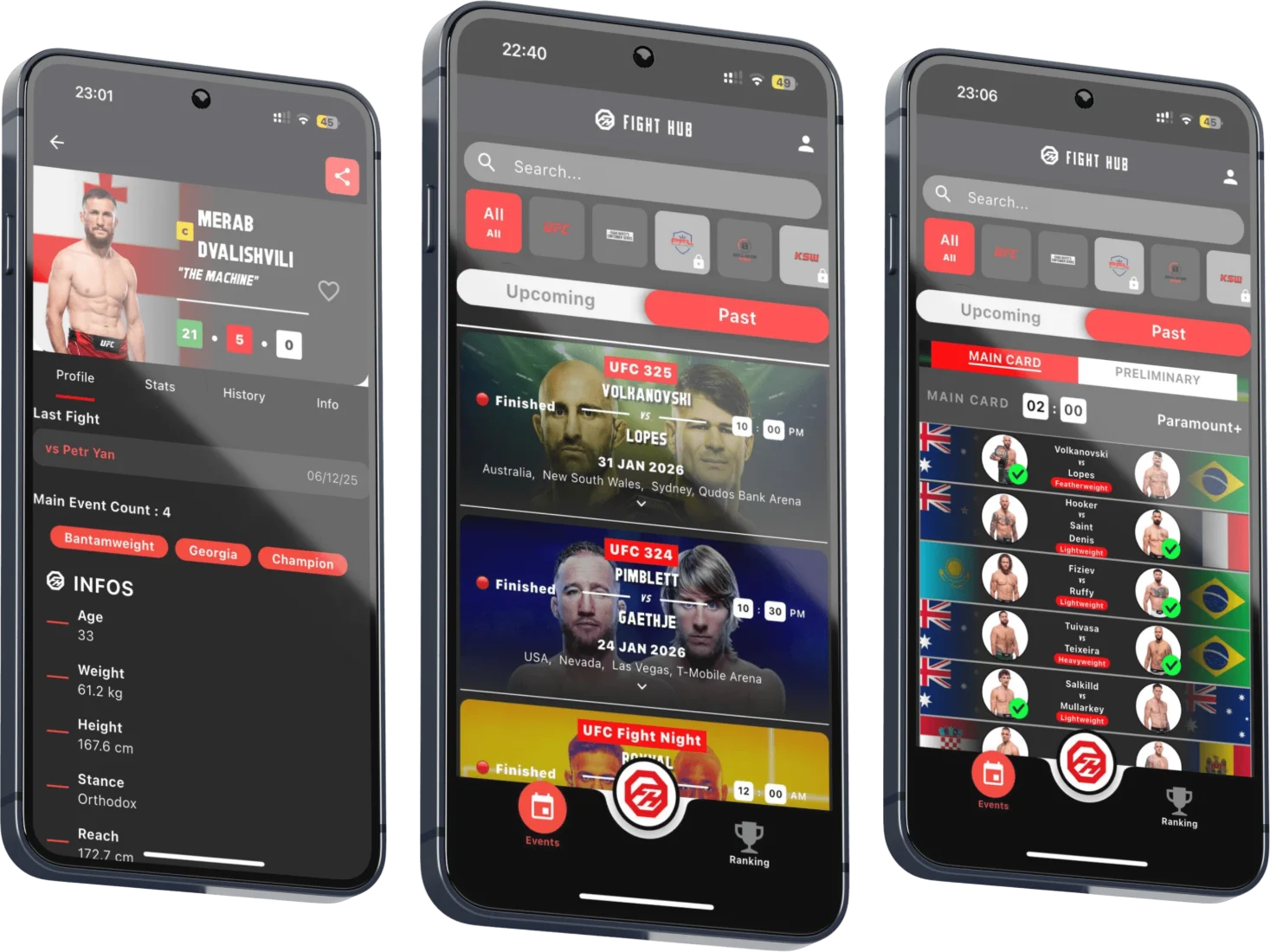
Full fight history, live rankings, upcoming cards and head-to-head comparisons. Free on iOS and Android.