

Country
Russian fighters arrive in mixed martial arts through a grappling tradition that was built, unusually, with strikes already in mind. Where most countries had to graft one discipline onto another, the Russian feeder sport had done part of that work in advance.
Sambo is a jacketed grappling art with a competitive form — combat sambo — that allows strikes. A fighter coming from it has spent years solving the problem of grappling against someone who can punch, which is the central problem of mixed martial arts and the one that pure grapplers usually meet late and painfully.
The jacket matters too. Gripping a heavy jacket teaches a particular kind of hand-fighting and off-balancing, and fighters raised on it tend to keep working for grips and angles in positions where others would disengage. Combined with freestyle wrestling, which is taught seriously across the country, it produces a grappler who is difficult to hold at a distance and difficult to stand up against.
The recognisable pattern is relentless forward pressure into the clinch, takedowns chained from failed attempts rather than abandoned, and top control that suffocates rather than hunts. Striking is often built as a means of entry — punches thrown to close distance rather than to end the fight — though that generalisation breaks down as often as it holds, and the roster below will show why.
The North Caucasus, and Dagestan in particular, has produced a disproportionate share of these fighters, with wrestling clubs that start children young and coaching lineages that pass from one generation to the next. Elsewhere the sambo tradition dominates, and the two feeders produce recognisably different fighters even when they end up in the same weight class.
Because so many Russian fighters come through club systems rather than individual coaching, the team on a profile is unusually informative. A club built around freestyle wrestling turns out fighters who look for the takedown first and treat striking as the price of entry; a combat sambo room produces fighters more willing to trade, because they were scored on strikes from the beginning.
The pages below list every Russian fighter in the catalogue, with their weight class, their gym and how each of their last five fights ended.
How this roster is spread across the weight classes. Follow a division to see its fighters from every country and every promotion.
The gyms that train more than one fighter on this page. Each one has its own hub, with the full roster it has produced.
The cities that keep turning out fighters. No links here on purpose — a page per city would be a dead end. It is context, not navigation.
51–84 of 84 fighters
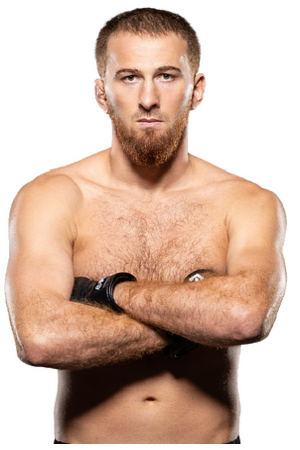 Mukhamed Berkhamov
« CHERKES »
Mukhamed Berkhamov
« CHERKES »
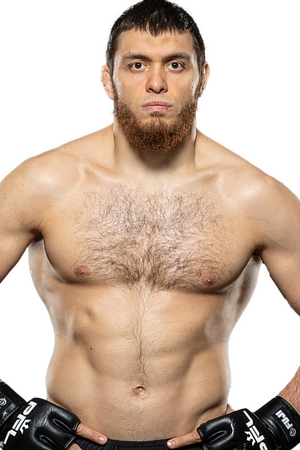 Murad Ramazanov
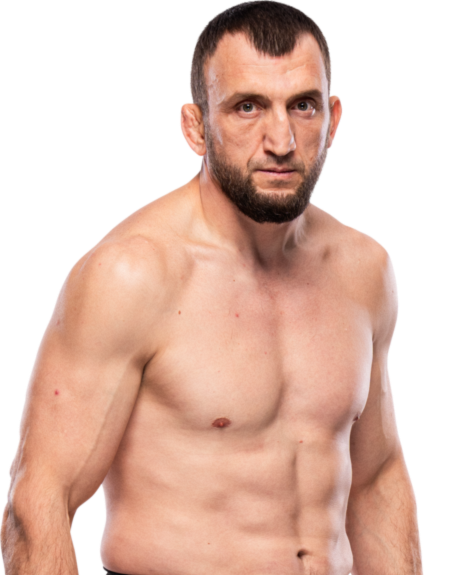 Muslim Salikhov
« King of Kung Fu »
Muslim Salikhov
« King of Kung Fu »
 Nassourdine Imavov
« The Sniper »
Nassourdine Imavov
« The Sniper »
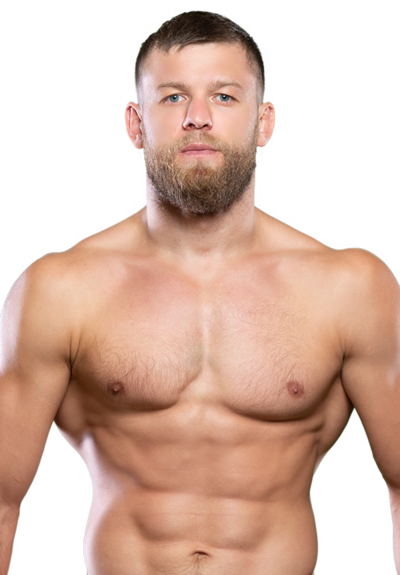 Nikolai Aleksakhin
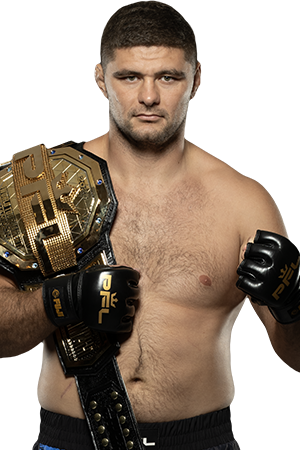 Oleg Popov
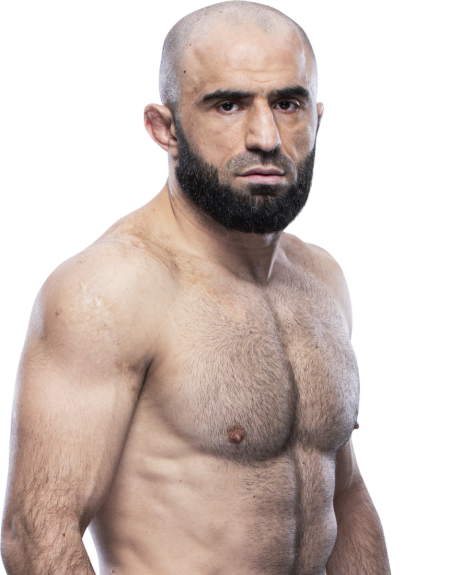 Omari Akhmedov
« Wolverine »
Omari Akhmedov
« Wolverine »
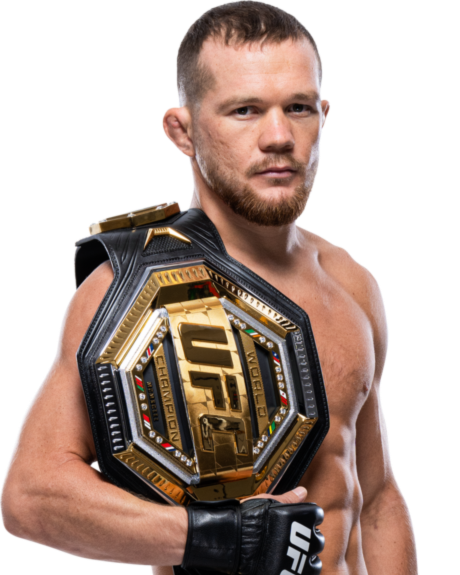 Petr Yan
« No Mercy »
Petr Yan
« No Mercy »
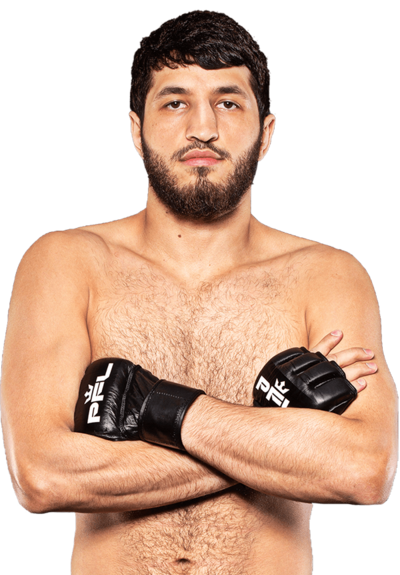 Rashid Yusupov
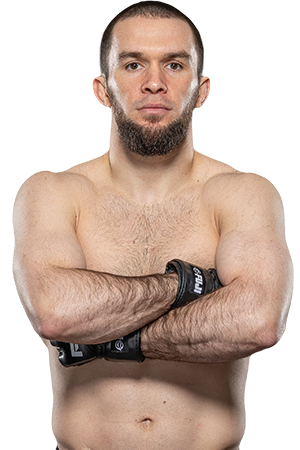 Renat Khavalov
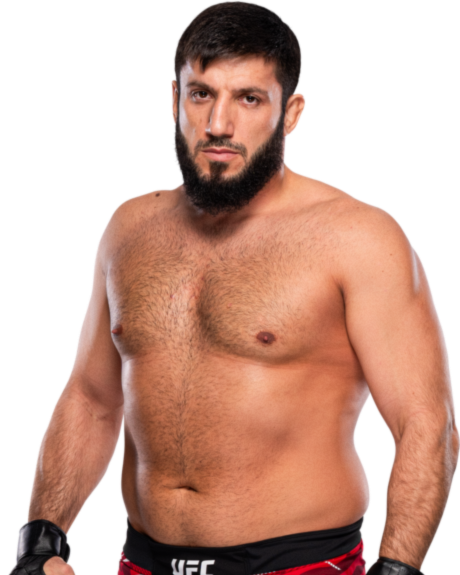 Rizvan Kuniev
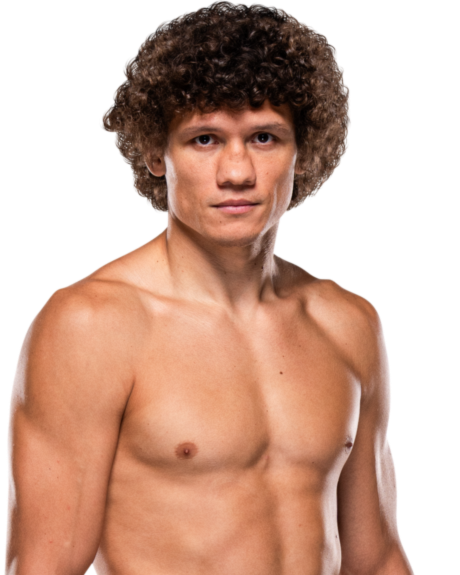 Roman Kopylov
 Ruslan Magomedov
« Leopard »
Ruslan Magomedov
« Leopard »
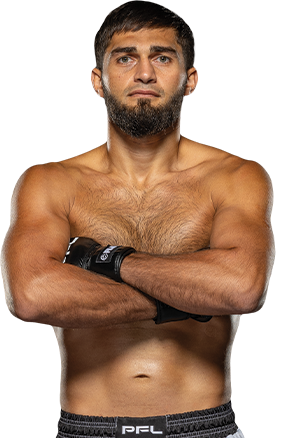 Rustam Serbiev
« Belgian Warrior »
Rustam Serbiev
« Belgian Warrior »
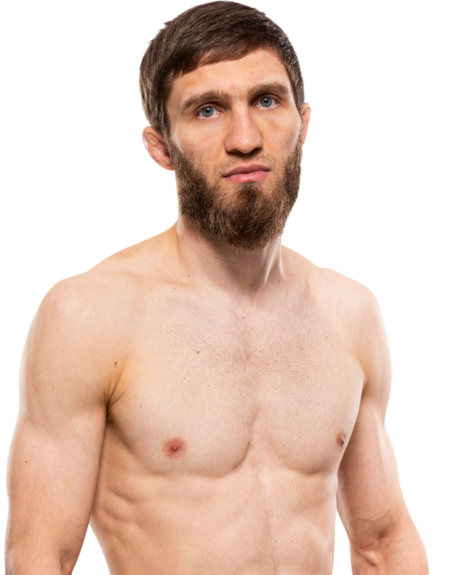 Said Nurmagomedov
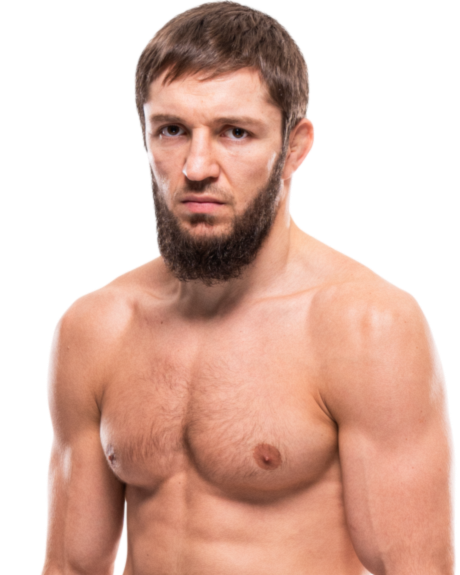 Saygid Izagakhmaev
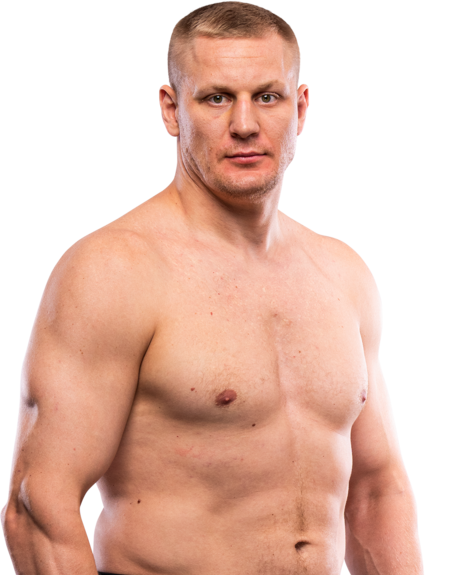 Sergei Pavlovich
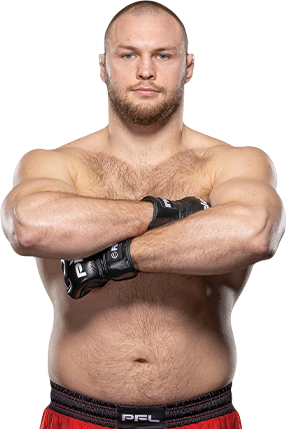 Sergey Bilostenniy
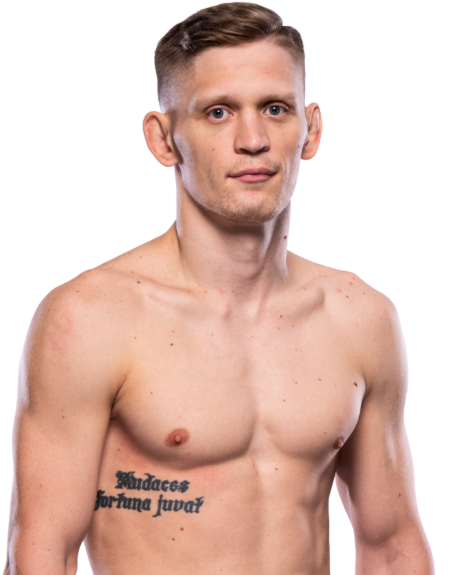 Sergey Khandozhko
« Honda »
Sergey Khandozhko
« Honda »
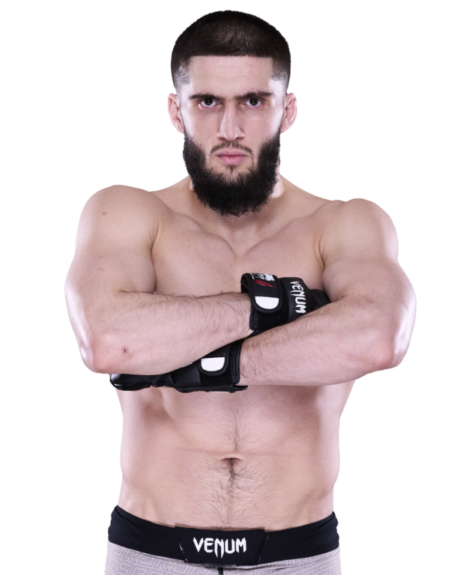 Shakhbulat Abuev
« Fearless »
Shakhbulat Abuev
« Fearless »
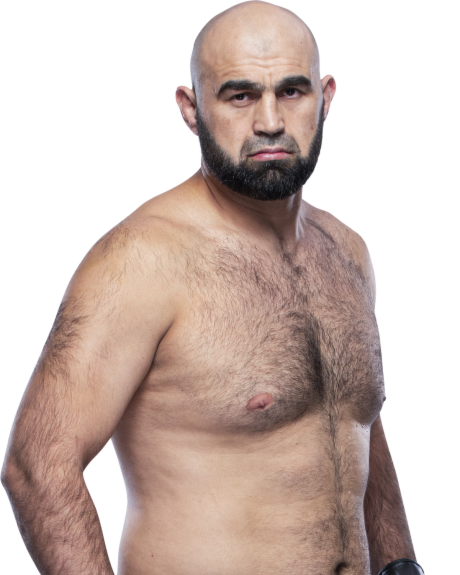 Shamil Abdurakhimov
« Abrek »
Shamil Abdurakhimov
« Abrek »
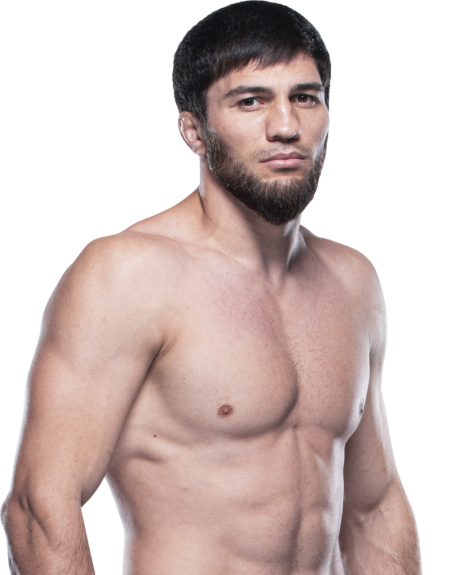 Shamil Gamzatov
« Umar »
Shamil Gamzatov
« Umar »
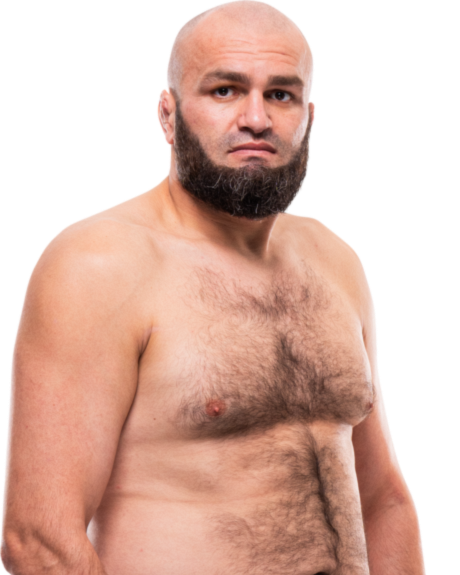 Shamil Gaziev
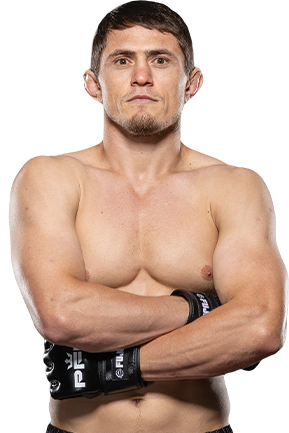 Shamil Musaev
« THE SILENT ASSASSIN »
Shamil Musaev
« THE SILENT ASSASSIN »
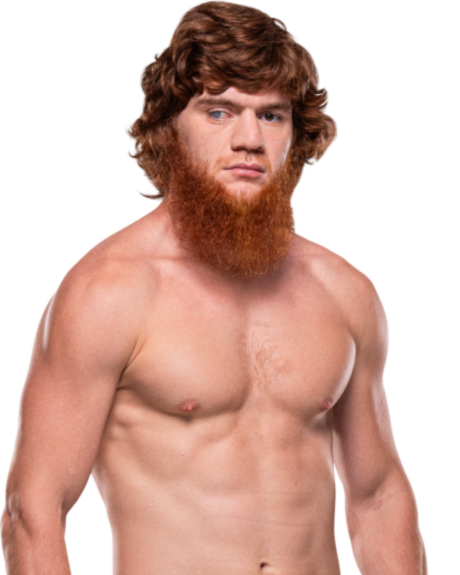 Shara Magomedov
« Bullet »
Shara Magomedov
« Bullet »
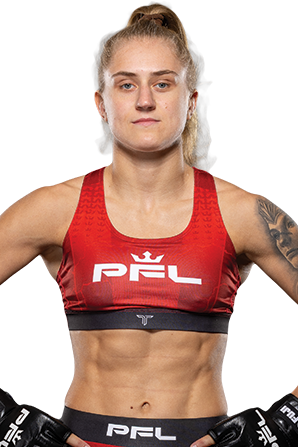 Tatiana Postarnakova
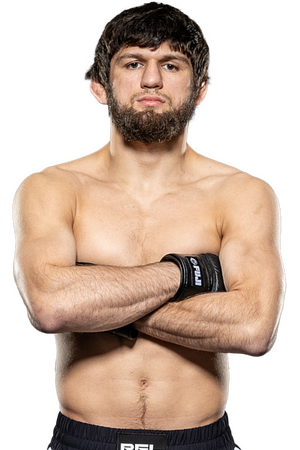 Timur Khizriev
« IMAM »
Timur Khizriev
« IMAM »
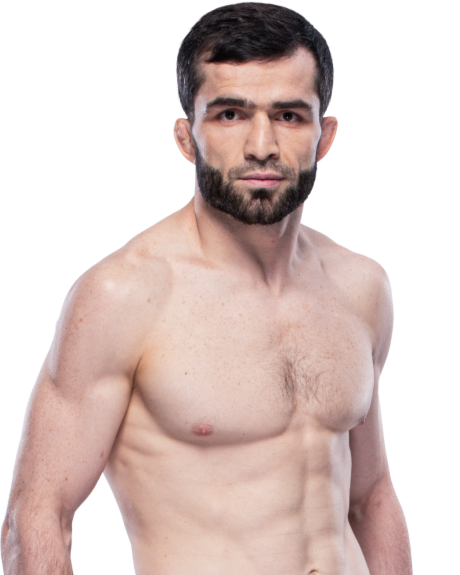 Timur Valiev
« Lucky »
Timur Valiev
« Lucky »
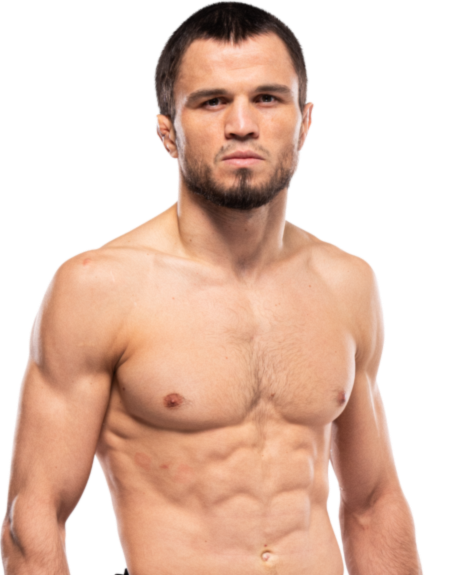 Umar Nurmagomedov
 Usman Nurmagomedov
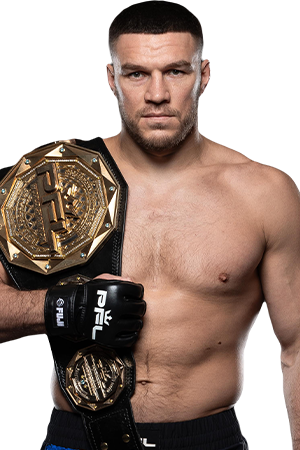 Vadim Nemkov
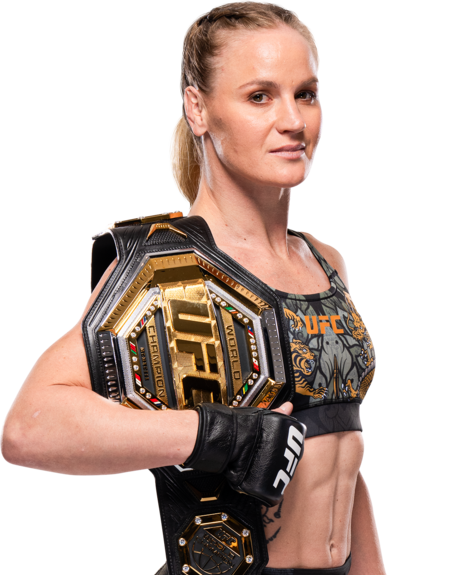 Valentina Shevchenko
« Bullet »
Valentina Shevchenko
« Bullet »
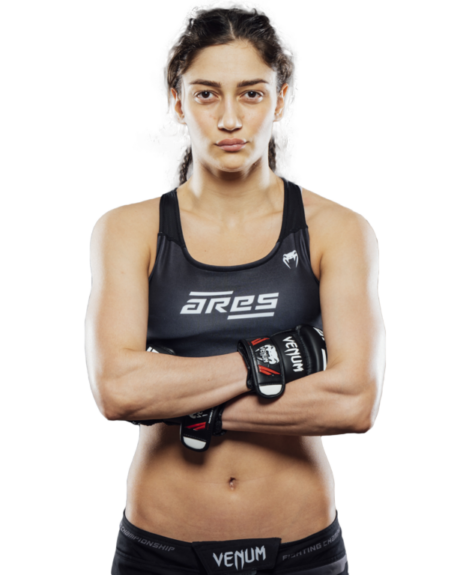 Zaira Dyshekova
« Golden Girl »
Zaira Dyshekova
« Golden Girl »
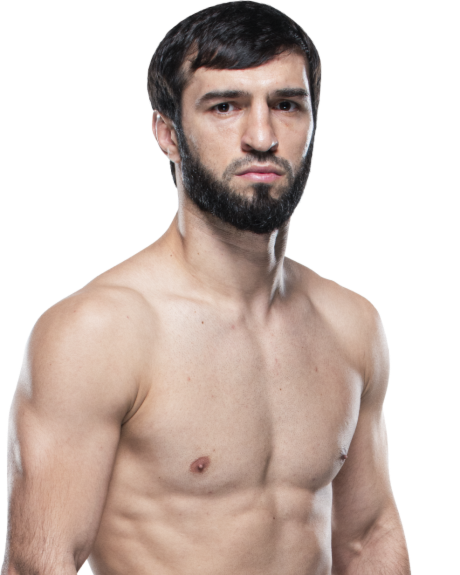 Zubaira Tukhugov
« Warrior »
Zubaira Tukhugov
« Warrior »
Full fight history, live rankings, upcoming cards and head-to-head comparisons. Free on iOS and Android.